Packer-type Nitrogen Generator and Traditional Nitrogen Generator Option Guide:
“The packer-type nitrogen generator integrates the core components onto a standardized base, producing gas in 30 minutes and saving 90% of installation time, making it flexible for temporary nitrogen demand. The traditional nitrogen generator, on the other hand, is suitable for long-term fixed scenarios and expansion needs. Select based on three dimensions: space, timeliness, and mobility.
In the industrial production field, nitrogen generators are widely used in many industries such as petrochemicals, food processing, and electronic manufacturing, with their supply efficiency and adaptability directly affecting production. Compared to the complex, large floor area, and cumbersome operation of traditional decentralized installations, the packer design concentrates the core components of the nitrogen generation system onto a standardized steel base, forming an independent system that not only significantly shortens the on-site construction period but also reduces the installation cost and meets the needs of mobile and temporary nitrogen gas usage.
Ⅰ. The principle of packer-type and traditional nitrogen generators is the same.
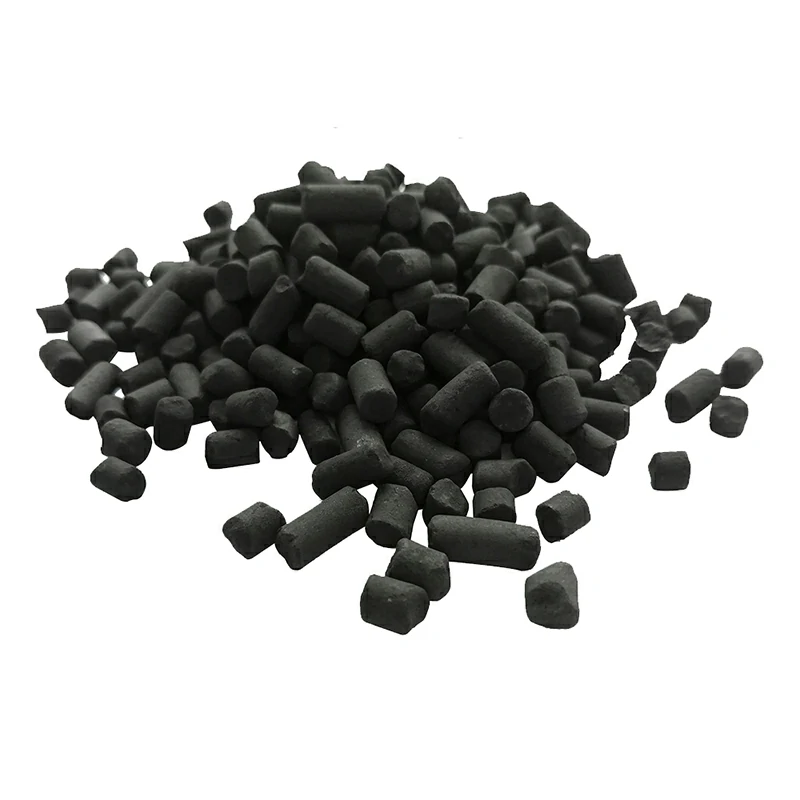
The nitrogen generator uses pressure swing adsorption (PSA) technology to separate oxygen and nitrogen based on the different adsorption characteristics of carbon molecular sieves under different pressures. The nitrogen and oxygen are separated through the alternating pressurization and depressurization of the adsorption towers.
Ⅱ. Differences between packer-type and traditional nitrogen generators
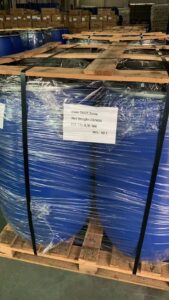
1. Equipment structure: The packer-type nitrogen generator adopts a modular design, integrating the air compressor, dryer, filter, and nitrogen generation main unit and other core components onto a packer (steel structure base), resulting in a compact structure; while the components of the traditional nitrogen generator are relatively independent and occupy a large area.
2. Installation method: The packer-type nitrogen generator is assembled and debugged before leaving the factory, and only the connection of power supply and gas pipelines is required for operation on-site, making the installation simple and able to save approximately 90% of installation time; the traditional nitrogen generator requires the installation and pipeline connection of each component on-site, with a complex installation process and long duration.
3. Startup time: The packer-type nitrogen generator starts quickly, typically taking 30-60 minutes (depending on the processing capacity of the equipment) to produce gas; the traditional nitrogen generator often requires a longer preheating time and cannot quickly meet the gas demand.
4. Maintenance: The maintenance of the packer-type nitrogen generator is relatively simple, and daily maintenance can be completed by internal staff of the enterprise; the traditional nitrogen generator system is complex, and maintenance requires professional engineers to operate, with long fault detection and repair times.
5. Gas purity: The purity of the packer-type nitrogen generator is stable and adjustable, ranging from 97% to 99.999%; the traditional dual-tower nitrogen generator performs stably in high-purity nitrogen output but lacks flexibility.
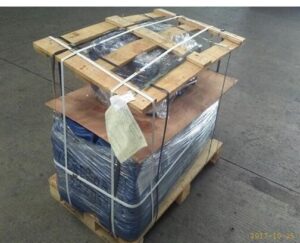
6. Mobility: The packer-type nitrogen generator (with some support points/rollers) can be lifted as a whole, reducing the secondary installation cost; the components of the traditional nitrogen generator are fixed separately, and relocation requires dismantling the pipelines, resulting in high costs, vulnerable parts, and basically being “fixed equipment”.
Traditional nitrogen generator
III. Selection suggestions: Based on “scenario requirements”
1. Select packer-type nitrogen generators to prioritize meeting the following requirements:
● Limited site space (such as a workshop with only a very small installation area);
● Urgent production time (projects require nitrogen gas supply within a short period);
● Mobility (such as oilfield drilling teams moving with the operation location);
● Reduced maintenance personnel (small factories without dedicated equipment engineers, requiring centralized monitoring management).
2. Select traditional nitrogen generators to prioritize meeting the following requirements:
● Long-term fixed gas usage scenarios (such as electronic factory production lines planning to have long-term stable service);
● Future expansion requirements (current meeting the basic gas supply scale, and subsequent expansion of the supply volume as production capacity increases);
● Large-scale capacity matching requirements (when the gas usage scale reaches a higher level, the split, transportation, and installation of the split structure have more advantages);
● On-site mature maintenance conditions (having a professional equipment maintenance team that can independently complete the maintenance of each scattered component).
In summary, the core advantages of the skid-mounted nitrogen generator are “portability and flexibility”, while the core advantages of traditional nitrogen generators are “expandability and suitability for various scenarios”. Neither has absolute superiority or inferiority. It is recommended to communicate with the manufacturer and consider the actual gas usage requirements, site conditions, and operation and maintenance capabilities when making a choice.