Optimize PSA Nitrogen Generator Adsorption Time | Carbon Molecular Sieve Efficiency Guide
Learn how to optimize adsorption time in PSA nitrogen generators using carbon molecular sieve. Improve nitrogen purity, increase output, and reduce energy costs with expert strategies.

How to Optimize Adsorption Time in PSA Nitrogen Generators Using Carbon Molecular Sieve (CMS)
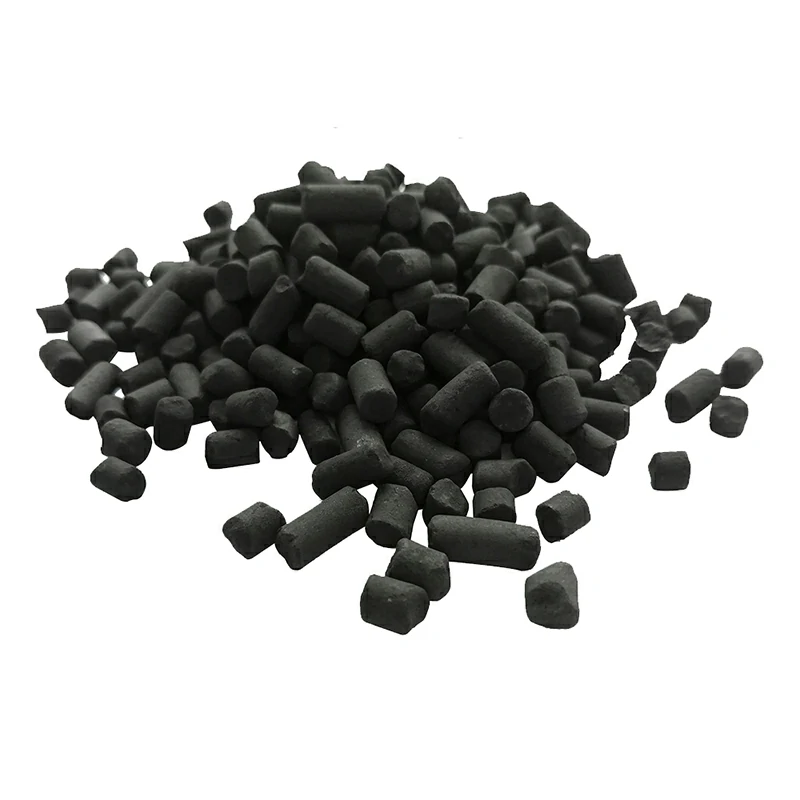
In PSA (Pressure Swing Adsorption) nitrogen generation systems, carbon molecular sieve (CMS) plays a critical role in separating nitrogen from compressed air. Among all operating parameters, adsorption time is one of the most important factors affecting nitrogen purity, production capacity, energy efficiency, and CMS lifespan.
As a professional CMS manufacturer, we often help global customers fine-tune their systems. In this guide, we’ll walk you through practical, data-driven strategies to optimize adsorption time for maximum performance and ROI.
1. Adjust Adsorption Time Based on Nitrogen Purity & Flow Requirements
The first rule of optimization: match adsorption time to your application needs.
✅ High Purity Applications (99.99% – 99.999%)
- Use shorter adsorption cycles
- Prevent oxygen (O₂) breakthrough into the nitrogen stream
- Typical adjustment:
- Reduce from 120s → 60–80s
- Ideal for:
- Electronics manufacturing
- Food packaging
- Pharmaceutical industries
✅ High Flow / Lower Purity Applications (95% – 99.5%)
- Use longer adsorption cycles
- Increase nitrogen output per cycle
- Monitor purity with an analyzer to avoid breakthrough
✅ Dynamic Demand Control
- Integrate PLC automation systems
- Adjust adsorption time in real-time based on:
- Flow demand fluctuations
- Purity signals
👉 Pro Tip: A responsive system improves both efficiency and customer satisfaction.
2. Balance Adsorption Pressure and Energy Consumption
Adsorption performance follows pressure-dependent behavior (similar to Langmuir isotherms).
Key Insights:
- Higher pressure = higher adsorption capacity
- But also = higher energy consumption
Optimization Strategy:
- Standard PSA operating pressure: 0.6 – 1.0 MPa
- Example:
- Increasing pressure from 0.6 → 0.8 MPa
- CMS capacity increases by 15–20%
- Adsorption time can be extended by 10–15%
Handling Pressure Fluctuations:
- If pressure drops by 0.1 MPa
- Reduce adsorption time by 5–8%
👉 This ensures consistent nitrogen purity even with unstable compressors.
3. Adapt to Carbon Molecular Sieve Condition
CMS performance changes over time — ignoring this leads to inefficiency.
New CMS (Initial Stage)
- High adsorption capacity
- Longer adsorption time possible (120–150s)
- Maximize production output
Aging CMS (After 2–3 Years)
- Capacity may decrease by ~20%
- Reduce adsorption time (e.g., 120s → 90s)
- Maintain nitrogen purity
Poor Bed Packing Issues:
- Channeling or voids cause early breakthrough
- Solution:
- Shorten adsorption time
- Inspect for:
- CMS powdering
- Bed collapse
Regular CMS quality checks are critical for stable operation.
4. Improve Desorption Efficiency to Enable Longer Adsorption
Incomplete desorption reduces the effectiveness of the next cycle.
Optimization Methods:
✔ Lower Desorption Pressure
- Vacuum desorption (e.g., -0.05 MPa) improves regeneration
- Enables 10–12% longer adsorption time
✔ Optimize Purge Gas Flow
- Use 5–10% nitrogen product gas for purging
- Increasing purge by 5% → adsorption time can increase by ~8%
Balance is key: more purge improves performance but reduces net output.
5. Control Temperature and Air Quality
Temperature Impact:
- CMS adsorption capacity decreases with heat
- Rule of thumb:
- +10°C → capacity drops ~5%
Recommendation:
- Maintain inlet air temperature: 20–25°C
- If above 35°C:
- Reduce adsorption time accordingly
Air Pretreatment Requirements:
Contaminants damage CMS and reduce lifespan.
Ensure:
- Oil content: < 0.01 mg/m³
- Pressure dew point: < -40°C
- Proper filtration (dust, water, oil)
Poor air quality = shorter adsorption cycles + higher replacement costs
6. Validate Optimization with Testing & Data
Step-by-Step Approach:
1. Single Variable Testing
- Fix pressure, temperature, desorption
- Adjust only adsorption time
- Measure:
- Nitrogen purity
- Flow rate
- Energy consumption
2. Multi-Variable Optimization
- Use modeling tools (e.g., Response Surface Methodology)
- Identify best parameter combinations
3. Continuous Monitoring
- Use online sensors:
- Oxygen analyzer
- Pressure & temperature sensors
- Adjust every 3–6 months to adapt to CMS aging
Conclusion: Data-Driven Optimization is the Key
Optimizing adsorption time in PSA nitrogen generators is not about simply making cycles longer or shorter—it’s about finding the perfect balance between:
- Nitrogen purity
- Production capacity
- Energy efficiency
- Carbon molecular sieve lifespan
With the right CMS quality and intelligent control strategy, you can significantly reduce operating costs and improve system stability.
Looking for High-Performance Carbon Molecular Sieve?
As a trusted carbon molecular sieve manufacturer, we provide:
- High adsorption capacity CMS
- Long service life & low dust formation
- Custom solutions for PSA nitrogen systems
Contact us today to optimize your nitrogen generation system and boost efficiency.