Carbon Molecular Sieve High Temperature Stability | PSA Nitrogen Generator Performance Guide
How stable is carbon molecular sieve under high temperature? Learn how heat affects PSA nitrogen generator efficiency, lifespan, and oxygen adsorption performance.
Carbon Molecular Sieve Stability at High Temperature: What Buyers Must Know
In PSA nitrogen generation systems, carbon molecular sieve (CMS) is the core material that determines nitrogen purity, production efficiency, and long-term operating cost.
However, one critical factor is often underestimated in real-world applications:
temperature—especially high temperature conditions.
As a professional manufacturer of carbon molecular sieves, we frequently receive questions from overseas buyers:
- Will high temperature damage CMS?
- Can it still operate efficiently in hot climates?
- How does temperature affect nitrogen purity and output?
This article provides a clear, engineering-based explanation to help you make the right purchasing and operational decisions.
1. How Carbon Molecular Sieve Works in PSA Systems
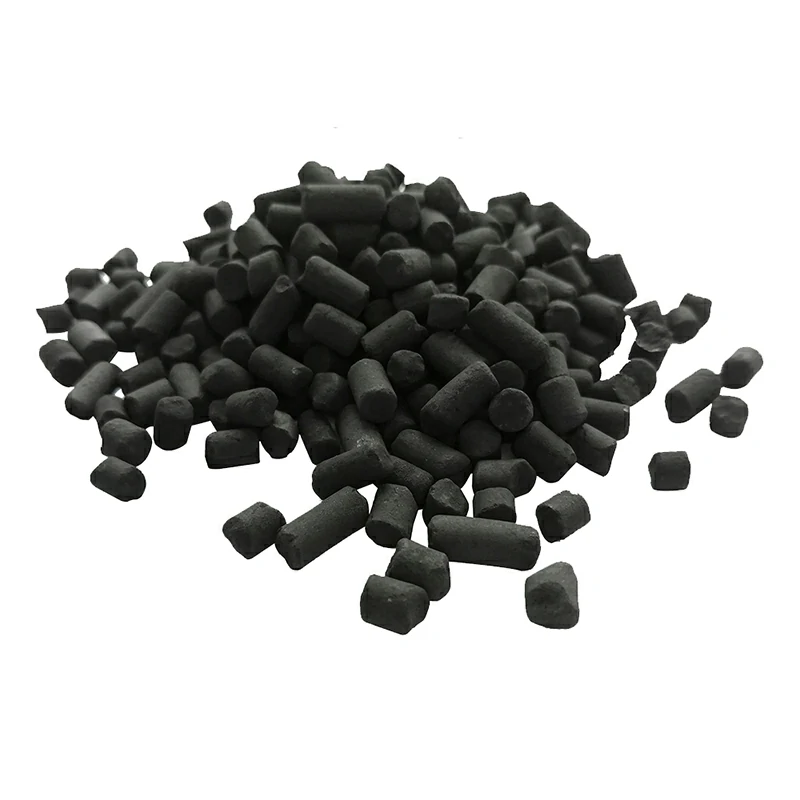
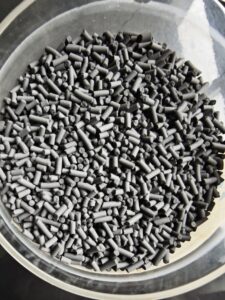
Carbon molecular sieve is a microporous carbon material with precise pore sizes (0.3–0.5 nm).
This structure allows it to separate air components based on molecular size:
- Oxygen (O₂): smaller → diffuses faster → adsorbed
- Nitrogen (N₂): larger → passes through → collected as product gas
This selective adsorption process is the foundation of PSA (Pressure Swing Adsorption) nitrogen generation.
The key requirement:
The pore structure must remain stable and intact.
2. What Happens to CMS at High Temperature?
High temperature affects carbon molecular sieve in two major ways:
2.1 Reversible Impact: Reduced Adsorption Capacity
Adsorption is an exothermic process, meaning:
When temperature rises, adsorption efficiency drops.
Typical performance decline:
- At 25°C → 50°C
➜ Oxygen adsorption capacity decreases by 15–20% - At ~70°C
➜ Capacity may drop by 30% or more
Practical consequences:
- Lower nitrogen purity (e.g. 99.99% → below 99.5%)
- Reduced nitrogen output
- Higher energy consumption
The good news:
This effect is partially reversible when temperature returns to normal.
2.2 Irreversible Damage: Structural Degradation
Under high temperature—especially with oxygen or moisture present—CMS can undergo chemical reactions:
Oxidation reactions:
- C + O₂ → CO / CO₂ (accelerates above ~120°C)
- C + H₂O → CO + H₂ (steam corrosion at high temperature)
Result:
- Micro-pore collapse
- Pore size distortion
- Permanent loss of selectivity
At temperatures above 150–200°C, even in low-oxygen environments:
Thermal stress alone can destroy the pore structure
This damage is permanent and non-recoverable.
3. Key Factors Affecting High Temperature Stability
Not all high-temperature exposure leads to failure. Stability depends on:
1. Exposure Duration
- Short-term (< a few hours, ≤60°C): generally recoverable
- Long-term (>60°C): accelerates aging
- Sudden extreme heat (>150°C): permanent damage
2. Gas Environment
- Dry, oxygen-free: higher tolerance
- Humid or oxygen-rich: rapid degradation
3. Air Quality
Contaminants worsen high-temperature effects:
- Oil vapor → blocks pores
- Dust → increases thermal stress points
- Moisture → accelerates oxidation
4. Recommended Operating Temperature for CMS
For optimal performance and lifespan, we recommend:
Inlet Air Temperature
- Ideal: ≤30°C (86°F)
- Use: air dryers + aftercoolers
Ambient Temperature
- Recommended: ≤40°C (104°F)
- Ensure proper ventilation
Bed Temperature Monitoring
- Warning level: >50°C
- Action: immediate inspection
5. Why Temperature Control Matters for Buyers
If you’re sourcing carbon molecular sieve for:
- PSA nitrogen generators
- Industrial gas separation systems
- On-site nitrogen production
Temperature control directly impacts:
- Nitrogen purity stability
- CMS service life (typically 3–5 years vs premature failure)
- Replacement frequency and cost
- System reliability
6. Manufacturer Insight: How to Extend CMS Lifespan
From our production and field experience, the following practices are critical:
✔ Install efficient air cooling systems
✔ Use high-quality air pretreatment (dryer + filters)
✔ Avoid compressor overheating issues
✔ Monitor temperature and pressure continuously
✔ Choose high-strength CMS with uniform pore distribution
Conclusion
Carbon molecular sieve is not inherently high-temperature resistant.
- Moderate heat → reduces performance (reversible)
- High heat → destroys structure (irreversible)
Proper temperature control is essential, not optional.
Looking for High-Performance Carbon Molecular Sieve?
As a trusted manufacturer, we supply:
- High adsorption CMS for PSA nitrogen systems
- Stable pore structure and long service life
- Custom grades for different purity requirements
Contact us today to get technical support or request samples tailored to your operating conditions.