How to Control the Regeneration Temperature of Carbon Molecular Sieve in Nitrogen Generators?
Technical Guide to Carbon Molecular Sieve Regeneration in PSA Nitrogen Systems
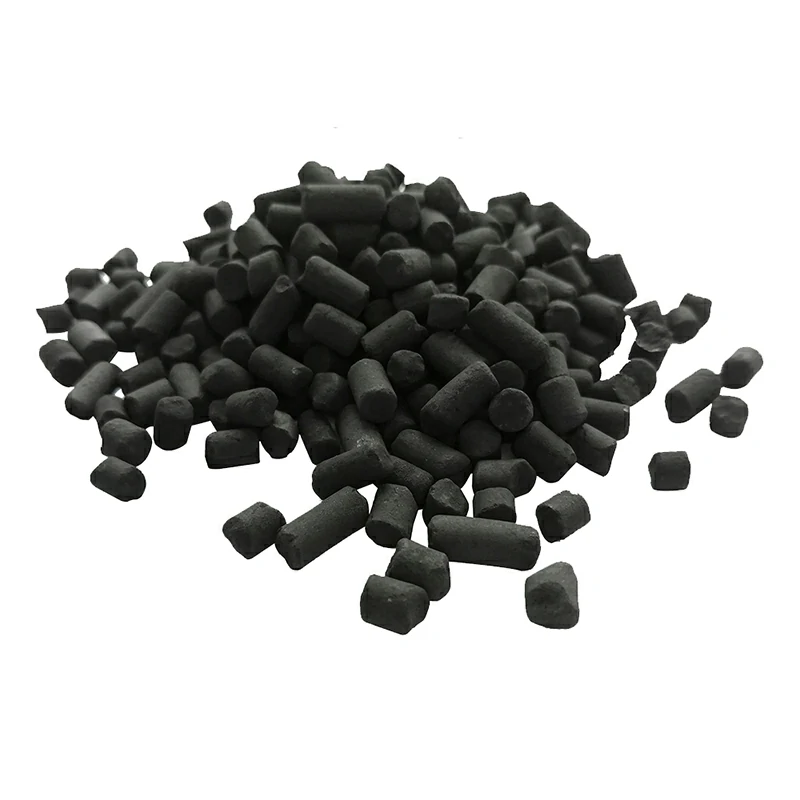
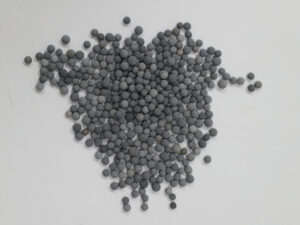
Nitrogen generators are essential industrial systems for producing high-purity nitrogen on-site. Most systems operate using Pressure Swing Adsorption (PSA) technology, where Carbon Molecular Sieve (CMS) selectively adsorbs oxygen while allowing nitrogen to pass through.
However, CMS does not maintain its adsorption performance indefinitely. It must be properly regenerated to restore its oxygen adsorption capacity. Among all operational parameters, regeneration temperature control plays a critical role in determining:
-
Nitrogen purity
-
System stability
-
Energy consumption
-
Carbon molecular sieve lifespan
This article explains the principles, influencing factors, control methods, and best practices for managing CMS regeneration temperature in PSA nitrogen generators.
1. Core Principle of Carbon Molecular Sieve Regeneration
The adsorption capacity of carbon molecular sieve is influenced by pressure and temperature.
-
Under high pressure (0.6–1.0 MPa), CMS strongly adsorbs oxygen.
-
Under low pressure (0.02–0.05 MPa) or vacuum conditions, oxygen adsorption capacity drops significantly.
-
Increasing temperature further accelerates oxygen desorption.
Why Temperature Matters
When temperature rises:
-
Molecular kinetic energy increases
-
Adsorbed oxygen molecules overcome van der Waals forces
-
Oxygen desorbs from CMS micropores
However, carbon molecular sieve has limited thermal stability. Excessive temperature can cause:
-
Micropore collapse
-
Reduced surface area
-
Permanent adsorption capacity loss
Therefore, regeneration temperature must be precisely controlled.
2. Key Factors Affecting Regeneration Temperature
2.1 Carbon Molecular Sieve Type
Different CMS grades have different heat resistance levels:
-
Standard CMS: Maximum regeneration temperature ≈ 150°C
-
High-temperature-resistant CMS: 160–180°C
Always follow the manufacturer’s technical specifications.
For high-humidity applications, slightly higher regeneration temperatures may be required to ensure complete moisture removal.
2.2 Feed Air Quality
Impurities significantly affect regeneration requirements:
| Feed Air Condition | Recommended Regeneration Temperature |
|---|---|
| Normal dry air | 100–120°C |
| High humidity (>80% RH) | 120–130°C |
| Light oil contamination | Around 140°C |
Moisture, oil, and organic contaminants increase desorption difficulty and may cause CMS poisoning if not properly removed.
2.3 Regeneration Pressure
Regeneration pressure and temperature are inversely related:
-
Lower pressure (vacuum regeneration) → Lower temperature required
-
Higher pressure (>0.05 MPa) → Higher temperature required
Maintaining optimal low regeneration pressure reduces thermal stress and energy consumption.
2.4 Regeneration Cycle Time
Temperature and regeneration duration are interdependent:
-
120°C for 3 minutes
-
100°C for 5 minutes
Both may achieve similar regeneration effects, but higher temperature increases energy consumption.
Balancing cycle time and temperature improves efficiency and lowers operating costs.
3. Methods for Controlling Regeneration Temperature
3.1 Heating Medium and Heating Method
Most PSA nitrogen generators use product nitrogen gas as the regeneration gas to prevent contamination.
Common heating systems include:
-
Electric heaters
-
Steam heaters
Temperature control accuracy should be maintained within ±5°C.
3.2 Temperature Monitoring and Feedback
Install temperature sensors (thermocouples) at:
-
Regeneration tower inlet
-
Regeneration tower outlet
Inlet temperature controls heater power.
Outlet temperature indicates regeneration progress.
Example:
-
Inlet setpoint: 120°C
-
Outlet temperature should reach ≥115°C before regeneration is considered complete.
3.3 Automatic Control System (PID Control)
Using a PID (Proportional–Integral–Derivative) controller allows:
-
Precise temperature regulation
-
Pressure-temperature coordinated control
-
Automatic heater adjustment
When regeneration pressure increases, the system compensates by increasing temperature to maintain desorption efficiency.
3.4 Stepwise Heating Strategy
For complex feed air conditions, a staged heating process is recommended:
-
80–100°C → Remove oxygen
-
120–140°C → Remove moisture and contaminants
-
Cool down to ambient temperature
This method reduces thermal damage and extends CMS lifespan.
4. Risks of Improper Temperature Control
Overheating (>160°C)
-
Irreversible micropore damage
-
Adsorption capacity reduction (>30%)
-
CMS lifespan reduced by up to 50%
Insufficient Temperature (<80°C)
-
Incomplete oxygen desorption
-
Nitrogen purity drop (e.g., 99.99% → 99.5%)
-
Production reduction (10–20%)
Frequent Temperature Fluctuation
-
Thermal expansion and contraction
-
CMS particle pulverization
-
Airflow channel blockage
Stable temperature control is essential for long-term performance.
5. Best Practices for Stable CMS Regeneration
5.1 Improve Feed Air Pretreatment
Install:
-
High-efficiency filters
-
Refrigerated air dryers
Maintain inlet air dew point below -40°C to reduce regeneration load.
5.2 Regular Performance Monitoring
Monthly checks should include:
-
Nitrogen purity
-
Bed temperature distribution
-
Pressure stability
If nitrogen purity decreases, verify regeneration temperature settings immediately.
5.3 Avoid Exceeding Maximum Temperature
Even short-term overheating accelerates CMS aging. Never exceed the recommended upper limit specified by the manufacturer.
5.4 Maintain Stable Operating Conditions
Avoid frequent adjustments to:
-
Regeneration temperature
-
Pressure settings
-
Cycle timing
Consistency prolongs CMS service life and ensures stable nitrogen output.
Conclusion
Regeneration temperature control is one of the most critical factors in PSA nitrogen generator performance. Proper temperature management:
-
Ensures efficient oxygen desorption
-
Maintains high nitrogen purity
-
Reduces energy consumption
-
Extends carbon molecular sieve lifespan
By integrating precise temperature monitoring, PID automation, optimized feed air pretreatment, and staged heating strategies, industrial operators can achieve long-term stable nitrogen production with reduced operating costs.
For industrial nitrogen generation systems, precise CMS regeneration temperature control is not just a technical detail—it is the foundation of reliability, efficiency, and profitability.