How to Prevent Carbon Molecular Sieve Crushing in PSA Nitrogen Generators
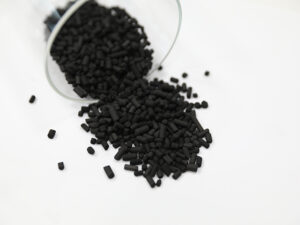
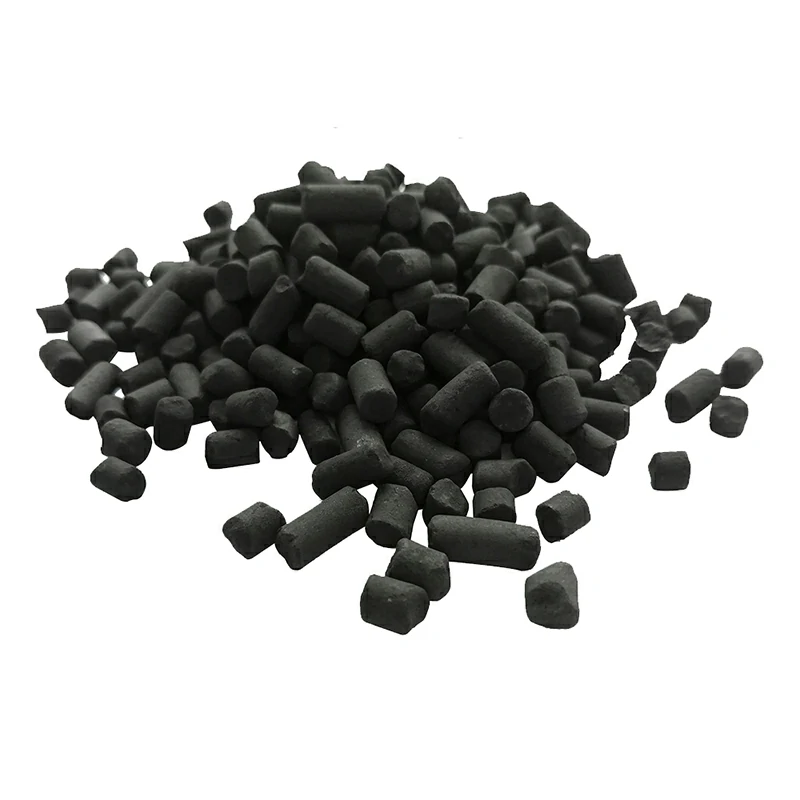
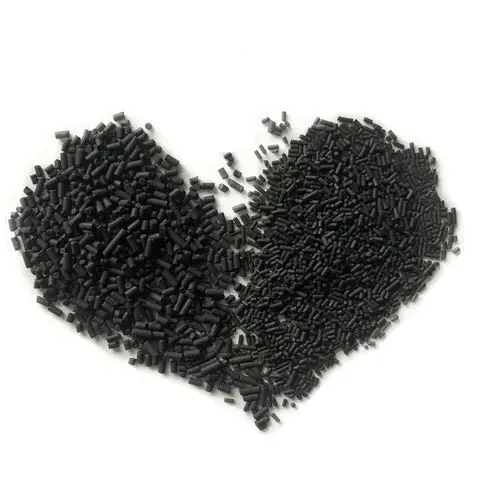
Carbon Molecular Sieve (CMS) is the core adsorbent used in a PSA nitrogen generator (Pressure Swing Adsorption system). It selectively adsorbs oxygen, carbon dioxide, and trace impurities from compressed air to produce high-purity nitrogen.
When CMS pellets become crushed or degraded, it can cause:
-
Increased pressure drop inside the adsorption tower
-
Reduced nitrogen purity
-
Lower adsorption efficiency
-
Valve and pipeline blockages
-
Shortened equipment lifespan
Preventing carbon molecular sieve crushing is therefore essential for maintaining stable nitrogen production and reducing operational costs.
Below is a comprehensive guide covering system design, air pretreatment, CMS loading, temperature control, and daily maintenance.
1. Control Airflow Impact and Pressure Fluctuation
In a PSA nitrogen generator, rapid pressure changes and excessive airflow velocity are primary causes of CMS particle breakage.
Optimize Air Distribution
Install a perforated plate or gas distributor at the inlet of the adsorption tower to ensure uniform airflow across the bed.
-
Recommended superficial velocity: 0.15–0.25 m/s
-
Uneven airflow creates “channeling” and localized erosion
-
High-velocity zones increase pellet collision and wear
Control Pressurization and Depressurization Rate
Sudden pressure variation can cause mechanical stress and internal particle cracking.
-
Pressurization rate ≤ 0.1 MPa/s
-
Use staged depressurization instead of rapid venting
-
Avoid “air hammer” effects
-
Use dampened pneumatic or electric control valves
Avoid System Overloading
Operating beyond design capacity increases airflow velocity and mechanical abrasion. Always run the PSA nitrogen generator within rated flow parameters.
2. Ensure Proper Compressed Air Pretreatment
Moisture, oil, and dust are the main enemies of carbon molecular sieve.
Deep Moisture Removal
Compressed air should pass through:
-
Refrigerated air dryer or desiccant air dryer
-
Target dew point: ≤ –40°C
Moisture causes:
-
CMS swelling and structural damage
-
Reduced oxygen adsorption selectivity
-
Increased cycling frequency
-
Accelerated mechanical degradation
Efficient Oil Removal
Oil contamination blocks CMS micropores and causes pellet agglomeration.
Install multi-stage filtration:
-
Oil removal precision: ≤ 0.01 μm
-
Residual oil content: ≤ 0.003 mg/m³
High-Efficiency Dust Filtration
Use pre-filters with filtration accuracy ≤ 1 μm to prevent abrasive particles from entering the adsorption bed.
3. Proper Carbon Molecular Sieve Loading Procedure
Incorrect loading directly leads to bed instability and premature CMS crushing.
Vibration Compaction Loading
Use pneumatic vibrators during filling to ensure uniform bed density.
-
Recommended bulk density: 0.65–0.75 g/cm³
-
Prevent voids and uneven packing
-
Reduce pellet movement during operation
Avoid Mechanical Impact
-
Use a chute for gradual loading
-
Do not dump CMS directly
-
Avoid hammering or mechanical striking
-
For large towers, fill in layers (≤ 1 meter per layer)
Install a Top Buffer Layer
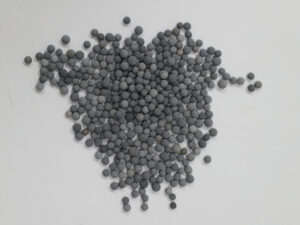
Place inert ceramic balls on top of the CMS bed to absorb airflow shock and protect upper-layer pellets.
4. Maintain Stable Operating Temperature
Thermal expansion and contraction can create internal stress inside CMS pellets.
Control Inlet Air Temperature
-
Maintain 30–40°C operating range
-
Maximum CMS operating temperature typically ≤ 120°C
-
High temperatures reduce adsorption capacity
Control Regeneration Gas Temperature
-
Regeneration nitrogen temperature: 80–100°C
-
Avoid overheating
-
Maintain stable flow rate
Gradual Startup and Shutdown
-
Temperature change rate ≤ 5°C per minute
-
Slow pressurization and depressurization
-
Avoid frequent start-stop cycles
5. Routine Monitoring and Preventive Maintenance
Proactive monitoring significantly extends carbon molecular sieve lifespan.
Monitor Bed Pressure Drop
-
Record pressure difference weekly
-
A sudden increase >20% of design value may indicate:
-
CMS crushing
-
Agglomeration
-
Channeling
-
Maintain Pretreatment System
-
Replace filters monthly
-
Inspect air dryer performance quarterly
-
Ensure clean, dry, oil-free air supply
Minimize Frequent Start-Stop Cycles
If shutdown is required:
-
Reduce load gradually
-
Depressurize slowly
-
Restart progressively
6. Select High-Quality Carbon Molecular Sieve
Pellet strength determines resistance to crushing.
Choose CMS with:
-
Compressive strength ≥ 100 N/pellet
-
Low abrasion rate (verified by ball mill test)
-
Stable microporous structure
High-quality carbon molecular sieve provides:
-
Longer service life
-
Stable nitrogen purity
-
Lower maintenance cost
-
Reduced downtime
Conclusion
Preventing carbon molecular sieve crushing in a PSA nitrogen generator requires full-process control, including:
-
Optimized airflow and pressure management
-
Strict compressed air pretreatment
-
Proper CMS loading techniques
-
Stable temperature control
-
Routine monitoring and maintenance
-
Selection of high-strength CMS
By implementing these measures, operators can significantly extend CMS service life, maintain nitrogen purity, and ensure long-term stable system performance.