Does the energy consumption of the cryogenic air separation unit vary significantly with the ambient temperature?
The deep cryogenic air separation unit is the core equipment for separating air into high-purity industrial gases through deep freezing technology. Its energy consumption level directly affects the production costs and green development level of the enterprise. Among the factors influencing the energy consumption of the device, environmental temperature is a variable that cannot be ignored but is of crucial importance. Practice shows that environmental temperature fluctuations will significantly affect the overall energy consumption through changes in the operating parameters of the core system of the device. In-depth exploration of the correlation mechanism between the two is of great significance for optimizing the operation of the device.
Deep cryogenic air separation
I. The energy consumption core of the deep cryogenic air separation unit and the role of environmental temperature
The energy consumption of the deep cryogenic air separation unit mainly concentrates in the air compression, pre-cooling, purification and distillation processes. Among them, the air compression system and the pre-cooling system are the most sensitive to environmental temperature. Changes in environmental temperature will directly alter the temperature and density of the air entering the device, causing changes in the working requirements of the compression system and the cooling load of the pre-cooling system, and ultimately affecting the overall energy consumption of the device.
From a thermodynamic perspective, according to the ideal gas state equation, when the pressure is the same, an increase in environmental temperature will cause the air density to decrease. This leads to the compressor requiring more mass of gas to process the same volume of air in a unit of time, increasing the theoretical energy consumption of the compression; at the same time, higher air temperature will cause the exhaust temperature of the compressor to rise, reducing the isothermal efficiency and further increasing the actual energy consumption.
II. The specific impact of environmental temperature on the energy consumption of each core system .
The main source of energy consumption fluctuations in the air compression system .
The air compressor is the “heart” of the air separation unit, accounting for 50% to 60% of the total energy consumption. It is highly affected by environmental temperature. Data shows that for every 10℃ increase in temperature, the shaft power increases by approximately 3% to 5%. Taking a 1000 m³/h air separation unit as an example, the unit energy consumption in summer at 35℃ is about 12% to 15% higher than that in winter at 5℃, and the annual power consumption difference can reach tens of thousands of kilowatt-hours.
Air pre-cooling system: The interrelationship between cooling load and energy consumption .
The pre-cooling system needs to cool the compressed air to nearly the dew point temperature, preparing it for the molecular sieve purification process. An increase in ambient temperature leads to a decrease in the cooling effect of the circulating cooling water, resulting in increased power consumption for the cooling tower fans and pumps. Poor cooling also shortens the adsorption cycle of the molecular sieve and increases the energy consumption for regeneration.
Distillation system: Fine-tuning of energy consumption under indirect influence .
The energy consumption of the distillation system is relatively stable, and the environmental temperature is indirectly affected by the preceding system. On one hand, an increase in the energy consumption of the compression system will cause fluctuations in the pressure of the inlet air to the tower, and adjusting the reflux ratio to maintain purity will increase the load on the reboiler and condenser; on the other hand, insufficient pre-cooling results in incomplete removal of impurities, which can easily clog the distillation tower and affect the efficiency of the trays, thereby increasing energy consumption.
Air separation plant
III. Main measures for energy conservation and consumption reduction in air separation plants
In response to the challenges posed by environmental temperatures, the air separation industry has developed a variety of effective strategies for energy conservation and consumption reduction: .
Inhalation pre-cooling: A spray cooler or surface cooler is installed in front of the air compressor’s intake port to directly lower the intake air temperature, achieving significant and effective results in hot-weather areas.
System optimization: Utilize efficient air coolers or optimize the circulating water system to enhance cooling efficiency, ensuring that the cooling medium remains at a low temperature even during hot weather.
Strengthen insulation: Regularly inspect and maintain the insulation materials of the distillation tower to prevent them from settling or getting damp, effectively reducing the heat loss caused by external environmental heat intrusion.
Intelligent control: Utilizing advanced control systems, the key operating parameters of air compressors, expansion machines, etc. are adjusted in real time according to the ambient temperature, ensuring that the system remains in the optimal operating condition at all times.
Pre-treatment system
Based on the above, the environmental temperature has a significant impact on the energy consumption of deep cryogenic air separation units. This impact is mainly transmitted through the air compressor system and the pre-cooling system, causing the total energy consumption to increase as the temperature rises. Currently, energy is in short supply, and enterprises need to pay attention to this factor. By optimizing equipment design, upgrading control systems, and implementing flexible operational strategies in practice, the adverse effects of temperature fluctuations can be reduced. With the development of efficient energy-saving technologies, the devices will have a stronger adaptability to temperature changes, providing strong support for the green and low-carbon development of the industry.
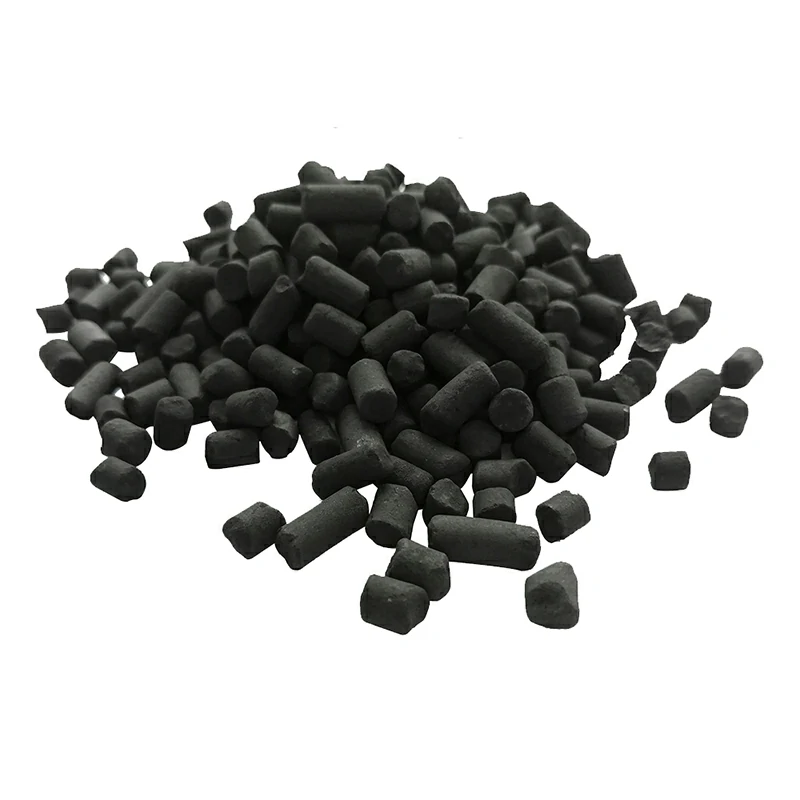 Carbon Molecular Sieve Supplier Checklist | How to Choose CMS Manufacturer in China
 How to Reduce PSA Nitrogen Generator Operating Cost | Carbon Molecular Sieve Guide