Analysis of the Impact of Carbon Molecular Sieves on the Energy Consumption of PSA Nitrogen Generators
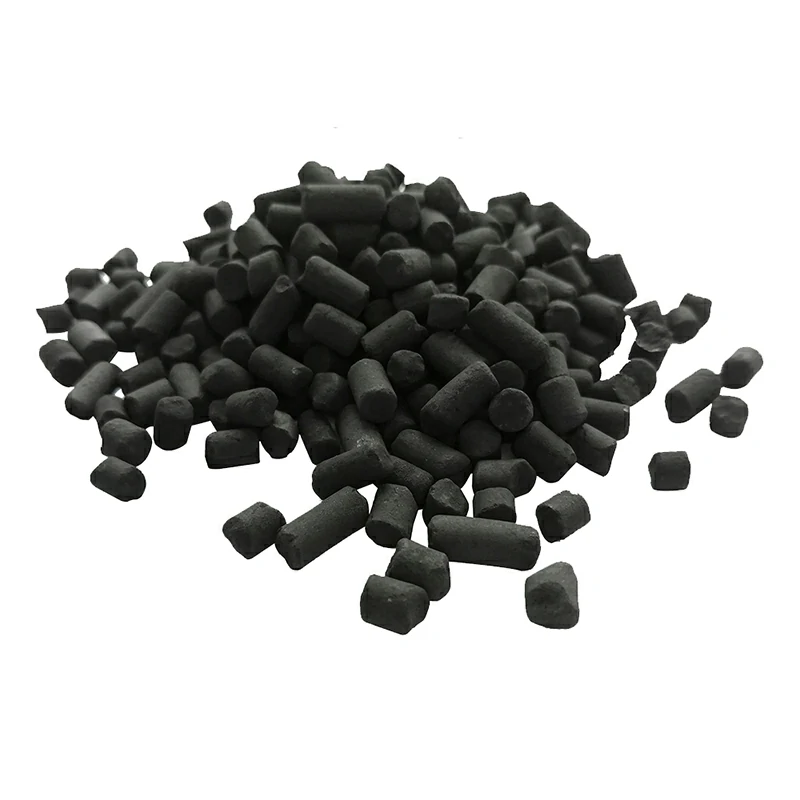
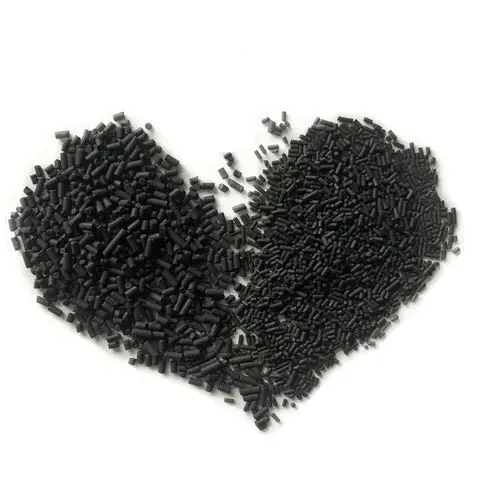
The nitrogen generator, as the core equipment for obtaining nitrogen in the industrial field, its energy consumption level directly affects the operating costs of the enterprise. In the pressure swing adsorption (PSA) nitrogen production technology, the carbon molecular sieve is the key medium for separating nitrogen from oxygen. Its performance, state, and adaptability have a decisive impact on the energy consumption of the equipment. The following analyzes how the carbon molecular sieve affects the energy consumption performance of the nitrogen generator from multiple dimensions.
I. Adsorption Performance of Carbon Molecular Sieves: The Core Determinant of Energy Consumption
The adsorption performance of carbon molecular sieves is mainly reflected in two aspects: adsorption capacity and selectivity.
Adsorption capacity: It refers to the amount of oxygen that a unit mass of molecular sieve can adsorb. The greater the capacity, the more air that can be processed in a single adsorption cycle, eliminating the need for frequent switching of the adsorption tower, thereby reducing the energy consumption of valve operations and the start-stop frequency of the air compressor. For example, the oxygen adsorption capacity of high-performance carbon molecular sieve is 15% to 20% higher than that of ordinary products. Under the same nitrogen production output, it can reduce the air compressor load by approximately 10%, directly reducing power consumption.
Selectivity: This refers to the difference in the adsorption of oxygen and nitrogen by the molecular sieve. The higher the selectivity, the more oxygen it can preferentially adsorb, reducing the loss of nitrogen adsorption and increasing the nitrogen recovery rate. If the selectivity is insufficient, some nitrogen will be adsorbed and then discharged along with the regeneration gas flow, resulting in a decrease in the nitrogen production of the product. To maintain the target production volume, the intake volume needs to be increased, thereby increasing energy consumption. Data shows that a 5% increase in selectivity can increase the nitrogen recovery rate by 8%, and the unit nitrogen energy consumption can be reduced by approximately 6%.
II. Aging and Degradation of Molecular Sieves: The Hidden Driver of Increased Energy Consumption
Carbon molecular sieves will gradually age during long-term use, manifested as blocked microporous structures, reduced surface area, or loss of active sites, resulting in a decline in adsorption performance.
The aged molecular sieves are unable to effectively adsorb oxygen. To achieve the same nitrogen purity (such as 99.9%), the nitrogen generator needs to increase the intake pressure or extend the adsorption time. For instance, a certain enterprise found that the adsorption capacity of its 3-year-old molecular sieves decreased by 25%. To maintain production, the power of the air compressor needs to be increased by 18%, and the annual energy cost increases by approximately 120,000 yuan.
Furthermore, the regeneration of aged molecular sieves becomes more difficult, requiring more product nitrogen for backflushing, which further reduces the effective nitrogen output and creates a vicious cycle of “increased energy consumption – decreased output”.
III. Filling Quality: An Unconscious Variable Affecting Energy Consumption
The filling process of carbon molecular sieves directly determines their distribution state within the adsorption tower, and thereby affects the uniformity of the gas flow:
If the filling is uneven, the “channel flow” phenomenon may occur – some of the air passes through the tower body without undergoing sufficient adsorption by the molecular sieve, resulting in the nitrogen purity not meeting the standards. To compensate for this defect, the equipment needs to increase the intake volume or extend the adsorption cycle, which will lead to an increase in energy consumption.
Insufficient packing density will result in a reduction of the effective adsorption volume of the adsorption tower, requiring more air to be processed at the same production rate and increasing the load on the air compressor. On the contrary, excessive packing may compress the microporous structure of the molecular sieve, thereby reducing the adsorption performance. Therefore, a standardized packing process (such as layered vibration packing) is a prerequisite for ensuring low-energy consumption operation.
IV. Regeneration Characteristics: A Key Component of Energy Consumption Optimization
The regeneration process of PSA nitrogen production relies on the backflushing of product nitrogen to desorb the adsorbed oxygen from the molecular sieve. The regeneration characteristics of the carbon molecular sieve (such as desorption efficiency and the required backflushing gas volume) directly affect energy consumption:
The highly desorbing molecular sieves can be regenerated with only a small amount of back-blowing nitrogen, thus reducing the waste of product nitrogen. For instance, the back-blowing volume of the highly efficient regenerable molecular sieves is only 70% of that of the ordinary products, and the unit nitrogen energy consumption is reduced by more than 10%.
If the regeneration time is too long, the frequency of adsorption tower switching will decrease, which will lead to a decline in overall production efficiency and indirectly increase energy consumption. Therefore, choosing molecular sieves with excellent regeneration performance can shorten the regeneration cycle and optimize the energy consumption structure.
V. Type Compatibility: The prerequisite for energy consumption control
Different types of carbon molecular sieves are suitable for different nitrogen purity and production requirements:
If the actual requirement is 95% pure nitrogen, but a molecular sieve suitable for 99.99% purity is selected, excessive adsorption will lead to an increase in energy consumption; conversely, a low-purity molecular sieve cannot meet the high-purity requirement, and it is necessary to compensate by increasing the intake volume or performing multiple adsorption processes, which will also result in an increase in energy consumption.
Therefore, choosing the appropriate molecular sieve model based on production requirements is the fundamental way to avoid energy waste.
Summary
Carbon molecular sieves serve as the core medium in nitrogen generators, and their performance, state, and filling quality directly affect the energy consumption of the equipment. Enterprises need to optimize the energy consumption performance of nitrogen generators by selecting high-performance molecular sieves, ensuring standardized filling, and conducting regular aging inspections. Proper management of carbon molecular sieves not only reduces operating costs but also enhances the stability and service life of the equipment, providing efficient and economical nitrogen supply for industrial production.