Does Carbon Molecular Sieve Produce Odor? | PSA Nitrogen Generator CMS Guide
Does carbon molecular sieve smell? Learn why CMS in PSA nitrogen generators is odorless, what causes nitrogen odor issues, and how to prevent contamination. Expert guide from a professional CMS manufacturer.
Does Carbon Molecular Sieve Produce Odor in Nitrogen Generators?
As a professional carbon molecular sieve (CMS) manufacturer, we often receive this question from global customers:
“Will carbon molecular sieve produce odor in a nitrogen generator?”
The short answer is: No — high-quality carbon molecular sieve itself is completely odorless.
However, in some cases, users may detect unusual smells in nitrogen output. This article will explain:
- Whether CMS produces odor
- Why nitrogen gas may smell
- How to prevent contamination
- How to ensure high-purity nitrogen production
1. Carbon Molecular Sieve: Naturally Odorless Material
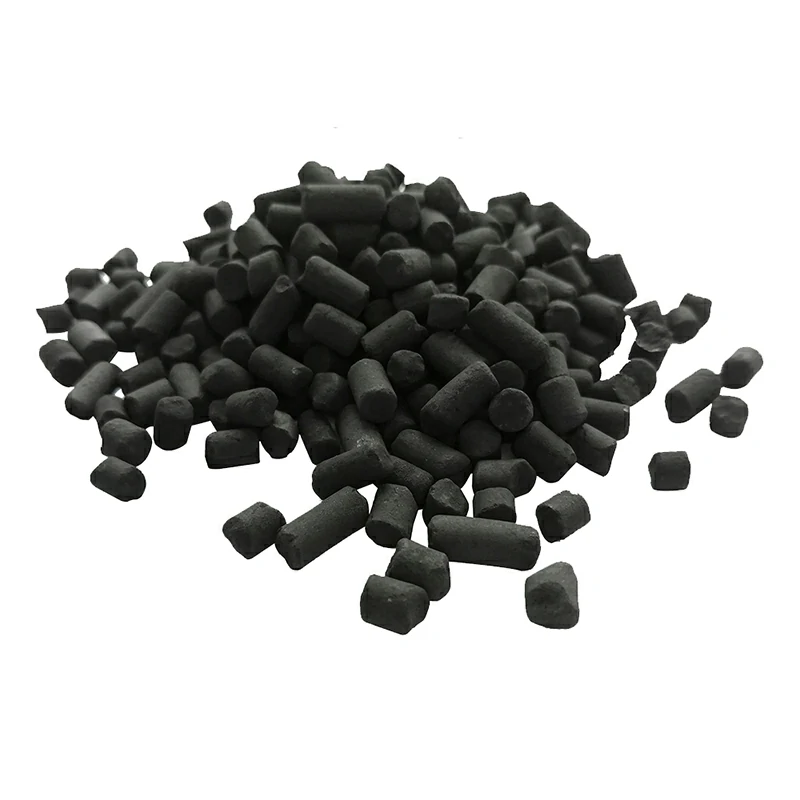
Carbon molecular sieve is a high-performance porous carbon adsorbent, widely used in PSA nitrogen generators.
Key Characteristics:
- High-temperature processing (800–1000°C)
Removes organic impurities during carbonization - Stable carbon structure
Mainly amorphous carbon with no volatile compounds - Precise pore size (0.3–0.5 nm)
Enables selective oxygen adsorption
Because of this structure, new and uncontaminated CMS does NOT release any smell.
2. Normal Operation: Nitrogen Gas Should Be Odor-Free
In a PSA (Pressure Swing Adsorption) nitrogen generation system:
Process Overview:
- Adsorption phase: Oxygen, CO₂, and moisture are adsorbed
- Desorption phase: Impurities are released and CMS is regenerated
With proper air treatment, nitrogen purity can reach:
- 95% to 99.999%
✅ Result:
Clean, dry, odorless nitrogen gas
3. Why Does Odor Occur? (Real Causes Explained)
If you notice odor, it is NOT from the carbon molecular sieve itself, but from external factors.
3.1 Contaminated Compressed Air
This is the most common cause.
Possible contaminants:
- Oil vapor
→ Causes rancid or burnt smell after oxidation - Excess moisture
→ Leads to mold or musty odor - VOCs (volatile organic compounds)
→ Chemical or irritating smells
👉 These impurities are absorbed by CMS and later released.
3.2 Carbon Molecular Sieve Aging or Pollution
Over time, CMS performance may degrade:
- Oil contamination
→ Blocks pores and causes odor release - Moisture damage
→ Leads to powdering and microbial growth - Long-term impurity accumulation
→ Releases unpleasant smells
3.3 Equipment and System Issues
Odor can also come from system failures:
- High adsorption tower temperature
→ Causes decomposition of contaminants (burnt smell) - Filter failure
→ Activated carbon filter not replaced - Pipeline contamination
→ Bacteria or residue buildup
4. How to Prevent Odor in Nitrogen Generators
As a manufacturer, we strongly recommend the following:
1. Ensure Proper Air Pretreatment
Install:
- Oil removal filters
- Refrigerated or desiccant air dryers
- Precision filters
Recommended standards:
- Oil content: < 0.01 mg/m³
- Pressure dew point: ≤ -40°C
2. Replace Filters and CMS Regularly
- Change filter elements on schedule
- Inspect CMS annually
- Replace contaminated or aged CMS immediately
3. Control Installation Environment
- Keep air intake away from:
- Chemical plants
- Waste areas
- Industrial exhaust sources
4. Routine Maintenance
- Monitor pressure and temperature
- Clean pipelines and adsorption towers
- Test nitrogen purity regularly
5. What to Do If Odor Appears?
Follow this troubleshooting process:
- Test nitrogen purity and composition
- Check compressed air quality
- Inspect filters and dryer system
- Evaluate CMS condition
- Replace contaminated materials if needed
6. Conclusion
✔ Carbon molecular sieve itself is completely odorless
✔ Nitrogen produced under normal conditions has no smell
✔ Odor issues are caused by:
- Contaminated air
- Poor maintenance
- Equipment malfunction
With proper system design and maintenance, odor problems can be fully avoided.
Looking for High-Quality Carbon Molecular Sieve?
As a trusted CMS manufacturer and supplier, we provide:
- High adsorption efficiency
- Long service life
- Stable nitrogen purity performance
- Custom solutions for PSA systems
Contact us today to get technical support and competitive pricing for your nitrogen generation system.