How to Reduce PSA Nitrogen Generator Operating Cost | Carbon Molecular Sieve Guide
Learn how to reduce PSA nitrogen generator operating costs using high-quality carbon molecular sieve. Improve energy efficiency, reduce air consumption, and lower total production cost.
How to Reduce PSA Nitrogen Generator Operating Cost with Carbon Molecular Sieve
In industrial nitrogen production, the biggest long-term expense is not the equipment itself — but the operating cost of the PSA nitrogen generator.
Many factories discover that electricity consumption, compressed air usage, and maintenance costs can exceed expectations over time.
The good news is that a significant portion of these costs can be optimized by choosing the right Carbon Molecular Sieve (CMS) and operating the system correctly.
In this article, we explain how carbon molecular sieve directly impacts PSA operating cost and how to reduce long-term expenses effectively.
What Makes PSA Nitrogen Generators Expensive to Run?
The main operating costs of a PSA nitrogen generator come from:
- Electricity consumption (air compressor)
- Compressed air production
- Maintenance and replacement parts
- Carbon molecular sieve replacement
- System inefficiency losses
Among these factors, compressed air generation is usually the largest cost.
Therefore, improving air efficiency and adsorption performance is the key to reducing overall operating cost.
How Carbon Molecular Sieve Affects Operating Cost
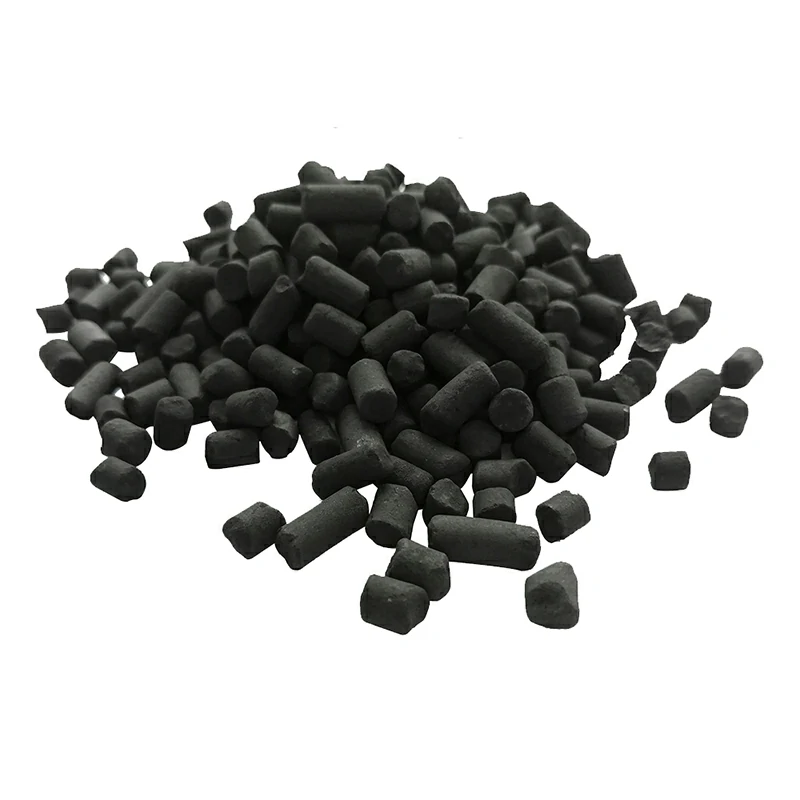
Carbon Molecular Sieve is the core material inside PSA nitrogen generators.
It directly determines:
- Oxygen adsorption efficiency
- Nitrogen production rate
- Air consumption per unit nitrogen
- Cycle efficiency
- System stability
A difference in CMS quality can significantly change long-term operating costs.
1. Air Consumption Is the Biggest Cost Factor
High-quality carbon molecular sieve reduces the amount of compressed air required to produce nitrogen.
This leads to:
- Lower compressor energy usage
- Reduced electricity bills
- Improved nitrogen recovery rate
Low-quality CMS requires more air to achieve the same nitrogen purity, which increases operating cost significantly over time.
Even a small improvement in air efficiency can result in large annual savings.
2. Nitrogen Recovery Efficiency Improves Output
Nitrogen recovery rate refers to how much nitrogen is produced from a given amount of compressed air.
High-performance CMS provides:
- Faster oxygen adsorption
- Better separation efficiency
- Higher nitrogen yield
This means:
- More nitrogen output
- Less wasted compressed air
- Higher system productivity
Improving recovery efficiency is one of the most effective ways to reduce cost per cubic meter of nitrogen.
3. Stable Performance Reduces Energy Waste
Unstable PSA systems consume more energy due to:
- Frequent pressure fluctuations
- Inefficient adsorption cycles
- Incomplete oxygen separation
High-quality carbon molecular sieve helps stabilize:
- Adsorption speed
- Pressure balance
- Gas flow distribution
Stable operation reduces unnecessary energy loss and improves long-term cost efficiency.
4. Longer CMS Lifespan Reduces Replacement Cost
Frequent replacement of carbon molecular sieve increases:
- Material cost
- Labor cost
- Production downtime
Premium CMS typically offers:
- Longer service life
- Better mechanical strength
- Lower dust generation
This reduces total cost of ownership significantly over time.
5. Lower Dust Improves System Efficiency
Low-quality CMS often produces dust during operation.
Dust can:
- Block valves
- Reduce airflow efficiency
- Increase pressure drop
- Damage internal components
This leads to:
- Higher energy consumption
- More frequent maintenance
- Reduced system performance
High-quality carbon molecular sieve minimizes dust generation and maintains system efficiency.
6. Better CMS = Smaller Compressor Load
Because CMS determines air-to-nitrogen efficiency, better materials allow:
- Lower compressor load
- Reduced running hours
- Lower electricity consumption
In many factories, compressors are the most expensive equipment to operate.
Even a small reduction in load can generate significant cost savings.
Hidden Costs of Low-Quality Carbon Molecular Sieve
Many buyers focus only on initial CMS price.
However, low-quality carbon molecular sieve often leads to:
- Higher electricity bills
- Increased air consumption
- Frequent replacement
- Unstable nitrogen purity
- Unexpected downtime
In most cases, these hidden costs are far greater than the initial savings.
How to Choose CMS That Reduces Operating Cost
1. Check Air-to-Nitrogen Ratio
A lower air-to-nitrogen ratio means better efficiency.
This directly reduces compressor energy consumption.
2. Evaluate Nitrogen Recovery Rate
Higher recovery rate = more nitrogen from the same air input.
This is a key indicator of CMS performance.
3. Check Mechanical Strength
Strong CMS pellets reduce:
- Dust formation
- System blockage
- Pressure instability
4. Evaluate Batch Stability
Consistent performance across batches ensures stable long-term operation.
5. Choose a Reliable Manufacturer
Experienced manufacturers understand:
- PSA system design
- Industrial nitrogen requirements
- Energy optimization
This ensures better long-term system performance.
Why China Is a Major CMS Supply Base
China has become a leading producer of carbon molecular sieve because of:
- Large-scale manufacturing capacity
- Competitive production cost
- Continuous technology improvement
- Flexible OEM services
- Strong export capability
However, product quality varies widely, so supplier selection is critical.
Practical Tips to Reduce PSA Operating Cost
To achieve long-term cost reduction:
- Use high-quality carbon molecular sieve
- Maintain clean and dry compressed air
- Avoid system overloading
- Optimize PSA cycle settings
- Regularly maintain filters and valves
- Monitor nitrogen purity and air consumption
Final Thoughts
Reducing PSA nitrogen generator operating cost is not only about equipment efficiency — it is strongly influenced by the quality of Carbon Molecular Sieve.
High-quality CMS helps industrial users:
- Reduce compressed air consumption
- Lower electricity costs
- Improve nitrogen recovery
- Extend system lifespan
- Stabilize production performance
In the long term, choosing the right carbon molecular sieve supplier is one of the most effective ways to reduce total nitrogen production cost and improve factory profitability.