Why PSA Nitrogen Purity Drops | Carbon Molecular Sieve Troubleshooting Guide
Why does PSA nitrogen purity drop? Learn the most common causes of low nitrogen purity, how carbon molecular sieve affects PSA performance, and how to improve nitrogen generator efficiency.
why-psa-nitrogen-purity-drops
Why PSA Nitrogen Purity Drops: Common Causes and Solutions
One of the most common problems in PSA nitrogen generation systems is unstable or reduced nitrogen purity.
Many industrial users experience situations such as:
- Nitrogen purity suddenly decreases
- PSA nitrogen generator cannot reach target purity
- Nitrogen purity fluctuates during operation
- Air consumption increases significantly
- Production quality becomes unstable
In many cases, Carbon Molecular Sieve (CMS) plays a critical role in these problems.
Understanding why nitrogen purity drops can help industrial users:
- Reduce downtime
- Improve PSA efficiency
- Lower operating costs
- Extend equipment lifespan
- Avoid unnecessary maintenance expenses
In this article, we explain the most common reasons for nitrogen purity reduction and how to solve them effectively.
How PSA Nitrogen Generation Works
Before analyzing nitrogen purity problems, it is important to understand how PSA nitrogen generators operate.
PSA systems use Carbon Molecular Sieve to separate oxygen and nitrogen from compressed air.
During operation:
- Oxygen molecules are adsorbed into CMS pores
- Nitrogen passes through as the product gas
The efficiency of this separation process determines nitrogen purity.
Any issue affecting:
- CMS performance
- Air quality
- Pressure stability
- Flow distribution
can reduce nitrogen purity.
1. Carbon Molecular Sieve Aging
One of the most common causes of purity loss is CMS aging.
Over time, carbon molecular sieve gradually loses adsorption efficiency due to:
- Repeated pressure cycling
- Mechanical wear
- Pore structure degradation
- Contamination
As adsorption performance weakens:
- Oxygen separation becomes less effective
- Nitrogen purity decreases
- Air consumption increases
Typical signs of aging CMS include:
- Lower nitrogen purity
- Longer startup time
- Reduced nitrogen output
- Higher compressor load
2. Poor Compressed Air Quality
Compressed air quality is extremely important for PSA nitrogen systems.
Contaminants such as:
- Oil vapor
- Water moisture
- Dust particles
can damage CMS pore structure and block adsorption channels.
Moisture contamination is especially dangerous because it can permanently reduce adsorption performance.
Poor air quality often leads to:
- Faster CMS degradation
- Unstable nitrogen purity
- Increased operating cost
Professional PSA systems should always include:
- Air dryers
- Oil removal filters
- Dust filtration systems
3. Excessive Moisture in the PSA System
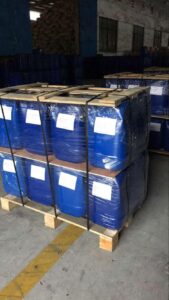
Moisture is one of the biggest enemies of carbon molecular sieve.
When water enters the CMS bed:
- Adsorption efficiency decreases
- Oxygen separation weakens
- CMS lifespan shortens
High humidity conditions may also cause:
- PSA pressure instability
- Uneven gas flow
- Reduced nitrogen recovery
Maintaining a proper dew point is essential for long-term stable operation.
4. Incorrect Operating Pressure
PSA nitrogen generators are designed to operate within specific pressure ranges.
If pressure becomes:
- Too low
- Too high
- Unstable
nitrogen purity may drop significantly.
Pressure fluctuations affect:
- Adsorption efficiency
- Oxygen separation speed
- PSA cycle stability
Maintaining stable operating pressure helps improve nitrogen purity consistency.
5. PSA Valve Problems
Pneumatic valves control airflow switching inside PSA systems.
If valves fail or leak:
- Airflow distribution becomes unstable
- Adsorption cycles become inaccurate
- Nitrogen purity fluctuates
Common valve problems include:
- Internal leakage
- Slow switching
- Seal wear
- Blockage from CMS dust
Regular valve inspection is important for stable PSA performance.
6. Excessive CMS Dust Generation
Low-quality carbon molecular sieve may generate excessive dust during operation.
Dust can:
- Block airflow channels
- Damage valves
- Create uneven pressure distribution
This reduces oxygen separation efficiency and affects nitrogen purity.
Professional-grade CMS should provide:
- High mechanical strength
- Low abrasion rate
- Minimal dust generation
7. PSA System Overloading
Many users attempt to increase nitrogen output beyond system design capacity.
Overloading may cause:
- Shorter adsorption time
- Reduced oxygen separation
- Increased air velocity
- Lower nitrogen purity
Running the system beyond recommended operating conditions accelerates CMS wear and reduces efficiency.
8. Uneven Airflow Distribution
Proper airflow distribution inside the CMS tower is critical.
Uneven airflow may cause:
- Partial CMS overloading
- Poor oxygen adsorption
- Reduced nitrogen recovery
This problem may result from:
- Poor tower design
- Incorrect CMS loading
- Internal blockage
- Valve malfunction
Professional PSA design helps ensure stable gas flow distribution.
How to Improve Nitrogen Purity
1. Replace Aging Carbon Molecular Sieve
If CMS performance has significantly declined, replacement may be necessary.
High-quality carbon molecular sieve helps:
- Restore nitrogen purity
- Reduce air consumption
- Improve PSA efficiency
- Stabilize operation
2. Improve Air Treatment Quality
Install and maintain:
- Air dryers
- Oil filters
- Moisture separators
- Dust filtration systems
Clean and dry compressed air is essential for protecting CMS.
3. Maintain Stable Operating Pressure
Monitor:
- Compressor condition
- Pressure regulators
- PSA cycle settings
Stable pressure improves adsorption efficiency.
4. Inspect PSA Valves Regularly
Routine valve maintenance helps prevent:
- Air leakage
- Cycle instability
- Pressure imbalance
Proper valve operation is critical for nitrogen purity stability.
5. Use High-Quality Carbon Molecular Sieve
Not all CMS products perform equally.
Professional-grade carbon molecular sieve provides:
- Better adsorption performance
- Higher nitrogen recovery
- Lower air consumption
- Longer lifespan
- More stable purity
For industrial users, stable performance is more valuable than low initial price.
Why CMS Quality Matters So Much
The carbon molecular sieve inside the PSA system directly determines:
- Oxygen adsorption efficiency
- Nitrogen recovery rate
- Energy consumption
- System reliability
Low-quality CMS often causes:
- Purity instability
- Excessive maintenance
- High electricity consumption
- Frequent replacement
High-quality CMS reduces long-term operating cost significantly.
Why Many Buyers Choose Chinese CMS Suppliers
China has become one of the largest carbon molecular sieve production centers because Chinese manufacturers can offer:
- Competitive pricing
- Large-scale production
- OEM support
- Export experience
- Improved manufacturing technology
However, buyers should carefully evaluate:
- Product consistency
- Technical support
- Manufacturing capability
- Quality control systems
rather than focusing only on low prices.
Final Thoughts
Nitrogen purity problems in PSA systems are usually caused by:
- Aging carbon molecular sieve
- Poor compressed air quality
- Moisture contamination
- Valve malfunction
- Incorrect operating conditions
- Low-quality CMS products
Understanding these factors helps industrial users improve:
- Nitrogen purity stability
- PSA operating efficiency
- Equipment lifespan
- Energy efficiency
Choosing high-quality carbon molecular sieve and maintaining proper operating conditions are essential for reliable long-term nitrogen generation performance.