Carbon Molecular Sieve for Nitrogen Generators: Continuous Operation Guide for PSA Systems
Learn whether carbon molecular sieve (CMS) is suitable for 24/7 nitrogen generator operation. Discover PSA working principles, maintenance tips, and how to extend CMS lifespan for industrial nitrogen production.
Carbon Molecular Sieve for Nitrogen Generators: Can It Run 24/7?
In industries such as chemical processing, electronics manufacturing, and food packaging, a stable nitrogen supply is critical. As a manufacturer of carbon molecular sieve (CMS), one of the most common questions we receive is:
Can carbon molecular sieve support continuous operation in PSA nitrogen generators?
The short answer is yes — with the right system design and maintenance, CMS is fully capable of 24/7 continuous operation.
In this article, we’ll break down the working principle, performance characteristics, and best practices to ensure long-term stability and efficiency.
1. Why Carbon Molecular Sieve Supports Continuous Operation
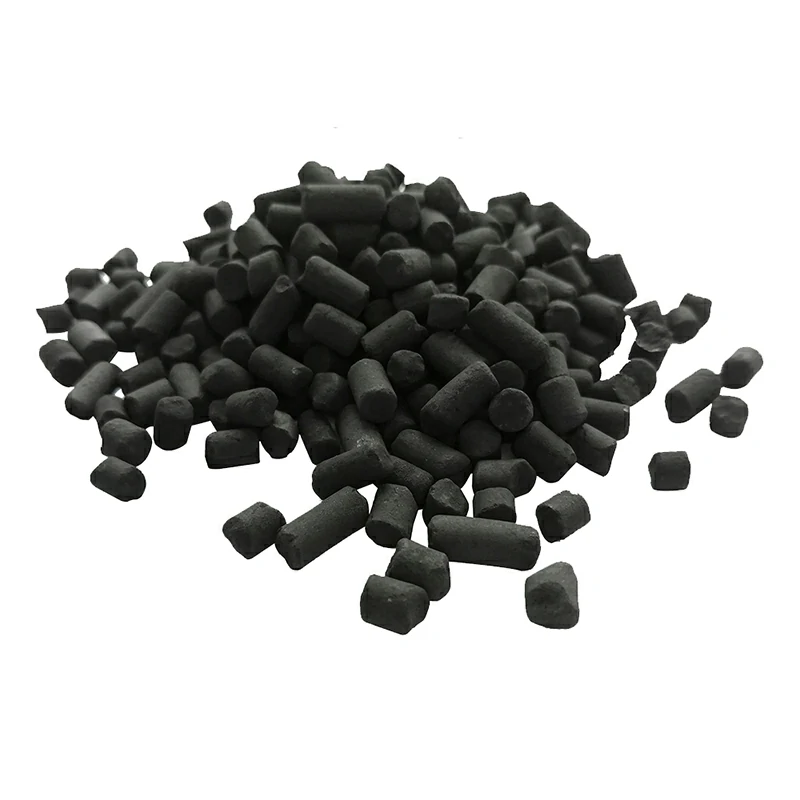
Carbon molecular sieve is the core adsorbent used in Pressure Swing Adsorption (PSA) nitrogen generators. Its ability to operate continuously comes from both system design and material properties.
PSA Working Principle
A PSA nitrogen generator typically uses a dual-tower system:
- Adsorption Phase:
Compressed air enters one tower. CMS selectively adsorbs oxygen, CO₂, and moisture, allowing nitrogen to pass through. - Regeneration Phase:
The second tower undergoes depressurization, releasing trapped gases and restoring CMS activity. - The two towers alternate continuously, ensuring uninterrupted nitrogen output.
👉 This means CMS is not under constant stress — it operates in a cyclic “work + regeneration” mode, which naturally supports long-term continuous use.
2. Key Properties of High-Quality Carbon Molecular Sieve
Not all CMS materials perform equally. High-quality carbon molecular sieve is specifically engineered for continuous PSA operation.
✔ High Mechanical Strength
- compressive strength ≥ 95%
- Prevents particle breakdown and dusting under pressure cycles
✔ Fast Adsorption Kinetics
- Oxygen adsorption time < 10 seconds
- Enables shorter cycles and higher efficiency
✔ Efficient Regeneration
- Desorption time < 30 seconds
- Ensures full recovery of adsorption capacity
✔ High Nitrogen Selectivity
- Separation factor > 5
- Maintains stable nitrogen purity over long periods
These properties are essential for industrial nitrogen generators running 24/7.
3. Challenges in Continuous Operation (And How to Solve Them)
While CMS is suitable for continuous use, improper operation can significantly shorten its lifespan. Here are the three main challenges:
3.1 Air Contamination (Biggest Risk)
Carbon molecular sieve is extremely sensitive to:
- Oil vapor
- Moisture
- Dust particles
Contaminants can cause permanent poisoning, reducing adsorption performance.
Recommended Solution:
Install a complete air pretreatment system:
- Precision filters (dust removal)
- Refrigerated dryer (dew point ≤ -20°C)
- Desiccant dryer (dew point ≤ -40°C)
- Activated carbon filter (oil removal)
Maintenance Tips:
- Replace filter elements every 3 months
- Monitor dew point and oil content daily
3.2 Incomplete Regeneration
If regeneration is insufficient:
- CMS cannot fully release adsorbed gases
- Adsorption capacity decreases
- Nitrogen purity drops
Recommended Solution:
Optimize operating parameters:
- Adsorption pressure: 0.6–0.8 MPa
- Regeneration pressure: ≤ 0.05 MPa
- Cycle time: 30–120 seconds
Use pressure equalization design to improve efficiency and reduce stress.
3.3 Overloading the System
Running beyond design capacity leads to:
- Shortened adsorption time
- Oxygen breakthrough
- Reduced nitrogen purity
Recommended Solution:
- Match nitrogen output with actual demand
- Use variable frequency control for airflow
- Install buffer tanks to stabilize demand fluctuations
4. Real-World Performance & Lifespan
In industries requiring continuous nitrogen supply, such as:
- Chemical reactors
- Electronics soldering
- Food preservation
PSA nitrogen generators typically operate 24 hours a day.
With proper operation, carbon molecular sieve can last:
3 to 5 years (or longer)
5. Maintenance Best Practices
To maximize CMS lifespan and performance:
Daily Monitoring
- Check nitrogen purity (oxygen analyzer)
- Monitor pressure and dew point
Routine Maintenance
- Weekly: Clean equipment and check system condition
- Monthly: Inspect valves and seals
- Quarterly: Replace activated carbon filters
When to Replace CMS?
- Nitrogen purity drops significantly (e.g., 99.99% → 99.5%)
- Visible powdering inside the tower
- Oil contamination (irreversible damage)
6. Final Conclusion
So, is carbon molecular sieve suitable for continuous operation?
✔ Yes — absolutely.
But the real key is not just the material itself. It’s the combination of:
- Proper system design
- Clean compressed air
- Optimized operating parameters
- Regular maintenance
When these conditions are met, high-quality carbon molecular sieve delivers:
Stable nitrogen purity
Long service life
Reliable 24/7 performance
Looking for Reliable Carbon Molecular Sieve?
As a professional manufacturer, we supply high-performance CMS optimized for PSA nitrogen generators, designed for long service life and consistent purity.
Feel free to contact us for:
- Technical consultation
- CMS selection guidance
- OEM & bulk supply solutions
Let us help you achieve efficient, stable, and cost-effective nitrogen production.