Regarding Ratio of air to nitrogen in pressure swing adsorption nitrogen generators
1. Definition and significance of Ratio of air to nitrogen
Pressure swing adsorption nitrogen generators are a widely used gas separation technology in industrial fields. The core principle of this technology is to separate nitrogen from air by utilizing the different adsorption capacities of gases on specific adsorption materials. The adsorption and desorption characteristics of gases under pressure changes are utilized to extract pure nitrogen. Ratio of air to nitrogen parameter plays a crucial role in evaluating the performance of pressure swing adsorption nitrogen generators.
Ratio of air to nitrogen, simply put, is the ratio of the volume of nitrogen gas output during the nitrogen separation process to the volume of air discharged by the equipment during each operating cycle. The size of this ratio directly affects the operating efficiency of the equipment, the purity of the nitrogen gas, and energy consumption. For production units, this parameter has extremely important guiding significance – if Ratio of air to nitrogen is too high, it means that the nitrogen gas output by the equipment is not the purest, and may contain other gases; while if Ratio of air to nitrogen is too low, it may mean that the equipment’s energy efficiency is low, resulting in unnecessary energy waste.
2. Factors affecting Ratio of air to nitrogen
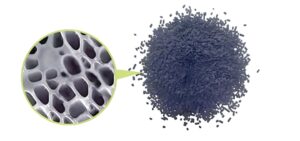
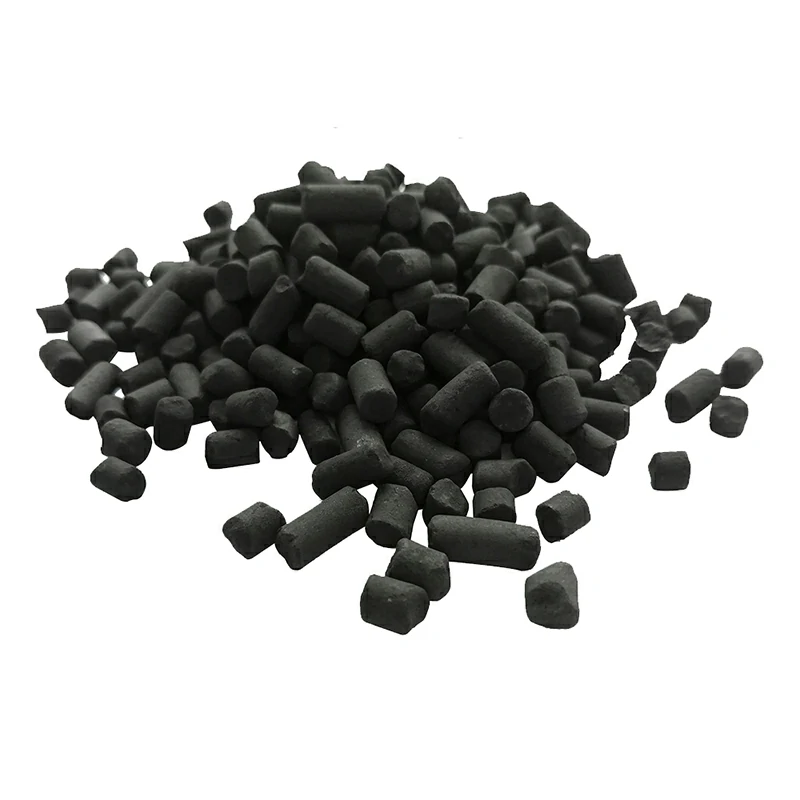
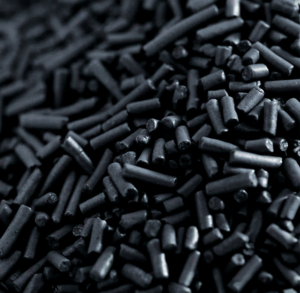
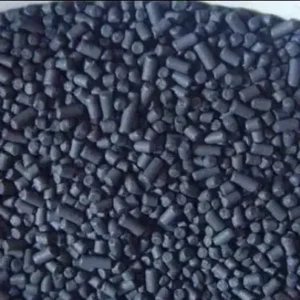
The size of Ratio of air to nitrogen is not a fixed value and fluctuates with changes in various factors. Among these factors, the most significant ones are the type of adsorbent, the design of the adsorption bed, and the operating pressure conditions. The selection of adsorbents has a direct impact on Ratio of air to nitrogen. Different adsorbents have different adsorption capacities for nitrogen and oxygen gases. Commonly used adsorbents include activated carbon, molecular sieves, etc. Molecular sieves, due to their special pore structure, usually effectively separate oxygen from nitrogen, improving the purity of nitrogen. In other words, choosing high-performance adsorbents can increase the nitrogen yield and thereby affect the performance of Ratio of air to nitrogen. The design of the adsorption bed is also a decisive factor. A reasonable bed structure ensures uniform gas flow, reduces dead zones, and improves adsorption efficiency. If the bed design is unreasonable, it will affect the nitrogen separation effect, leading to a higher nitrogen ratio and impacting overall production efficiency.
During operation, parameters such as the inlet pressure of compressed air, adsorption pressure, and desorption pressure also directly affect Ratio of air to nitrogen. Generally, higher operating pressure helps improve the nitrogen separation effect, but it also leads to increased energy consumption. In practical operations, how to balance these pressure parameters to ensure efficient separation while avoiding excessive energy consumption becomes a technical challenge.
3. Optimization of Ratio of air to nitrogen in practical applications
In practical applications, many enterprises and research institutions are constantly exploring ways to improve the overall performance of nitrogen generators by optimizing Ratio of air to nitrogen. For example, in the gas separation process, adjusting the cycle time and pressure difference control parameters of pressure swing adsorption in a clever way can reduce Ratio of air to nitrogen without lowering the purity of nitrogen, thereby saving energy and improving production efficiency. A typical case comes from a large fertilizer plant. In the nitrogen production process of this plant, Ratio of air to nitrogen of the pressure swing adsorption nitrogen generator has been maintained at around 2.1 for a long time. After in-depth analysis, the plant decided to optimize the adsorption bed design, adjust the operating pressure and flow parameters, and finally reduced Ratio of air to nitrogen to 1.8, significantly reducing energy consumption in the nitrogen separation process and saving a large amount of electricity costs. This achievement not only optimized the production process but also improved equipment stability and extended the equipment’s service life.
4. The relationship between Ratio of air to nitrogen and energy efficiency
In the current situation of rising energy prices, the energy efficiency of pressure swing adsorption nitrogen generators has become one of the focuses of enterprises’ attention. The relationship between Ratio of air to nitrogen and energy efficiency is actually a typical balance problem. Increasing Ratio of air to nitrogen may help improve the purity of nitrogen, but it will also increase the equipment’s operating time and energy consumption; while a too low nitrogen ratio may lead to a decrease in nitrogen purity and even affect the final gas quality. When designing and optimizing pressure swing adsorption nitrogen generators, it is necessary to comprehensively consider the relationship between energy consumption and nitrogen purity, striving for the optimal balance point. Ratio of air to nitrogen of the pressure swing adsorption nitrogen generator is an important indicator for evaluating the performance of the equipment. It not only affects the quality and output of nitrogen gas, but also directly relates to the control of production costs and the rational use of energy. The continuous advancement of technology and the adjustment and optimization of Ratio of air to nitrogen will become the key links for improving equipment efficiency and reducing production costs. In the future development, we have reason to believe that the optimization of Ratio of air to nitrogen will become an important breakthrough for enhancing industrial nitrogen production technology.