Analysis of Common Faults of Molecular Sieves in Nitrogen Generator Machines
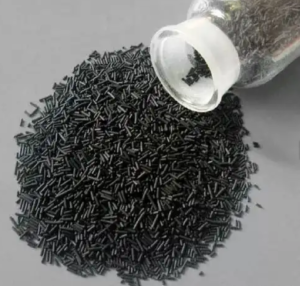
The main phenomena of carbon molecular sieve leakage in the nitrogen generator are as follows: During the process of oxygen-rich exhaust in the nitrogen generator operation, black smoke is emitted from the exhaust management system, and even molecular sieve particles are sprayed out. The pulverization of the molecular sieve and the damage of internal components of the equipment are the direct causes of the powder leakage in the nitrogen generator. The common faults of the molecular sieve in the nitrogen generator are as follows:
(1) Poor quality of molecular sieve
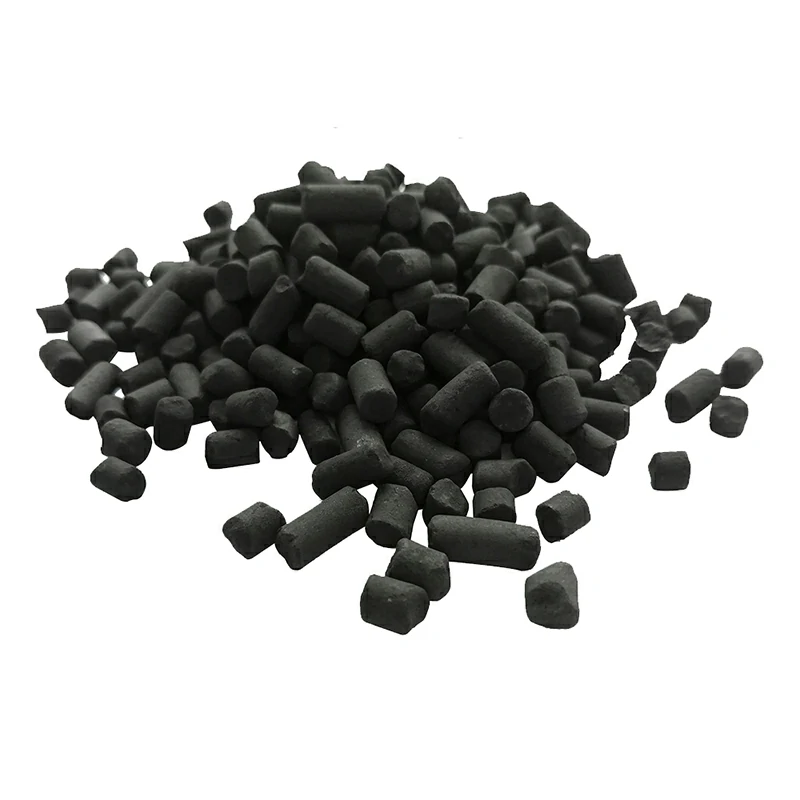
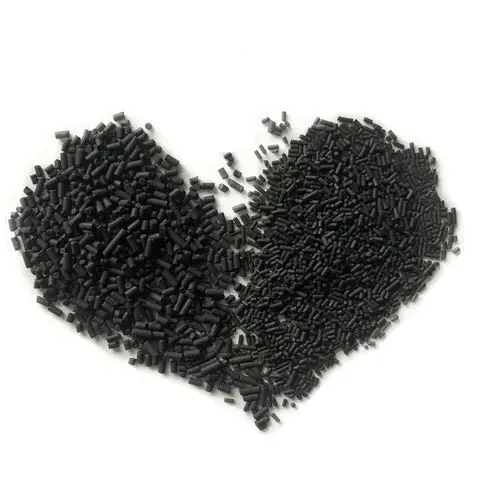
Molecular sieve is an adsorbent for separating nitrogen and adsorbing oxygen. The quality of the molecular sieve directly affects the performance and purity of the nitrogen supply of the nitrogen generator. The molecular sieve with good quality has better resistance to dust, moisture prevention, strength, and adsorption performance than the general quality molecular sieve. The molecular sieve with poor quality has a shorter service life and aggravates the pulverization during operation.
(2) Inadequate filling of molecular sieve
When filling the molecular sieve in the nitrogen generator, the absence of professional filling vibration equipment leads to a low filling density of molecular sieve in some parts of the machine. During the operation of the nitrogen generator, the compressed air flows upward through the bottom of the tank, and the oxygen is adsorbed by the molecular sieve, and the nitrogen is transported to the downstream pipeline. Due to the frequent impact of the airflow, the internal molecular sieve is worn out, and the material level of the molecular sieve gradually decreases. When it drops to the bottom cylinder, the cylinder no longer tightens the molecular sieve for operation, thereby accelerating the pulverization of the molecular sieve, causing the powder to pass through the filter screen and be discharged with the oxygen-rich exhaust.
(3) Pressure of the gas source
The compressed air after purification enters the bottom of the nitrogen generator tower and supplies the nitrogen generator. The pressure of the gas source affects the working condition of the nitrogen generator. Due to the high frequency of pressurization and depressurization of the PSA nitrogen generator equipment, the impact of the pressurized gas on the molecular sieve causes the wear of the molecular sieve. Therefore, it is necessary to strictly control the pressure and flow rate of the gas source. If the gas source pressure is too high, the impact force of the gas on the molecular sieve is large at the moment the pneumatic valve is opened, increasing the friction between the molecular sieve and causing the molecular sieve to fall. At the moment the pneumatic valve closes, the static friction force when the molecular sieve falls is also relatively large. If the gas source pressure is too low, the time for the molecular sieve to reach saturation for adsorbing oxygen is longer, which means that the working time of the nitrogen generator to output qualified nitrogen is longer, and the friction time between the molecular sieves is also longer, accelerating the pulverization of the molecular sieve.
(4) Loose pneumatic valve
The nitrogen generator pipeline is equipped with pneumatic quick-opening butterfly valve groups, pressure equalizing valve groups, exhaust valve groups, and discharge valve groups. Any valve group that is not tightly closed and leaks gas may cause gas flow in another temporarily non-operating nitrogen generator. The surge of the gas flow will also increase the static friction between the molecular sieves, intensifying the pulverization of the molecular sieve.
(5) High moisture and oil content in the inlet gas leading to failure
The inlet gas source of the nitrogen generator is equipped with multi-stage filtration facilities and drying facilities. This set of equipment mainly includes a cold dryer, over-effect filter, alumina heating dryer, and precision filter to form an air source purification system.
The filter elements and alumina ceramic balls in the air source purification system need to be replaced regularly. Damage to the filter elements or failure to replace them in time will lead to water and oil in the air source, and water and oil are the most important factors affecting the quality and service life of the molecular sieve.
(6) The top cylinder is not tightly pressed
Low instrument air pressure, damaged cylinders, and low material level of the nitrogen generator are all reasons for the top cylinder not being tightly pressed. When the top cylinder is not tightly pressed, the cylinder no longer restricts the molecular sieve, and the gas flow enters, giving the molecular sieve more space to move, increasing the impact force between the molecular sieves, accelerating the pulverization of the molecular sieve, and seriously affecting the stability and safety of the equipment’s internal structure when the equipment’s internal components are damaged.
(7) Cracks in the filter screen and coconut pad
Due to the long-term impact of the airflow and molecular sieve, the middle part of the filter screen and coconut pad is damaged, causing the molecular sieve to fall to the bottom of the tank and leak through the oxygen-rich exhaust pipe. If the damaged filter screen and coconut pad are not replaced in time, it will form a vicious cycle, affecting the purity and flow rate of the product gas, and seriously affecting the stability and safety of the equipment’s operation.