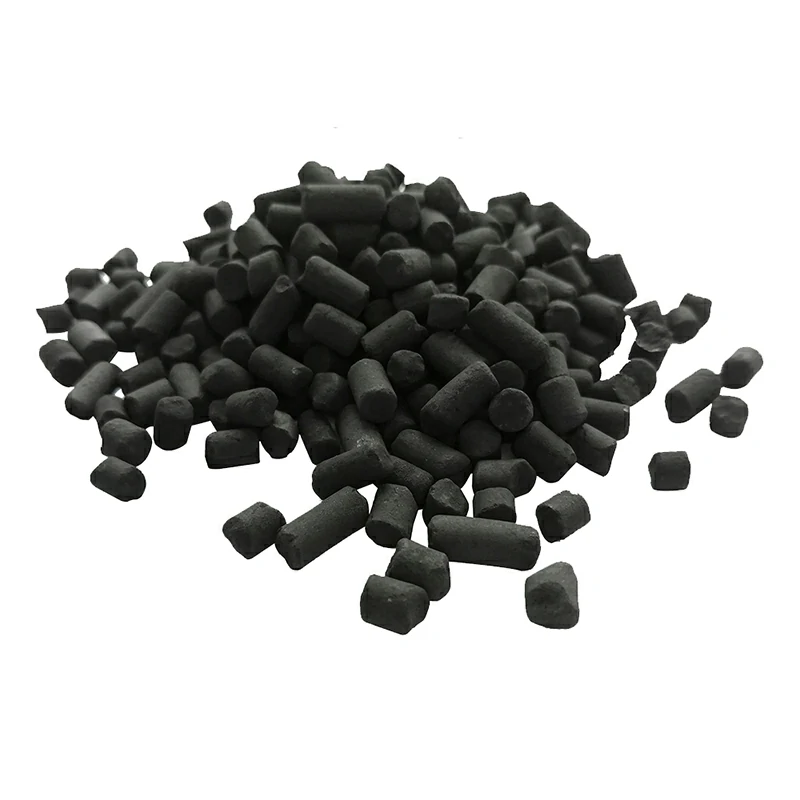
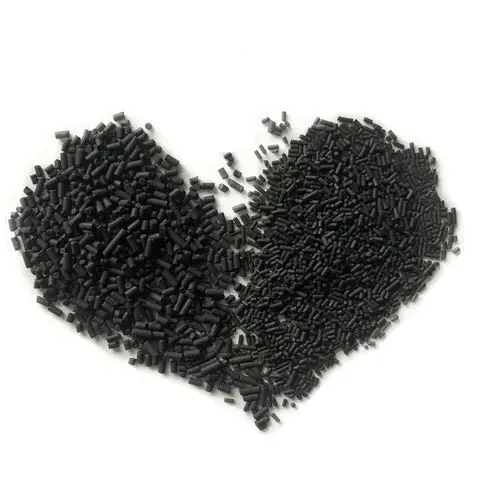
The differences between VPSA oxygen generators and PSA oxygen generators:
Oxygen generators are commonly used equipment in modern industry and medical fields, used to separate oxygen from the air.
VPSA (Variable Pressure Adsorption Oxygen Generation) and PSA (Pressure Swing Adsorption Oxygen Generation) are two common oxygen generation technologies.
The main differences between VPSA oxygen generators and PSA oxygen generators lie in their working principles, performance and energy consumption, equipment characteristics and application scenarios. VPSA oxygen generators use low-pressure adsorption and vacuum pressure swing adsorption technology, which is suitable for large-scale industrial needs; PSA oxygen generators achieve oxygen separation through high-pressure adsorption and are more suitable for small and medium-scale scenarios.
1. Working principle differences
VPSA technology separates oxygen by changing the adsorption pressure of the adsorbent.
Under high pressure, the adsorbent selectively adsorbs nitrogen and other impurities, and releases these gases at low pressure to achieve oxygen enrichment.
PSA oxygen generator: PSA technology achieves the separation of nitrogen and oxygen through periodically changing the pressure of the adsorption bed.
During the adsorption stage, nitrogen is adsorbed by the adsorbent, while in the desorption stage, nitrogen is released and oxygen is collected.
2. Energy consumption and efficiency
VPSA oxygen generator: Due to the变压吸附 method used in VPSA technology, it has lower energy consumption and more economical operation costs compared to PSA technology.
PSA oxygen generator: Due to the need to periodically change the pressure, the energy consumption of PSA technology is relatively higher.
3. Oxygen purity and output
VPSA oxygen generator: VPSA technology usually provides higher purity oxygen, suitable for applications with high requirements for oxygen purity.
PSA oxygen generator: Although PSA technology can also produce high-purity oxygen, its purity may be slightly lower than that of VPSA technology in some applications.
4. Equipment maintenance and operation
VPSA oxygen generator: The equipment structure of VPSA technology is relatively simple, with lower maintenance costs and stable and reliable operation.
PSA oxygen generator: Due to the need to frequently change the pressure, the equipment of PSA technology requires higher sealing and durability, so the maintenance costs may be higher.
5. Application fields
VPSA oxygen generator: Due to its low energy consumption, high efficiency and stable operation performance, VPSA technology is widely used in industries, medical fields and energy sectors.
In scenarios requiring continuous oxygen supply, VPSA technology has significant advantages.
PSA oxygen generator: PSA technology is also suitable for industrial and medical fields, but in some applications requiring high purity, high output or continuous oxygen supply, it may not be as ideal as VPSA technology.
6. Environmental impact
VPSA oxygen generator: VPSA technology generates less exhaust gas during oxygen production, causing less environmental pollution.
PSA oxygen generator: Although PSA technology is also an environmentally friendly technology, it may be slightly inferior to VPSA technology in terms of waste gas treatment.
In summary, there are certain differences between VPSA and PSA oxygen generators in terms of working principle, energy consumption, efficiency, oxygen purity, production volume, equipment maintenance, operational stability, and application fields.
Which technology to choose depends on the specific application requirements and scenarios.
In practical applications, it is recommended to conduct a comprehensive assessment based on specific circumstances and select the most suitable oxygen generation technology.