PSA nitrogen production ratio Introduction
The empty nitrogen ratio refers to the ratio of the volume of empty nitrogen (nitrogen gas) to the total volume of air in a PSA nitrogen generator. A PSA nitrogen generator is a device that separates and produces pure nitrogen gas by utilizing the adsorption characteristics of adsorbents. The empty nitrogen ratio is an important indicator of the performance of a nitrogen generator, as it directly affects the efficiency and cost of producing pure nitrogen.
Calculation method of empty nitrogen ratio
The calculation method of the empty nitrogen ratio can be obtained through the following formula:
Empty nitrogen ratio = Nitrogen production volume / Air intake volume
Here, the nitrogen production volume refers to the volume of nitrogen gas produced by the nitrogen generator, and the air intake volume refers to the volume of air entering the nitrogen generator.
Factors affecting the empty nitrogen ratio
The empty nitrogen ratio is affected by multiple factors. The following will discuss each factor one by one.
1. Type and properties of adsorbents
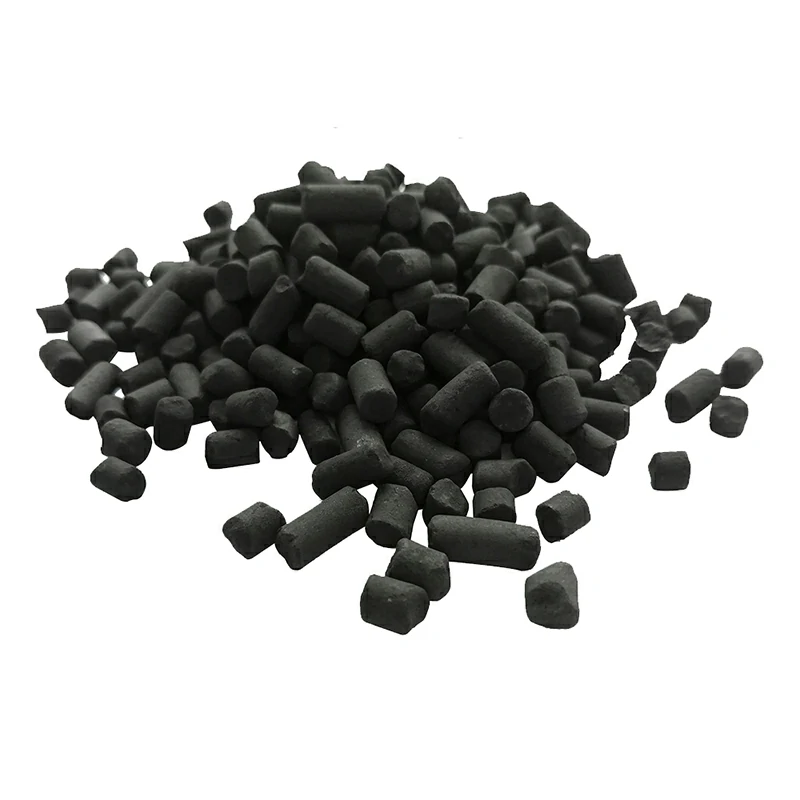
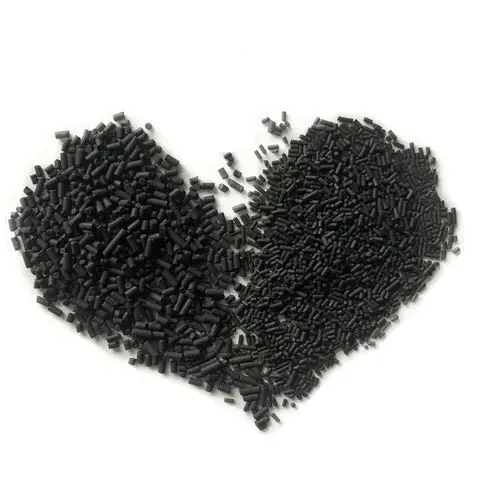
Adsorbents are the core components of a PSA nitrogen generator, directly influencing its performance and empty nitrogen ratio. The selection of adsorbents should consider factors such as their adsorption efficiency, adsorption capacity, and the stability of the catalyst. Different adsorbents have different adsorption performance for nitrogen gas and other gases. Choosing suitable adsorbents can improve the empty nitrogen ratio.
2. Inlet pressure and temperature of air
The inlet pressure and temperature of air have a significant impact on the empty nitrogen ratio. Generally, the higher the inlet pressure, the larger the nitrogen gas volume produced by the nitrogen generator, thereby increasing the empty nitrogen ratio. The inlet temperature will also affect the adsorption performance of the adsorbents. Different temperatures have different adsorption capabilities for the adsorbents, so it also affects the empty nitrogen ratio.
3. Number of adsorbent layers and cycle time
The adsorbents in a nitrogen generator are usually stacked in multiple layers. The properties of the catalyst in each layer may be different, and increasing the number of layers can improve the purity of nitrogen gas and the empty nitrogen ratio. At the same time, the cycle time also affects the charging and discharging time of the adsorbents. Shorter cycle times may result in incomplete release of gas from the adsorbents, thereby reducing the empty nitrogen ratio.
Methods to increase the empty nitrogen ratio
To increase the empty nitrogen ratio of a PSA nitrogen generator, the following measures can be taken:
1. Optimize the selection and properties of adsorbents, choose efficient adsorbents, and reasonably design the number of adsorbent layers and the ratio of catalysts to improve the adsorption efficiency and capacity of the adsorbents.
2. Control the inlet pressure and temperature, appropriately increase the inlet pressure and reduce the inlet temperature to increase the nitrogen gas volume produced by the nitrogen generator and improve the empty nitrogen ratio.
3. Adjust the cycle time reasonably to ensure that the charging and discharging time of the adsorbents is sufficient, avoiding short cycle times that may result in incomplete release of gas and thus lower the empty nitrogen ratio.
4. Regularly inspect and maintain the nitrogen generator equipment to ensure its normal operation and the good condition of the adsorbents to avoid the decrease in empty nitrogen ratio due to equipment failure or aging of the adsorbents.
Summary:
The nitrogen purity ratio is an important indicator for evaluating the performance of PSA nitrogen generators. It directly affects the efficiency and cost of producing pure nitrogen. Factors such as the type and properties of the adsorbent, the inlet pressure and temperature, the number of adsorption layers, and the cycle time all have an impact on the nitrogen purity ratio. To improve the nitrogen purity ratio, we can implement methods such as optimizing the selection of adsorbents, controlling the inlet conditions, adjusting the cycle time, and performing regular equipment maintenance. Only by fully considering these factors can we achieve the optimized operation and efficient nitrogen production of the PSA nitrogen generator.