Several methods for extracting nitrogen gas
Nitrogen (N₂) is the most abundant gas in the Earth’s atmosphere, accounting for approximately 78% of the total atmospheric volume. Due to its chemical inertness and stability, nitrogen has extensive applications in industries such as chemical engineering, food preservation, and electronic manufacturing. Extracting high-purity nitrogen is crucial for many industrial processes, making it important to understand the methods of nitrogen extraction. This article will introduce several common methods of nitrogen extraction, including the fractional distillation of liquid air, pressure swing adsorption, and membrane separation technologies, etc. one Fractionation of liquid air
Fractionation of liquid air is a traditional and widely used method for extracting nitrogen from air. This method is based on the difference in boiling points of various components in the air. The air is first compressed and cooled to a liquid state. Liquid air mainly consists of nitrogen, oxygen, and a small amount of rare gases. By gradually heating the liquid air, different components vaporize successively, thus achieving the separation of gases. Due to the boiling point of nitrogen being -196℃ and that of oxygen being -183℃, this temperature difference can effectively separate nitrogen from oxygen. This method can provide high-purity nitrogen, but it has high equipment investment and high energy consumption, and is suitable for large-scale industrial production. two Pressure Swing Adsorption (PSA)
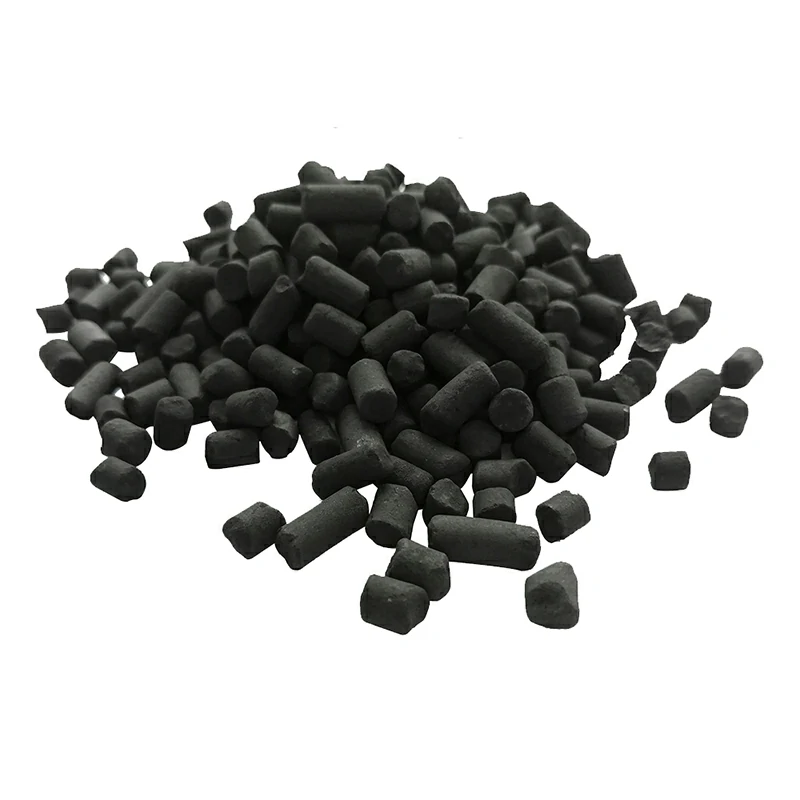
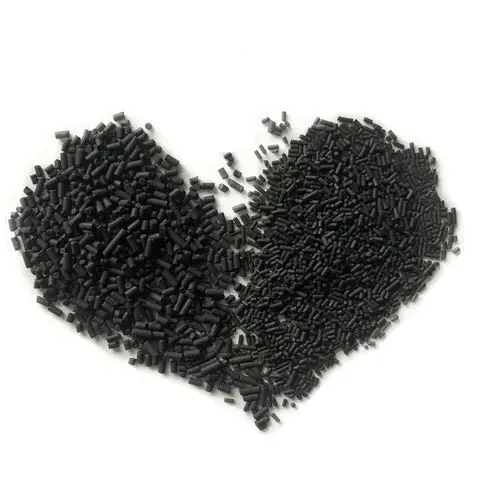
Pressure Swing Adsorption (PSA) is a technology that utilizes the differential selective adsorption capacity of adsorbents at different pressures to separate gases. In nitrogen extraction, carbon molecular sieves are commonly used as adsorbents. When air passes through the adsorption tower under high pressure, oxygen and water vapor are preferentially adsorbed by the carbon molecular sieves, while nitrogen is discharged at the top of the tower. When the adsorbent reaches saturation, the pressure is reduced, and the oxygen and water vapor adsorbed are released, allowing the adsorbent to regenerate. PSA technology has the advantages of simple equipment, convenient operation, and rapid startup, and is suitable for small-scale nitrogen demand.
III. Membrane Separation Technology
Membrane separation technology is a rapidly developing gas separation method. This technology utilizes the difference in permeation rates of different gases through membrane materials to achieve gas separation. For nitrogen extraction, hollow fiber membranes or roll-type membrane modules are typically used. Oxygen and water vapor, due to their small molecular size, have a fast permeation rate and pass through the membrane first, while nitrogen is retained, thereby increasing the purity of nitrogen. Membrane separation equipment is compact, operation is simple, and it is suitable for on-site nitrogen production and mobile nitrogen production. However, its gas production purity and output are limited by the performance of the membrane.
IV. Chemical Methods
In addition to physical separation methods, chemical methods are also a means of extracting nitrogen. For example, nitrogen can be produced by decomposing ammonia (NH₃) and generating nitrogen and hydrogen. This process is usually carried out at high temperatures and uses a catalyst to promote the reaction: 2NH₃ → N₂ + 3H₂. Another method is to use the reaction between nitrite and bisulfite to generate nitrogen. However, chemical methods are often complex in process, costly, and have difficulties in handling by-products, so they are less commonly used in industry and are typically used in laboratories or for special purposes.
Conclusion:
In conclusion, there are various methods for extracting nitrogen. Choosing the appropriate method requires comprehensive consideration of purity requirements, production demands, costs, and equipment conditions. Fractionation of liquid air is suitable for large-scale industrial production and can provide high-purity nitrogen; pressure swing adsorption technology is suitable for small and medium-sized demands and has the advantages of simple equipment and convenient operation; membrane separation technology is suitable for on-site and mobile nitrogen production, with compact equipment and simple operation. Although chemical methods are not commonly used in industrial production, they still have their application value under certain conditions. With the continuous advancement of technology, nitrogen extraction methods will become more efficient and economical, providing important support for the development of various industries.