A Comprehensive Analysis of the Nitrogen Generator Production Process: A Detailed Journey from Component Processing to Finished Product Delivery
In the industrial production field, the nitrogen generator is a key equipment for generating nitrogen gas, and is widely used in various industries such as electronics, chemicals, and food. The rigor and professionalism of its production process directly affect the performance of the equipment and the quality of nitrogen gas output. This article will take the Sheng’er 500 cubic mobile nitrogen generator as an example, deeply analyzing the complete production process from the welding of the base frame to the pre-shipment testing, allowing you to understand how the nitrogen generator transforms from scattered components to an efficient gas-producing device.
I. Foundation Establishment: Welding the Base Frame, Building a Strong Foundation
The production begins with the welding of the base frame. The base frame serves as the “skeleton” of the nitrogen generator, bearing the overall load-bearing and stability responsibilities of the equipment. When customizing the base frame, it is necessary to strictly follow the equipment design parameters and select compatible steel. During the welding process, welders must concentrate fully, control the weld quality, and ensure there are no bubbles or cracks. Even the slightest welding defect may cause the base frame to deform under stress during the long-term operation of the equipment, affecting the overall stability of the equipment. Therefore, this step is the foundation for ensuring that the nitrogen generator “stands firm”.
II. Precise Layout: Initial Positioning of the Equipment, Reserving Maintenance Space
After the welding of the base frame is completed, the initial positioning stage begins. The core task is to install the adsorption tower and other key components on the base frame through hoisting. During the operation, not only must the equipment spacing be sufficient to meet the requirements for later maintenance and repair, but the equipment pipelines must also be aligned horizontally to lay the foundation for subsequent pipeline connection and smooth gas flow. During the positioning process, pipeline welding is the key point. After welding, a shot blasting treatment is carried out to remove the surface oxide scale and impurities, followed by deep cleaning, and finally conducting a gas tightness test to ensure there is no leakage in the pipeline connection. This step is the key to ensuring the “internal passage” of the nitrogen generator is smooth.
III. Protection Upgrade: Rust Prevention Painting, Extending Equipment LifespanThe rust prevention painting process is the “protective suit” production process of the nitrogen generator. Before painting, the equipment surface needs to be thoroughly descaled. Methods such as sandblasting and grinding can be used to remove rust and oil stains, allowing the primer to adhere closely. Then, the base paint and topcoat are sprayed according to the process. The base paint provides basic rust protection, while the topcoat enhances protection and aesthetics. During the painting process, comprehensive protection must be ensured to avoid paint contamination of the key components of the equipment. This layer of “protective suit” can effectively resist environmental erosion and significantly extend the lifespan of the nitrogen generator.
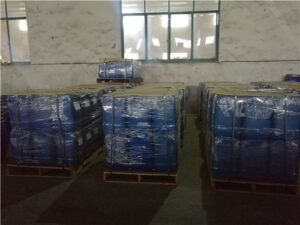
IV. Core Filling: Filling Molecular Sieves, Ensuring Nitrogen Generation Efficiency
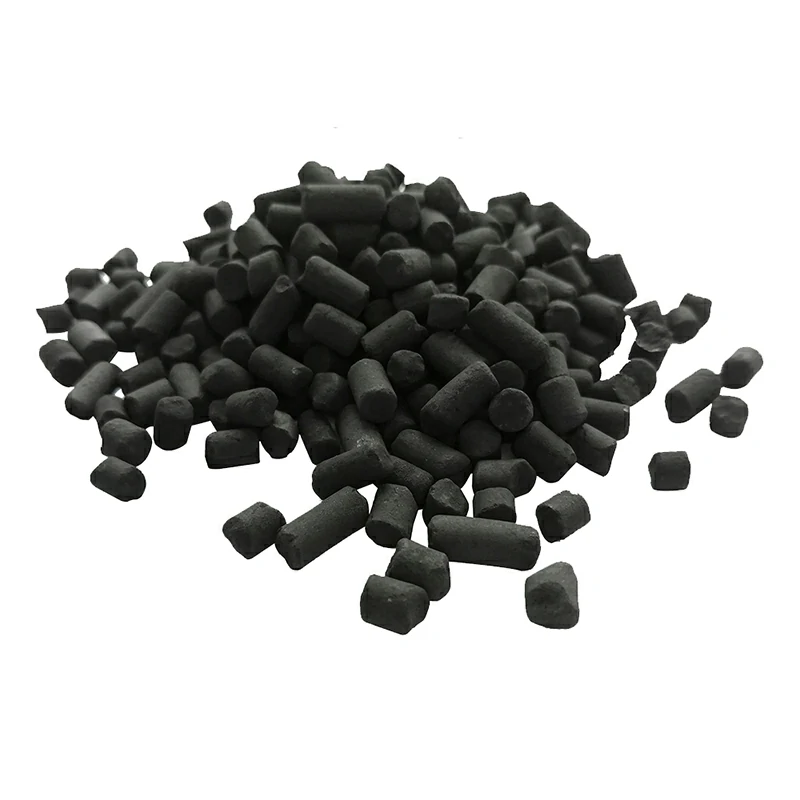
Filling molecular sieves is one of the core steps in the production of the nitrogen generator, which is related to the purity and efficiency of nitrogen gas production. Using a vibration platform, molecular sieves are filled into the adsorption tower. The filling volume and compactness must be strictly controlled. Insufficient filling volume will reduce the adsorption efficiency; non-compliant density may cause “bridging” of the molecular sieves, affecting the gas flow. Only when the molecular sieves are filled evenly and tightly can they efficiently adsorb oxygen in the subsequent operation and separate high-purity nitrogen gas, which is the key support for the “gas production capacity” of the nitrogen generator.
V. Fine Assembly: Pipeline and Auxiliary Equipment Assembly, Secondary Verification and Control
After the adsorption tower pipelines are painted, they need to be re-verified against the design drawings and strictly follow the inspection process. During the assembly, each pipeline connection and the installation of auxiliary equipment (such as stainless steel pipes, filters, flow meters, pressure gauges, etc.) must be inspected. At the same time, impurities must be blown off again, and a gas tightness test must be conducted to ensure the equipment is clean inside and the gas path is sealed. This is the secondary verification and control of the “internal operation” of the nitrogen generator, ensuring stable gas production after the equipment is put into use.
VI. Intelligent Debugging: Installing Control Cabinet and Preliminary Debugging, Giving the Equipment a “Brain”
Installing the control cabinet and conducting preliminary debugging is equivalent to giving the nitrogen generator a “brain”. Technicians need to precisely set the PLC parameters and establish the equipment’s automated control logic. During the trial operation phase, the nitrogen gas purity must be tested to ensure it meets the standards, and independent grounding must be confirmed to prevent leakage hazards. It is also necessary to verify the parameters of each nameplate to ensure the accuracy of the equipment information, so that the nitrogen generator can not only operate stably but also achieve intelligent control, and meet the requirements of modern industrial production.
VII. Final Quality Inspection: Pre-delivery Testing, Guarding Delivery Quality
The pre-delivery testing is the final checkpoint for the nitrogen generator to enter the market. Through simulating actual operating scenarios, it tests the stability and safety of the equipment, including continuous operation duration, nitrogen purity fluctuations, equipment noise, vibration, etc. Only when all tests are met, can the nitrogen generator be packaged and delivered. This step is responsible for the customers and ensures that the equipment delivered to the customers is reliable in performance and of high quality.
From the foundation construction of the welded chassis to the final quality inspection before delivery, the production process of the 500 cubic mobile nitrogen generator, every step embodies the wisdom of craftsmanship and the commitment to quality. It is precisely these interlocking and meticulous operations that enable the nitrogen generator to stably output high-purity nitrogen in industrial production, safeguarding the production of various industries, and also interpreting the profound connotation of “Quality is forged by details” in industrial equipment manufacturing.