What to do when the molecular sieve of a nitrogen generator fails?
A nitrogen generator is a device used to produce high-purity nitrogen, widely applied in industries such as chemical engineering, electronics, food, and medicine. In the core components of a nitrogen generator, the molecular sieve plays a crucial role, as it can separate oxygen and nitrogen in the air to obtain high-purity nitrogen. However, the failure of the molecular sieve is one of the main faults that may occur during the use of a nitrogen generator. If not handled in time, the failure of the molecular sieve will lead to a decrease in nitrogen purity, a decline in equipment efficiency, and even equipment shutdown. So, how should the failure of the molecular sieve in a nitrogen generator be dealt with?
1. Causes of molecular sieve failure
Molecular sieve failure is usually related to the usage environment, operating conditions, and the aging of the molecular sieve material. Common causes of failure include the following:
Reduced adsorption capacity of molecular sieve: After long-term operation, the surface adsorption capacity of the molecular sieve will gradually weaken, resulting in a decrease in the separation effect of nitrogen and oxygen, and the nitrogen purity cannot reach the expected requirements.
Oil contamination: If the air compressor produces oil mist and the filtering system fails to effectively block these oil droplets, oil will enter the molecular sieve, causing its pores to be clogged, thereby reducing the adsorption effect.
High humidity: If the moisture in the compressed air is not completely removed, the moisture will affect the working performance of the molecular sieve and even lead to permanent failure of the molecular sieve.
Molecular sieve aging: Molecular sieve is a material with a certain service life, and its adsorption performance will inevitably gradually decline over time.
2. How to determine molecular sieve failure
During the operation of a nitrogen generator, determining whether the molecular sieve has failed is the key to timely handling the problem. Usually, the following methods can be used for determination:
Decreased nitrogen purity: This is the most obvious manifestation. If the nitrogen purity is significantly lower than the set value of the equipment, it is likely that the adsorption capacity of the molecular sieve has weakened or failed.
Abnormal pressure of the adsorption tower: If the pores of the molecular sieve are blocked by oil or moisture, the pressure inside the adsorption tower may increase or decrease abnormally, which is also a signal of molecular sieve failure.
Shortened adsorption time: When the molecular sieve fails, its ability to adsorb oxygen decreases, resulting in a more frequent switching of the adsorption tower during the adsorption process, which will significantly shorten the adsorption time each time.
Increased energy consumption: As the molecular sieve fails, the nitrogen generator may require a higher amount of compressed air to maintain nitrogen purity, which will lead to increased energy consumption.
3. Methods for handling molecular sieve failure
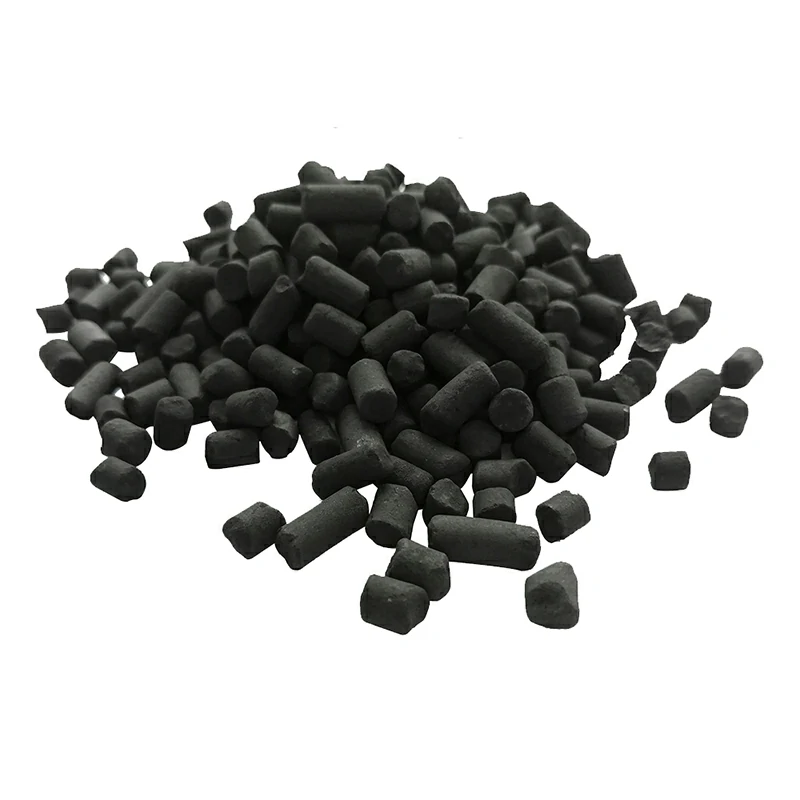
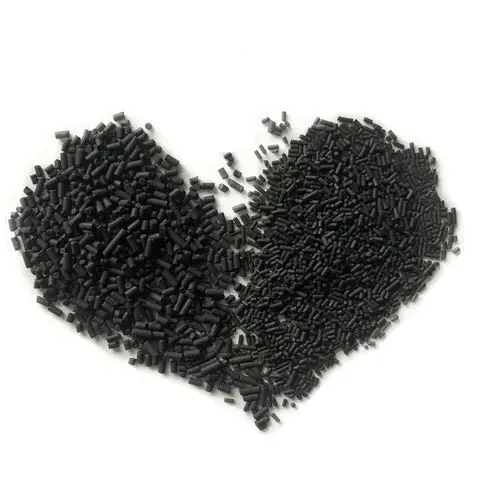
Replacement of molecular sieve: This is the most direct and effective method for handling the failure. When it is confirmed that the molecular sieve has failed and cannot restore its adsorption performance, it is recommended to replace the new molecular sieve. The new molecular sieve should be of the same model as the original equipment to ensure the normal operation of the nitrogen generator.
Cleaning of molecular sieve: If the failure of the molecular sieve is due to oil contamination or moisture blocking, cleaning can be attempted. During the cleaning process, special cleaning equipment and solvents should be used to remove the oil stains and impurities on the surface of the molecular sieve and perform thorough drying. However, cleaning the molecular sieve can only have a certain effect in mild blockages, and severely failed molecular sieves still require replacement.
Control of air quality: To extend the service life of the molecular sieve, special attention should be paid to the quality of compressed air during daily maintenance. Before the compressed air enters the nitrogen generator, ensure that it passes through an efficient filtration and drying system to prevent oil and moisture from entering the adsorption tower. Regular replacement of filters and drainage equipment is also key to maintaining air quality.
Adjusting operating parameters: The lifespan of the molecular sieve is closely related to the operating conditions of the nitrogen generator. Reasonable operating parameters, such as adsorption pressure and temperature, can slow down the aging process of the molecular sieve. Operators should regularly check and adjust the operating parameters of the equipment to ensure that the molecular sieve is always in the best working condition.
4. How to prevent the failure of the molecular sieve
Regular maintenance: The nitrogen generator needs regular maintenance to ensure its long-term stable operation. Regularly check the working condition of the molecular sieve and decide whether to replace it based on usage. In addition, maintaining the normal operation of the air filtration system and the drying system is crucial for preventing the failure of the molecular sieve.
Improving the quality of the air compressor: High-quality air compressors can effectively reduce the generation of oil and water, reducing the pollution of the molecular sieve at the source and extending its lifespan.
Correct startup and shutdown operations: Startup and shutdown processes are also important factors affecting the lifespan of the molecular sieve. Operators should operate in accordance with the requirements of the equipment manual to avoid frequent startups and shutdowns, thereby reducing the impact on the molecular sieve.
Monitoring the operating status of the equipment: Using advanced monitoring systems can monitor the operating status of the nitrogen generator in real time, including adsorption tower pressure, nitrogen purity, etc. By using these data, timely detect any abnormalities in the operation of the molecular sieve and take corresponding measures to avoid the impact of molecular sieve failure.
5. Summary
The molecular sieve is an indispensable core component in the nitrogen generator. The failure of the molecular sieve will directly affect the working efficiency of the nitrogen generator and the purity of the nitrogen gas. Understanding the causes of molecular sieve failure, the judgment methods, and the handling measures can help enterprises make preparations in advance for the maintenance of the nitrogen generator, reducing the risk of equipment failure. Through regular maintenance, controlling air quality, and operating the equipment correctly, the lifespan of the molecular sieve can be effectively extended, ensuring the long-term stable and efficient operation of the nitrogen generator.