Carbon Molecular Sieve vs Alternatives: Best PSA Nitrogen Generator Adsorbent in 2026
Is there a better alternative to carbon molecular sieve for PSA nitrogen generators? Explore CMS vs zeolite, MOFs, and advanced materials. Learn why CMS remains the best choice for high-purity nitrogen production.
Can Carbon Molecular Sieve Be Replaced? A Manufacturer’s Insight into PSA Nitrogen Generator Adsorbents
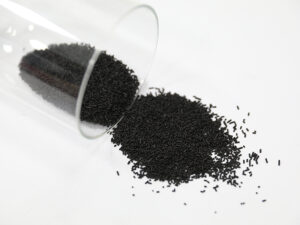
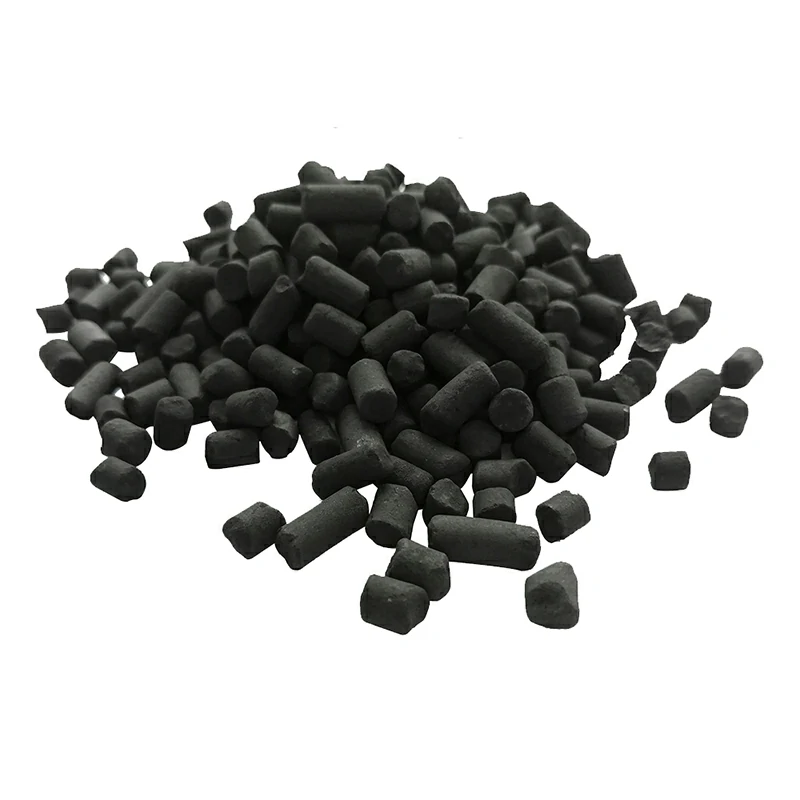
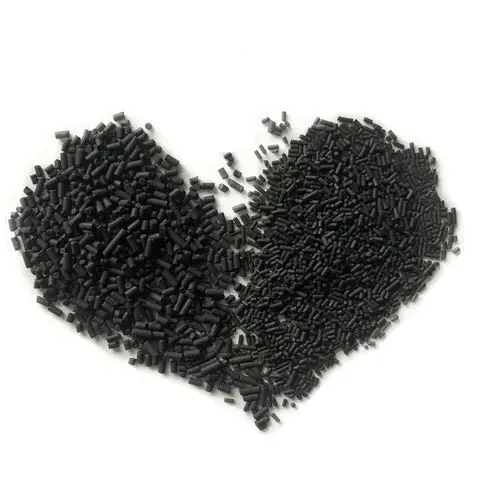
In the world of industrial nitrogen generation, Pressure Swing Adsorption (PSA) technology dominates due to its efficiency, flexibility, and cost-effectiveness. At the heart of this system lies one critical material: Carbon Molecular Sieve (CMS).
As a professional manufacturer of CMS, we are often asked:
“Is there any material that can replace carbon molecular sieve in nitrogen generators?”
The short answer: Not yet — and not completely.
But let’s explore this question in depth from a technical and commercial perspective.
Why Carbon Molecular Sieve Remains the Industry Standard
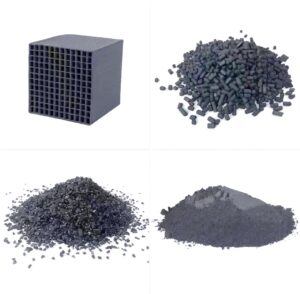
Carbon Molecular Sieve is specifically engineered with ultra-micropores (0.3–0.5 nm), perfectly designed to separate oxygen and nitrogen molecules based on kinetic diffusion differences.
Key Advantages of CMS:
- High Nitrogen Purity: Consistently achieves 99.9%–99.999% nitrogen
- Fast Adsorption/Desorption: Ideal for PSA cycles (30–120 seconds)
- Low Energy Consumption: No heating required for regeneration
- Excellent Mechanical Strength: Long service life under high الضغط cycling
- Cost Efficiency: Mature production process enables competitive pricing
These advantages make CMS the most reliable and cost-effective adsorbent for PSA nitrogen generators worldwide.
Potential Alternatives to Carbon Molecular Sieve
Although CMS dominates the market, several materials are being studied as potential alternatives.
1. Zeolite Molecular Sieves
Overview: Traditional microporous aluminosilicates widely used in gas separation.
Pros:
- High thermal stability (up to 500°C)
- Mature and widely available
Cons:
- Lower nitrogen purity (typically <98%)
- Higher regeneration energy (requires heating or vacuum)
- Sensitive to moisture
Best for: Low-purity nitrogen or high-temperature environments
Limitation: Cannot replace CMS in high-purity PSA systems
2. Metal-Organic Frameworks (MOFs)
Overview: Advanced porous crystalline materials with tunable structures.
Pros:
- Extremely high surface area
- Potentially superior selectivity
- Customizable pore design
Cons:
- Poor stability (sensitive to moisture and pressure)
- Very high production cost
- Weak mechanical strength
Status: Lab-scale / early-stage development
Limitation: Not yet viable for industrial PSA systems
3. Carbon Nanomaterials (CNTs, Graphene Aerogels)
Overview: Next-generation carbon-based materials with exceptional surface properties.
Pros:
- High adsorption capacity
- Tunable pore structures
Cons:
- Extremely expensive (up to 10× CMS cost)
- Difficult to scale production
- Agglomeration reduces efficiency
- Poor durability in PSA cycles
Status: Experimental
Limitation: Not commercially practical
4. Porous Polymers (PAFs, CMPs)
Overview: Organic materials with simple synthesis and good chemical stability.
Pros:
- Lower production cost
- Stable chemical properties
Cons:
- Low selectivity and adsorption capacity
- Limited to low-purity nitrogen applications
Best for: Food packaging, agricultural use
Limitation: Not suitable for industrial high-purity nitrogen
Can Any Material Fully Replace CMS?
From both technical performance and economic feasibility, the answer is clear:
No single material currently matches CMS in all aspects:
- Purity
- Energy efficiency
- Durability
- Cost
Most alternatives only outperform CMS in one specific area, but fail in overall system performance.
Future Trends: Enhancement Instead of Replacement
Rather than replacing CMS, the industry is moving toward:
1. Modified Carbon Molecular Sieves
- Improved pore size control
- Enhanced moisture resistance
- Better performance under extreme conditions
2. Composite Adsorbents
- CMS + MOFs hybrids
- Carbon + polymer composites
These approaches aim to enhance CMS performance, not replace it.
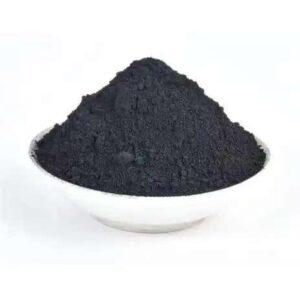
Why Choosing the Right CMS Supplier Matters
Since CMS remains irreplaceable in PSA nitrogen generation, selecting a reliable manufacturer is critical.
When choosing a CMS supplier, consider:
- Consistent pore size distribution
- High nitrogen output efficiency
- Long service life (≥3–5 years)
- Stable bulk density and strength
- Proven industrial references
Conclusion: CMS Is Still the Best Choice for PSA Nitrogen Generators
While new materials like MOFs and nanocarbons show exciting potential, they are not yet ready for industrial-scale nitrogen production.
Carbon Molecular Sieve remains the most practical, efficient, and economical solution for PSA nitrogen systems.
Looking for High-Performance Carbon Molecular Sieve?
As a professional CMS manufacturer, we provide:
- High purity nitrogen solutions (up to 99.999%)
- Customized grades for different PSA systems
- Stable quality with competitive pricing
- Fast global delivery
Contact us today to get a free technical consultation and quotation.