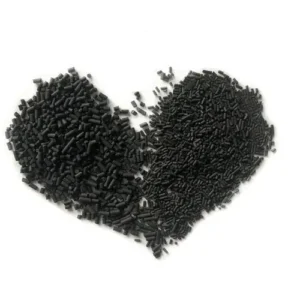
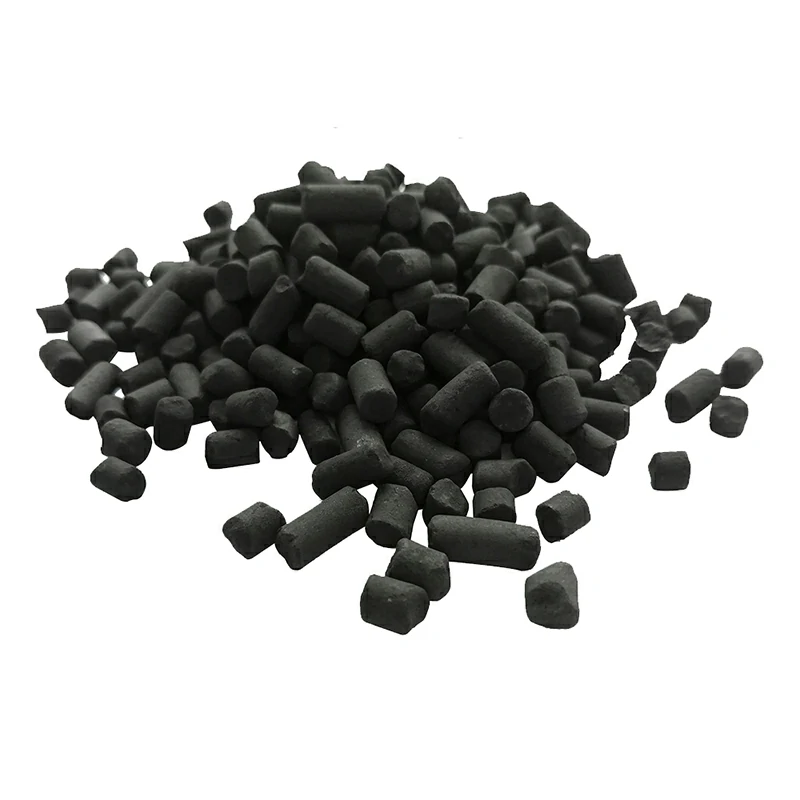
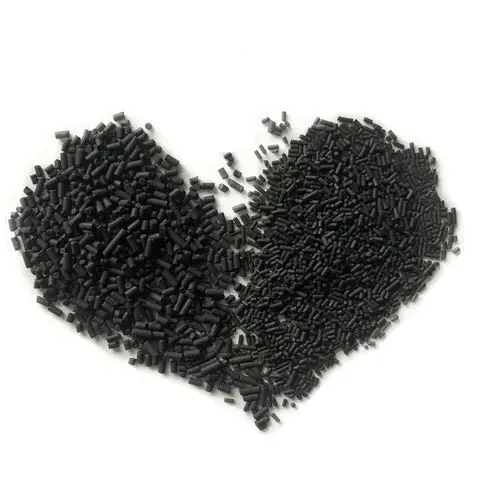
Carbon Molecular Sieve for PSA Nitrogen Generator | Improve Nitrogen Purity 99.999%
Learn how to choose the right carbon molecular sieve for PSA nitrogen generators to achieve 99%–99.999% nitrogen purity. Manufacturer guide covering separation factor, pore size, strength, regeneration, and moisture resistance.
How to Choose the Right Carbon Molecular Sieve for PSA Nitrogen Generators to Achieve Higher Nitrogen Purity
In a PSA nitrogen generator (Pressure Swing Adsorption system), the carbon molecular sieve (CMS) is the core material that determines nitrogen purity, nitrogen production efficiency, and long-term system stability.
As a professional carbon molecular sieve manufacturer, we often receive the same question from overseas customers:
How can we improve nitrogen purity in our PSA nitrogen generator?
The answer starts with selecting the right carbon molecular sieve.
In this guide, we will explain how to choose high-performance carbon molecular sieve for PSA systems to achieve nitrogen purity levels from 99% up to 99.999%, while maintaining long service life and stable performance.
Why Carbon Molecular Sieve Is Critical in PSA Nitrogen Generation
PSA nitrogen generators separate oxygen and nitrogen based on the difference in molecular diffusion rates. Oxygen molecules (0.346 nm) diffuse faster into the CMS micropores than nitrogen molecules (0.364 nm), enabling selective adsorption of oxygen and production of high-purity nitrogen.
The performance of the carbon molecular sieve directly affects:
- Nitrogen purity
- Nitrogen flow rate
- Air consumption ratio
- Energy efficiency
- CMS service life
- System stability
Choosing the wrong CMS can result in unstable purity, excessive air consumption, dusting, and short replacement cycles.
5 Key Technical Indicators for High-Purity Nitrogen Production
1. Nitrogen–Oxygen Separation Factor (Selectivity)
The separation factor is the most important indicator for nitrogen purity.
It represents the adsorption capacity ratio of oxygen to nitrogen under the same temperature and pressure conditions.
- Standard CMS: Separation factor 3–4
- High-performance CMS: Separation factor ≥5
If your target is:
- 99%–99.5% nitrogen purity → Standard CMS is sufficient
- 99.99%–99.999% nitrogen purity → Choose high selectivity CMS (≥5)
A higher separation factor means stronger oxygen adsorption and better nitrogen purity stability.
2. Micropore Size Distribution
Effective pore size must match oxygen and nitrogen molecular diameters precisely.
Ideal pore diameter range:
0.35–0.40 nm with uniform distribution
If pore size is:
- Too small → Oxygen cannot enter efficiently
- Too large → Nitrogen will also be adsorbed
Both situations reduce nitrogen purity.
High-quality carbon molecular sieve should have a narrow pore size distribution curve to ensure precise kinetic separation.
3. Compressive Strength and Attrition Resistance
PSA systems operate under frequent pressure cycling:
- Adsorption pressure: 0.6–1.0 MPa
- Regeneration pressure: 0.05–0.1 MPa
Weak CMS will break under pressure shock, producing dust that:
- Blocks airflow
- Reduces adsorption efficiency
- Causes purity fluctuation
Recommended performance:
- Compressive strength ≥ 90%
- Crushing rate ≤ 10%
Industrial-grade CMS should maintain structural integrity after long-term cycling.
4. Regeneration Performance
PSA nitrogen production relies on rapid adsorption and complete regeneration.
Poor regeneration leads to:
- Residual oxygen accumulation
- Gradual purity decline
- Increased air consumption
High-performance carbon molecular sieve should have:
- Fast desorption rate
- Residual oxygen ≤ 5% of initial adsorption capacity
Stable regeneration ensures long-term nitrogen purity consistency.
5. Moisture and Impurity Resistance
Carbon molecular sieve is sensitive to moisture.
If inlet compressed air contains high humidity:
- Water occupies micropores
- Oxygen adsorption decreases
- Nitrogen purity drops
For humid or harsh industrial environments, choose:
- Hydrophobic modified CMS
- Impurity-resistant CMS (CO₂ and hydrocarbon tolerant)
Proper air pre-treatment (dryer + filters) is also essential for protecting CMS lifespan.
How to Match CMS to Your Nitrogen Purity Requirement
Standard Nitrogen (99%–99.5%)
- Separation factor 3–4
- Cost-effective solution
- Suitable for general industrial use
High Purity Nitrogen (99.99%–99.999%)
- Separation factor ≥5
- Excellent regeneration performance
- Narrow pore distribution
Ultra High Purity (99.9995%+)
- High-performance CMS
- Additional purification system required
Selecting CMS beyond your required purity level only increases cost without improving ROI.
Common Mistakes When Choosing Carbon Molecular Sieve
❌ Focusing only on separation factor
❌ Ignoring mechanical strength
❌ Over-specifying purity level
❌ Choosing unverified products without industrial references
Carbon molecular sieve performance must be evaluated comprehensively, not based on a single parameter.
How We Ensure High Nitrogen Purity for Our Customers
As a professional carbon molecular sieve manufacturer for PSA nitrogen generators, we provide:
- High selectivity CMS for 99%–99.999% nitrogen production
- Strict pore size control technology
- High compressive strength formulation
- Stable regeneration performance
- Hydrophobic and customized solutions
- Industrial validation and performance testing
Before mass supply, we recommend small-scale PSA simulation testing to ensure compatibility with your nitrogen generation system.
Conclusion
To improve nitrogen purity in a PSA nitrogen generator, carbon molecular sieve selection must focus on:
- Separation factor
- Micropore distribution
- Mechanical strength
- Regeneration efficiency
- Moisture resistance
The right CMS not only increases nitrogen purity but also reduces operating costs and extends system lifetime.
If you are looking for a reliable carbon molecular sieve supplier for PSA nitrogen generation, contact our technical team for customized recommendations and samples.
Upgrade your nitrogen purity. Improve your system efficiency. Partner with a professional CMS manufacturer.