Carbon Molecular Sieve Regeneration Methods for PSA Nitrogen Generators | Manufacturer Guide
Learn the best carbon molecular sieve regeneration methods for PSA and VPSA nitrogen generators. Improve nitrogen purity, extend CMS lifespan, and optimize performance with expert insights from a professional manufacturer.
Carbon Molecular Sieve Regeneration Methods for PSA Nitrogen Generators
By a Professional Carbon Molecular Sieve Manufacturer
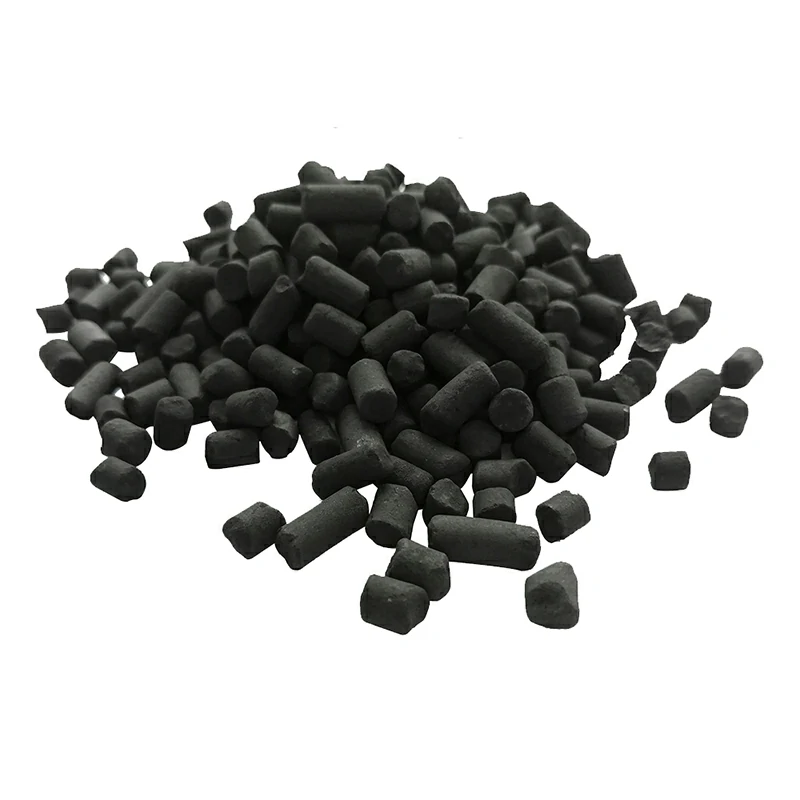
Carbon Molecular Sieve (CMS) is the core adsorbent used in PSA (Pressure Swing Adsorption) nitrogen generators. It selectively adsorbs oxygen, carbon dioxide, and trace impurities from compressed air to produce high-purity nitrogen.
However, once the CMS becomes saturated, efficient regeneration is essential to restore its adsorption capacity and maintain continuous nitrogen production. Choosing the right regeneration method directly impacts nitrogen purity, system efficiency, and CMS lifespan.
In this guide, we explain the most effective carbon molecular sieve regeneration methods, optimized for industrial nitrogen generation systems.
1. Pressure Swing Regeneration (PSA – Standard Method)
Pressure swing regeneration is the fundamental regeneration method used in all PSA nitrogen generators.
How It Works
During adsorption, CMS operates under high pressure (0.6–1.0 MPa) to capture oxygen. Regeneration is achieved by rapidly reducing the pressure to atmospheric or slight vacuum (0.01–0.05 MPa), causing oxygen molecules to desorb.
Key Advantages
- Simple and reliable
- Low operational complexity
- Essential for continuous PSA cycling
Operational Tips
- Maintain a controlled depressurization rate to prevent CMS attrition
- Lower final pressure improves regeneration but increases energy consumption
- Ensure proper valve timing for stable cycling
2. Nitrogen Purge Regeneration (Efficiency Enhancement)
Nitrogen purge is widely used as an auxiliary regeneration method to improve efficiency.
How It Works
A portion (5–15%) of dry product nitrogen is introduced in reverse flow to purge the adsorption bed. This reduces oxygen concentration and accelerates desorption through concentration gradient effects.
Key Benefits
- Faster regeneration cycles
- Improved bed uniformity
- Enhanced nitrogen purity
Operational Tips
- Use nitrogen with dew point ≤ -40°C
- Optimize purge flow rate to avoid product gas loss
- Ideal for systems with short cycle times
3. Vacuum Desorption (VPSA – High Purity Solution)
Vacuum Pressure Swing Adsorption (VPSA) systems use deep vacuum regeneration to achieve higher performance.
How It Works
A vacuum pump reduces pressure to -0.06 to -0.08 MPa, significantly lowering oxygen adsorption equilibrium and enabling deeper desorption.
Key Advantages
- Achieves ultra-high nitrogen purity (up to 99.9995%)
- Lower energy consumption compared to high-pressure PSA
- Suitable for low-pressure air supply systems
Operational Tips
- Maintain stable vacuum levels
- Regularly service vacuum pumps
- Ensure bed structure supports negative pressure
4. Thermal Regeneration (For Contaminated CMS)
When CMS is exposed to oil vapor, hydrocarbons, or excess moisture, standard regeneration methods may not be sufficient.
How It Works
The CMS is heated to 80–120°C (maximum 150°C) while purging with dry inert gas to remove strongly adsorbed contaminants.
Key Benefits
- Restores adsorption performance
- Extends CMS service life
- Effective for contaminated systems
Operational Tips
- Heat slowly (1–2°C/min) to avoid structural damage
- Never exceed 150°C
- Cool down completely before reuse
Key Factors for Effective CMS Regeneration
To maximize performance and longevity of your carbon molecular sieve, pay attention to the following:
1. Dryness Control
Moisture is the biggest enemy of CMS.
- Regeneration gas dew point must be ≤ -40°C
- Install reliable air dryers and filters
2. Contamination Prevention
- Ensure oil-free compressed air
- Use high-efficiency filtration systems
3. Parameter Optimization
Adjust based on operating conditions:
- Cycle time
- Air humidity
- Flow rate
4. Performance Monitoring
Track system indicators such as:
- Nitrogen purity
- Pressure fluctuations
- Cycle stability
Why Proper Regeneration Matters
Effective regeneration ensures:
- Stable nitrogen purity
- Lower energy consumption
- Extended CMS lifespan (typically 5–8 years)
- Reduced maintenance costs
Poor regeneration, on the other hand, leads to rapid performance degradation and premature replacement.
Manufacturer’s Recommendation
As a professional carbon molecular sieve manufacturer, we recommend:
- PSA systems: Pressure swing + nitrogen purge
- VPSA systems: Vacuum desorption for high purity
- Contaminated CMS: Apply thermal regeneration carefully
Selecting the right regeneration strategy based on your application will significantly improve your nitrogen generation efficiency and ROI.
Looking for High-Performance Carbon Molecular Sieve?
We supply premium-grade carbon molecular sieve designed for:
- High nitrogen purity
- Long service life
- Stable performance under demanding conditions
Contact us today to get expert recommendations tailored to your nitrogen generator system.
Keywords optimized in this article:
carbon molecular sieve regeneration, PSA nitrogen generator, CMS regeneration methods, VPSA nitrogen system, nitrogen generator adsorbent, molecular sieve regeneration, nitrogen production technology