Carbon Molecular Sieve Temperature Control in Nitrogen Generators | PSA Nitrogen System Optimization
Learn how to control adsorption temperature of carbon molecular sieve in PSA nitrogen generators. Improve nitrogen purity, extend CMS lifespan, and optimize industrial nitrogen production.
carbon-molecular-sieve-temperature-control-psa-nitrogen-generator

Carbon Molecular Sieve Temperature Control in PSA Nitrogen Generators
Manufacturer’s Guide to Stable Nitrogen Production & Longer CMS Lifespan
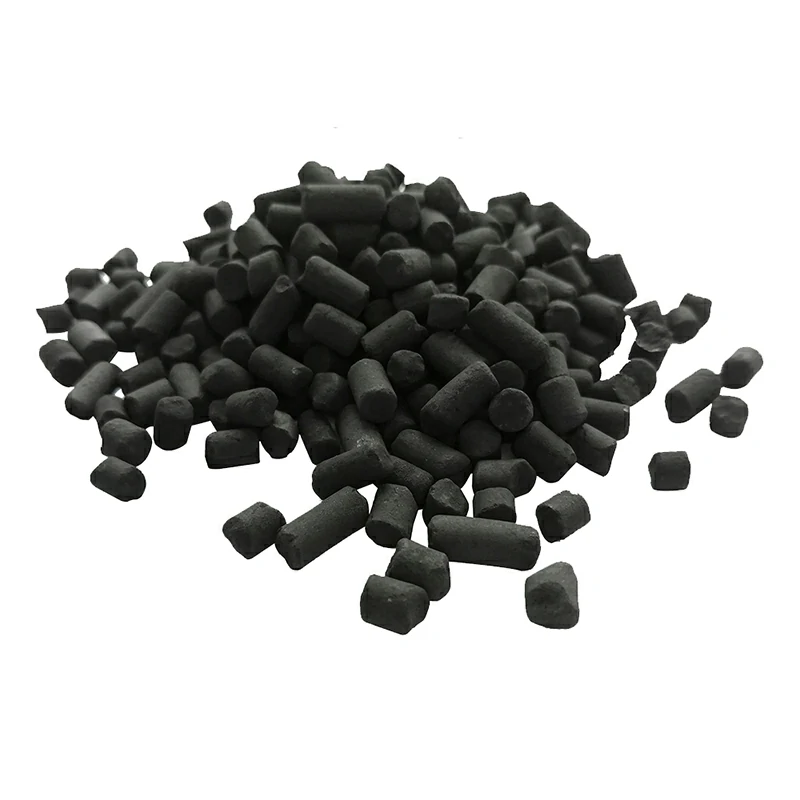
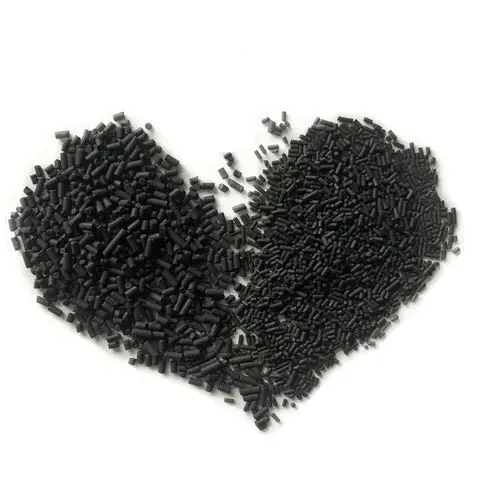
In modern industrial nitrogen generation, carbon molecular sieve (CMS) plays a decisive role in determining nitrogen purity, output, and system efficiency. As a professional manufacturer of nitrogen generation solutions, we know that adsorption temperature control is one of the most critical factors affecting CMS performance.
If temperature is too high, adsorption capacity drops. If too low, moisture risks increase. Proper control ensures stable nitrogen purity (up to 99.999%), extended CMS life, and reduced operational costs.
This guide explains how to effectively control CMS adsorption temperature and optimize your PSA nitrogen generator.
Why Adsorption Temperature Matters in Carbon Molecular Sieve
The adsorption process inside a PSA nitrogen generator is exothermic. When compressed air enters the adsorption tower:
- Oxygen is selectively adsorbed by CMS
- Heat is released → temperature rises
- During regeneration, heat is absorbed → temperature drops
Key Impacts of Temperature:
1. Reduced Adsorption Capacity
For every 10°C increase, oxygen adsorption drops by 10–15%, leading to:
- Lower nitrogen purity
- Reduced nitrogen output
2. Accelerated CMS Aging
- Optimal range: 30–40°C
- Above 60°C → structural damage
- CMS lifespan drops from 3–5 years to 1–2 years
3. Moisture Condensation Risk
- Below 10°C → water condensation
- Leads to pore blockage and reduced efficiency
Key Strategies for Controlling CMS Adsorption Temperature
1. Compressed Air Pretreatment (Critical First Step)
The temperature of incoming compressed air directly affects adsorption performance.
Best Practices:
- Use aftercoolers (air-cooled or water-cooled)
- Reduce air temperature from 80–120°C → below 40°C
- Install air dryers
- Refrigerated dryer: dew point 2–10°C
- Desiccant dryer for deeper drying
- Add precision filters
- Remove oil, dust, and contaminants
Stable inlet temperature = stable CMS performance
2. Real-Time Temperature Monitoring in Adsorption Towers
Temperature distribution inside the tower is uneven and dynamic.
Recommended Setup:
- Install Pt100 sensors at:
- Air inlet
- Middle of CMS bed
- Gas outlet
- Integrate with PLC control system
Control Actions:
- Alarm when temperature > 50°C
- Automatically:
- Reduce airflow
- Adjust pressure
- Switch towers earlier
3. Optimize PSA Regeneration Temperature
Efficient regeneration restores CMS adsorption capacity.
For PSA Nitrogen Systems:
- Use pressure swing + nitrogen purge
- Control purge gas:
- Flow rate: 10–15% of total output
- Temperature: near ambient
⚠ Avoid:
- Overheating → damages CMS
- Too cold → causes condensation
4. Maintain Stable Ambient Temperature
Environmental conditions directly influence system stability.
Recommended Conditions:
- Room temperature: 15–35°C
Solutions:
- Install ventilation or air conditioning
- Use insulation on adsorption towers
- Avoid direct sunlight exposure
5. Dynamic Operation Parameter Adjustment
Smart operation improves thermal balance.
Key Controls:
- Flow rate:
- Avoid overload (≤120% of design capacity)
- Pressure:
- Maintain 0.6–0.8 MPa
- Cycle time:
- Extend switching time (e.g., 60s → 90s)
- Allows better heat dissipation
Emergency Handling of Temperature Abnormalities
If Temperature is Too High:
- Reduce air flow immediately
- Check:
- Cooler performance (clean heat exchangers)
- Dryer condition (replace filters if needed)
- Stop heating during regeneration
If Temperature is Too Low:
- Increase ambient temperature
- Adjust dryer settings (dew point > 5°C)
- Prevent moisture condensation
Why Temperature Control Matters for Buyers
From a manufacturer’s perspective, proper CMS temperature control delivers:
- ✅ Higher nitrogen purity (up to 99.999%)
- ✅ Longer CMS lifespan (+1–2 years)
- ✅ Lower maintenance costs
- ✅ Stable and reliable operation
For industrial users, this translates into higher ROI and reduced downtime.
Looking for High-Performance Carbon Molecular Sieve?
As a trusted manufacturer, we provide:
- Premium-grade carbon molecular sieve (CMS)
- Optimized for PSA nitrogen generators
- High adsorption efficiency & long service life
- Technical support for system optimization
Whether you are upgrading an existing nitrogen generator or sourcing CMS for a new project, we can help you achieve maximum efficiency and reliability.
Final Thoughts
Temperature control is not just a technical detail—it is the core factor that determines the success of your nitrogen generation system.
By combining:
- Proper air pretreatment
- Real-time monitoring
- Optimized regeneration
- Stable operating conditions
you can significantly improve system performance and extend CMS life.
Contact us today to get expert guidance and high-quality carbon molecular sieve tailored to your nitrogen generation needs.