How to Improve Nitrogen Purity in PSA Nitrogen Generators | Carbon Molecular Sieve Manufacturer Guide
Learn how to improve nitrogen purity in PSA nitrogen generators using high-quality carbon molecular sieves, optimized parameters, and system design. Expert tips from a leading manufacturer.
How to Improve Nitrogen Purity in PSA Nitrogen Generators: A Manufacturer’s Guide
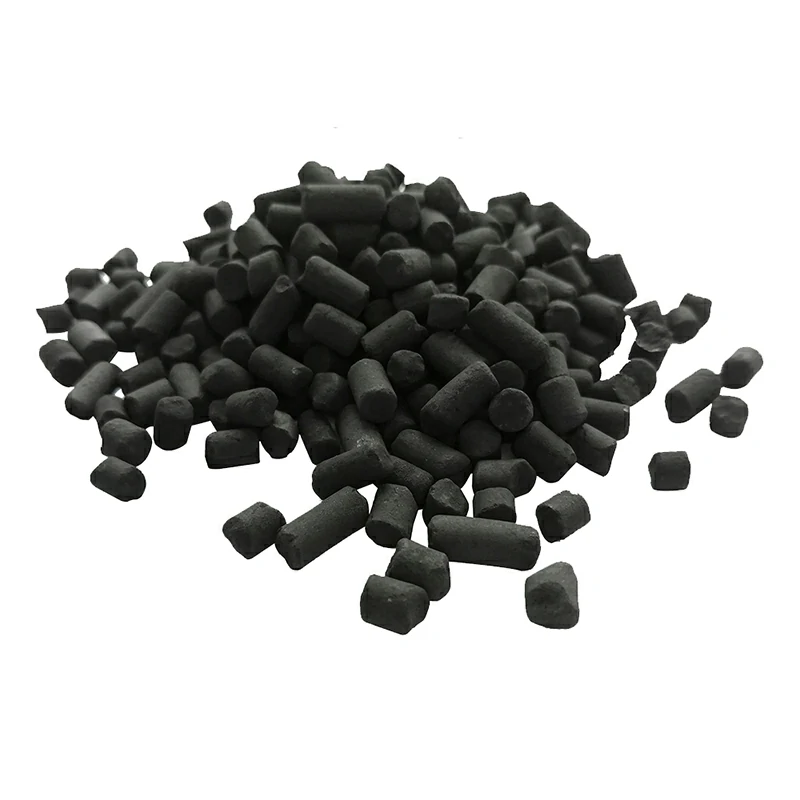
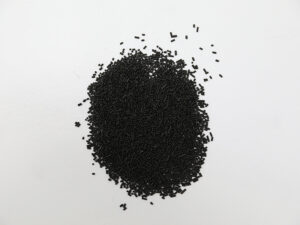
In PSA (Pressure Swing Adsorption) nitrogen generators, carbon molecular sieve (CMS) is the core material responsible for oxygen and nitrogen separation. The quality of CMS, combined with system design and operational control, directly determines the final nitrogen purity.
As a professional carbon molecular sieve manufacturer, we understand that achieving high-purity nitrogen (up to 99.999%) requires a combination of material selection, system optimization, and proper maintenance.
In this guide, we’ll walk you through proven strategies to maximize nitrogen purity and system performance.
1. Choose High-Quality Carbon Molecular Sieve
The foundation of high nitrogen purity starts with the right CMS.
Key factors to consider:
- Uniform pore size distribution (0.3–0.5 nm)
- High micropore volume (≥90%)
- Strong mechanical strength
- High adsorption capacity for oxygen
Low-quality CMS can lead to:
- Pore blockage
- Powdering and attrition
- Reduced separation efficiency
Pro Tip:
Always source CMS from a reliable manufacturer with strict quality control and consistent batch performance.
2. Proper Activation of New CMS
Before initial operation, CMS must be properly activated.
Recommended activation process:
- Temperature: 150–200°C
- Gas: Nitrogen or inert gas
- Duration: 2–4 hours
This removes:
- Moisture
- Organic residues
- Manufacturing impurities
Proper activation ensures:
- Fully open micropores
- Maximum adsorption efficiency from day one
3. Optimize PSA Operating Parameters
Fine-tuning system parameters is critical for maintaining high nitrogen purity.
(1) Pressure Control
- Adsorption pressure: 0.6–0.8 MPa
- Desorption pressure: ≤0.05 MPa
Too high → CMS overload
Too low → insufficient adsorption
(2) Cycle Time Adjustment
Typical PSA cycle: 60–120 seconds
- Too long → oxygen breakthrough
- Too short → reduced productivity
Use online nitrogen analyzers to dynamically adjust cycle timing.
(3) Air Flow Rate
- Recommended velocity: 0.1–0.3 m/s
- Contact time: ≥ 1.5 seconds
Balanced airflow ensures:
- Efficient gas separation
- Stable nitrogen purity
4. Improve Air Pretreatment System
Impurities are the biggest threat to CMS performance.
Essential pretreatment steps:
- Air filters → remove dust (≥1 μm)
- Refrigerated + desiccant dryers → dew point ≤ -40°C
- Activated carbon filters → oil removal ≤ 0.01 mg/m³
Why it matters:
- Water blocks CMS pores
- Oil creates irreversible contamination
- Dust causes channel clogging
A proper pretreatment system significantly extends CMS lifespan.
5. Upgrade PSA System Design (Multi-Tower Systems)
Traditional dual-tower systems can cause purity fluctuations.
Recommended solution:
- 3-tower or 4-tower PSA systems
- Include pressure equalization steps
Benefits:
- More stable pressure transitions
- Reduced nitrogen loss
- Purity fluctuation controlled within ±0.1%
6. Maintenance and CMS Regeneration
Regular maintenance is essential for long-term performance.
Maintenance tips:
- Inspect CMS every 3–6 months
- Replace top 10–20% if powdering occurs
- Monitor pressure drop (increase ≥0.1 MPa = warning sign)
Regeneration methods:
- Nitrogen backflow purge (10–15% of output)
- Thermal regeneration (180–200°C) if performance declines
7. Avoid System Overload
Always operate within design limits:
- Airflow deviation: ≤ ±5%
Overloading leads to:
- Rapid CMS saturation
- Sudden purity drop
- Shortened service life
8. Secondary Purification for Ultra-High Purity Nitrogen
For applications requiring 99.999%+ nitrogen, consider additional purification:
(1) Catalytic Deoxygenation
Reaction:
O₂ + 2H₂ → 2H₂O
- Removes residual oxygen
- Final purity: up to 99.9995%
(2) Membrane Polishing
- Further separates trace oxygen
- Ideal for low-flow, high-purity applications
Why Choose Our Carbon Molecular Sieve?
As a trusted CMS manufacturer, we provide:
- Consistent pore structure for stable purity
- High crush strength and low dust formation
- Long service life with minimal degradation
- Custom solutions for PSA nitrogen systems
Our CMS is widely used in:
- Electronics manufacturing
- Food packaging
- Chemical processing
- Oil & gas industries
Conclusion
Improving nitrogen purity in PSA systems is a complete system optimization process, involving:
- High-quality carbon molecular sieve
- Precise operational control
- Advanced system design
- Proper maintenance and regeneration
By optimizing every step—from material selection to system operation—you can achieve stable, high-purity nitrogen output and maximize your ROI.
Looking for Reliable Carbon Molecular Sieve?
Contact us today for:
- Technical consultation
- Free CMS samples
- Customized PSA solutions
We help you achieve higher purity, longer lifespan, and better performance.