Nitrogen generator exhaust emission methods and treatment methods as well as the later purification treatment of nitrogen gas
I. Exhaust emission methods of nitrogen generator
The exhaust gas produced during the production process of the nitrogen generator is mainly a mixture of gaseous nitrogen and oxygen. It can be discharged in various ways. The common methods are as follows.
1. Direct discharge: The exhaust gas is discharged outdoors and mixed with the surrounding air to reduce the impact on the environment.
2. Reuse: The exhaust gas is collected for secondary use, which can reduce energy consumption and environmental pollution.
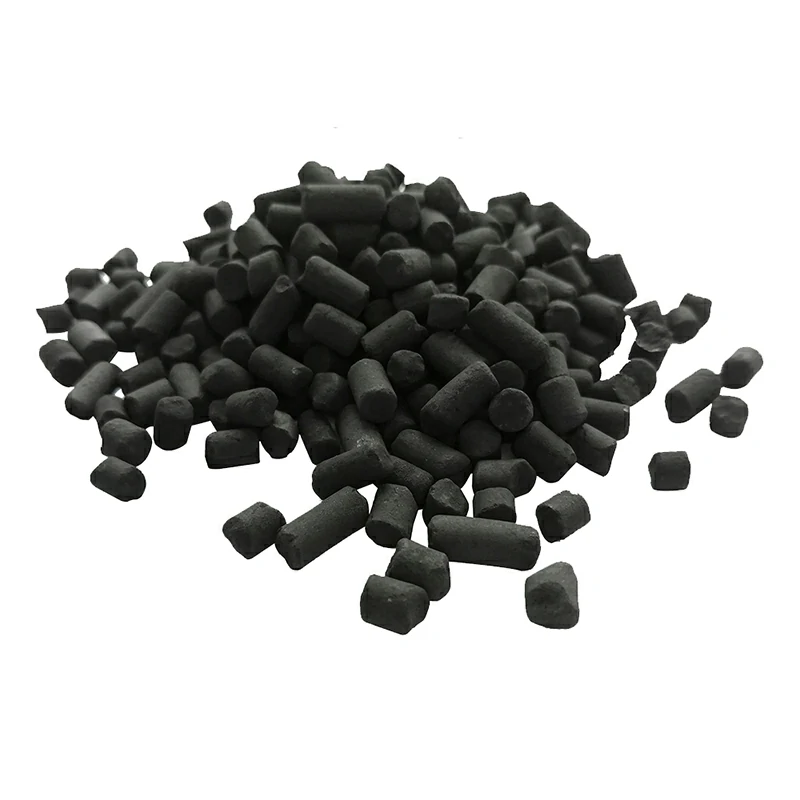
3. Treatment and discharge after purification: Use purification equipment (such as activated carbon, adsorption tower) to purify the exhaust gas and remove harmful gases, and then discharge the treated gas outdoors.
II. Exhaust treatment methods of nitrogen generator
1. High-temperature combustion method: The nitrogen-oxygen mixture is treated by high-temperature combustion, which can separate the oxygen and nitrogen in the exhaust gas and reduce the impact on the environment.
2. Catalytic oxidation method: The organic waste gas or other harmful substances in the exhaust gas are oxidized by catalysts, converting them into harmless substances and discharging them outdoors.
3. Adsorption method: Use activated carbon, adsorption tower, etc. as materials to adsorb the exhaust gas, removing harmful gases and achieving purification.
4. Microbial method: Degrad the organic substances in the exhaust gas to inorganic substances, and then discharge.
In summary, the treatment methods and discharge methods of the exhaust gas from the nitrogen generator need to be selected according to the actual situation, and also need to comply with relevant environmental protection laws and regulations of the country, controlling the exhaust gas within a certain range to protect the environment.
The later purification treatment of the nitrogen gas produced by the nitrogen generator is mainly configured according to the usage scenario and purity requirements. The common methods are as follows:
Nitrogen gas purification method introduction
I. Membrane separation
Membrane separation refers to a separation technology that utilizes the characteristics of the membrane surface to separate substances with different physical or chemical properties. It is suitable for the purification of nitrogen and oxygen gases in air separation and has the advantages of fast separation speed, small equipment volume, and low energy consumption.
II. Adsorbent
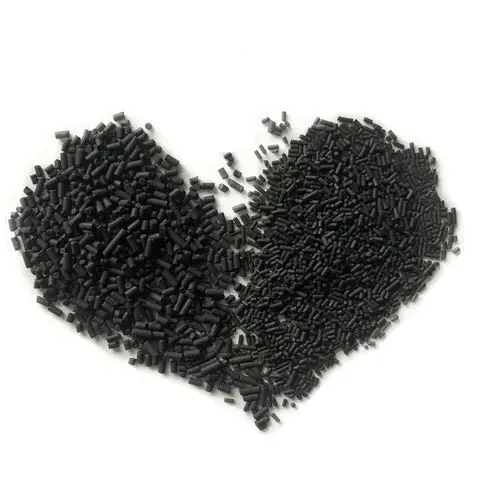
Adsorbent refers to a solid or liquid material with strong surface physicochemical adsorption capacity, which can adsorb target substances. It is suitable for the removal of impurities in nitrogen gas. Common adsorbents include activated carbon, molecular sieve, etc. They can adsorb harmful gases through physical or chemical adsorption, achieving purification of nitrogen gas.
III. Cooling
The temperature reduction of nitrogen gas will cause the reduction of impurities such as water and oil. Therefore, cooling is one of the common methods for nitrogen gas purification. There are two main cooling methods: one is to cool the nitrogen gas to a low temperature by using a compressor, condensing the impurities, and then filtering them out; the other is to cool the nitrogen gas to a low temperature by using a refrigeration machine or refrigerant, and then separating the liquid impurities from the nitrogen gas.
IV. Liquid filling
Liquid filling refers to filling liquid materials in the nitrogen gas to utilize the relative solubility difference, causing impurities to interact with the liquid materials, thereby completing their purification. Common liquid filling materials include liquid oxygen, liquid nitrogen, etc. In addition, according to requirements, appropriate amounts of hydrogen or carbon dioxide can be added to improve the purity of nitrogen gas.
In conclusion, there are many methods for nitrogen gas purification, and each method has its applicable range and advantages. Specific selection should be made according to the actual situation. In the actual application process, it is also necessary to pay attention to the combination use of different methods and the processing sequence to achieve the best purification effect.