Nitrogen Generator Safety and Fault Prevention Guide in Low Temperature Environments
In low-temperature environments, nitrogen generators face risks such as ice blockages, adsorbent pulverization, and difficult startup. Ensuring dry air, enhancing equipment insulation, and standardizing operation procedures are crucial. Systematic preventive measures can guarantee stable equipment operation and prevent production disruptions.
As the ambient temperature drops, nitrogen generation equipment in various industries faces unique risks of operation in low temperatures. Among them, nitrogen generators, especially the widely used(PSA) type, are particularly vulnerable in low-temperature conditions due to their critical role as an air source guarantee. The performance and safety of these generators are particularly fragile in low temperatures. Low temperatures not only directly cause performance degradation of the equipment but also trigger a series of chain reactions, ranging from slight operational inefficiency to severe equipment damage and safety accidents. This article aims to systematically analyze the specific impacts of low-temperature environments on the operational efficiency and reliability of nitrogen generators, and establish effective prevention and response strategies for their safe winter operation.
I. Core Risks of Nitrogen Generators in Low-Temperature Environments
1. Pipe and Component Ice Blockages: The most common and harmful problem. Liquid water in compressed air freezes in precision filters, control valves, and narrow pipes at low temperatures, causing air flow blockages, abnormal pressure increases, or malfunction of components.
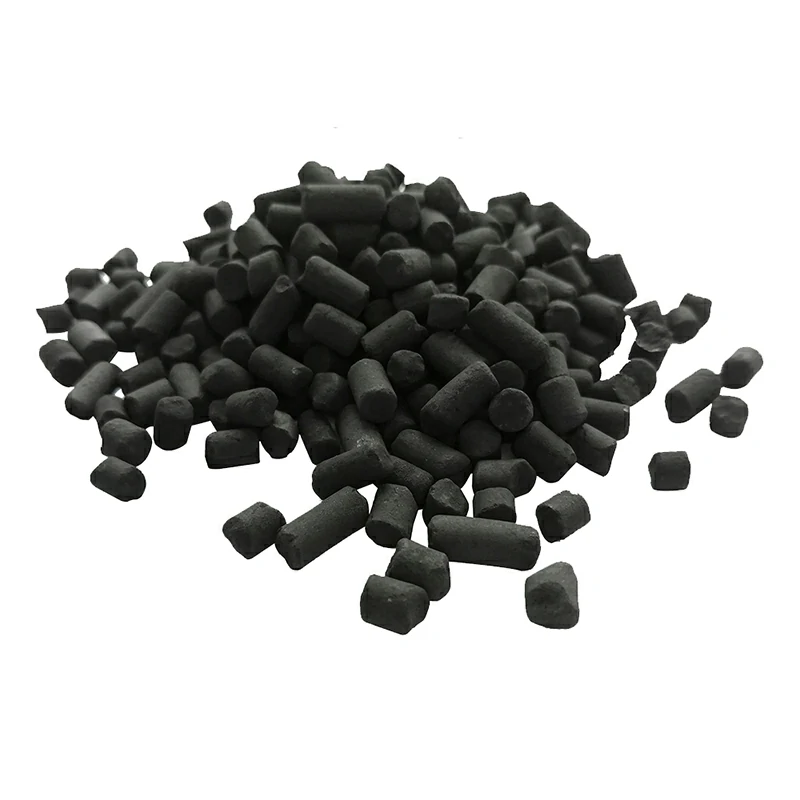
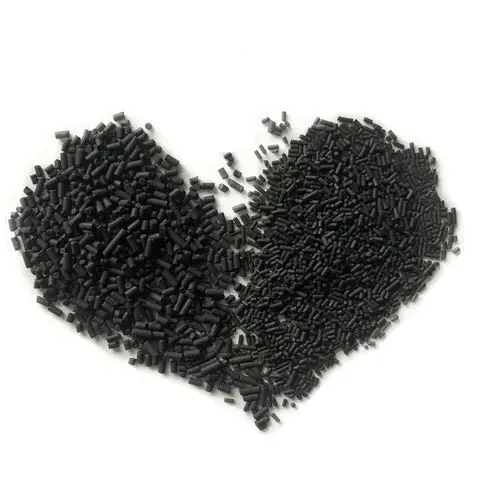
2. Adsorbent Performance Degradation and Powdering: The core adsorbent materials (such as carbon molecular sieves) become more brittle at low temperatures, and are more prone to powdering in frequent pressure switching cycles, resulting in decreased gas purity and shortened equipment lifespan.
3. Difficult Startup and Material Failure: The viscosity of lubricating oil increases, increasing the load on the air compressor during startup; rubber seals lose elasticity, prone to hard and brittle cracking, leading to gas leakage.
4. Instrument and Control Signal Distortion: Frosting on pressure transmitters’ sampling tubes, exhaust ports of solenoid valves, etc., may cause misjudgment and misoperation of the control system, leading to unnecessary shutdowns.
II. Systemic Safety Prevention Strategies
Based on the core principle of keeping the nitrogen generator system “dry” and “warm”, implement the following measures:
1. Optimize air source quality (source control)
Improve drying standards: First, ensure the operation of the refrigerated dryer is good, especially in cold regions, it is recommended to use adsorption dryers to ensure the outlet air pressure dew point is stable at more than 5℃ above the lowest ambient temperature.
Strictly implement drainage procedures: Ensure the automatic drainage valves of the nitrogen storage tank and all levels of filters of the nitrogen generator are working properly. During the low-temperature period, establish a high-frequency manual drainage procedure (such as twice per shift) and keep records. The liquid must be completely drained.
2. Enhance equipment environmental protection (external protection)
Insulation and heating: Wrap all exposed pipes, valves, and filter valve groups with insulation cotton, and install electric heating tapes on key parts.
Improve operating environment: It is best to place the nitrogen generator indoors. If conditions do not permit, add insulation boxes and heaters to the control valve box to ensure the environmental temperature is above 5℃.
3. Develop winter operation procedures (process management)
Soft and stable startup: Before cold machine startup, run the air compressor at no-load for a moment, then slowly increase pressure, allowing the system to have a “preheating” process.
Standardize long-term shutdown management: If the shutdown exceeds 24 hours (such as on weekends), a thorough purging procedure must be carried out: depressurize and open all low-point drain valves to drain compressed air and condensate water. The best practice is to use dry nitrogen for sweeping and maintaining pressure.
III. Daily Inspection and Maintenance Key Points
Establish a checklist for each component of the nitrogen generator to eliminate potential hazards at an early stage.
Listen: Listen to the smoothness of the operation sounds of solenoid valves and pneumatic valves, and check for any jamming or abnormal noises.
Look: Check if the pressure indication is stable, if the pressure difference of the filter is abnormally high (a sign of ice blockage); observe if there is frost or condensate on the pipe surface.
Touch: Under safe conditions, touch the pipes to feel the heating effect and check if the equipment is locally over-cooled. Chu: Regularly inspect the safety valves and discharge ports to ensure there is no ice blockage. This is the final safety guarantee for overpressure release.
Facing the challenge of low-temperature environments, mastering the safe operation and fault prevention methods of the nitrogen generation equipment, and integrating them systematically into daily management, is the key to ensuring the stable operation of the nitrogen generator. It not only effectively addresses various risks brought by low temperatures, but also provides a solid guarantee for the continuous production and safe operation of the enterprise.