The basic principle and process of an air separation unit
The air separation unit converts ordinary air into industrial raw materials such as high-purity nitrogen and oxygen through efficient separation by low-temperature distillation, and is widely used in key fields such as steel and chemical industries. Its core process includes compression, purification, refrigeration and distillation, ultimately producing gas or liquid products that support the operation of the modern industrial system.
The air separation unit is the core industrial equipment that transforms ubiquitous ordinary air into nitrogen, oxygen, argon and other gases or liquids in a highly efficient and magical way. These high-purity products are widely used in numerous key fields such as steel metallurgy, chemical synthesis, electronic manufacturing, energy and environmental protection, and can become indispensable basic raw materials in the modern industrial system. As the core equipment for achieving efficient separation of air components and producing high-purity gas products, this article will deeply and elaborately explain the working principle and process of the air separation unit.
I. Working principle of the air separation unit
The core principle of the air separation unit does not rely on complex chemical reactions. It is based on the low-temperature distillation method. By taking advantage of this characteristic, the air is converted into a liquid state through low-temperature condensation. After the gas-liquid exchange in the distillation tower, the nitrogen with a lower boiling point rises first, while the oxygen with a higher boiling point remains in the liquid phase. This ultimately achieves the separation of the two.
II. Process flow of the air separation unit
1. Air compression and refrigeration
The raw air is compressed by the main air compressor to 0.7-0.85 MPa. The compression raises the temperature of the air, and then it enters the pre-cooling group to be refrigerated to 5-10℃. At this time, most of the water vapor in the air condenses into liquid water due to the decrease in temperature and is separated out.
2. Deep purification
The pre-cooled air enters the deep cold purifier, where adsorption filters out the remaining moisture, carbon dioxide and hydrocarbons.
3. Refrigeration and heat exchange
Main heat exchanger: The purified air refluxes in the distillation tower along with oxygen, nitrogen and contaminated nitrogen to exchange heat. The air is cooled to a temperature close to the liquefaction point and is reheated to the ambient temperature by the refluxed oxygen, nitrogen and contaminated nitrogen before being sent out of the unit or vented.
Expansion machine: A portion of the air is extracted from the main heat exchanger and enters the turbine expansion machine. The air rapidly expands in the expansion machine, thereby lowering its own temperature and generating most of the cooling capacity required by the unit. This low-temperature gas then returns to the main heat exchanger or the distillation tower.
3. Distillation separation
The cooled and partially liquefied air enters the distillation tower.
The air undergoes preliminary separation in the lower tower, obtaining enriched oxygen liquid air and pure liquid nitrogen.
These liquids are cooled further by a reflowing nitrogen gas in a condenser (to reduce the vaporization rate after throttling) and then sent to the upper tower.
In the upper tower, as the liquid flows downward and the vapor flows upward, heat transfer occurs on the trays. The oxygen with a higher boiling point continuously condenses from the vapor into the liquid, and its concentration increases; the nitrogen with a lower boiling point continuously evaporates from the liquid and its concentration increases.
Finally, nitrogen gas is obtained at the top of the upper tower, and oxygen gas is obtained at the bottom of the upper tower. The condensation evaporator connecting the upper and lower towers is the “heart” of this process, using the condensation of nitrogen gas in the lower tower to heat and vaporize the liquid oxygen in the upper tower, providing the necessary energy circulation for the two-stage distillation.
III. Storage and transportation of products
The separated oxygen, nitrogen and argon products can be output in two forms:
1. Gas products: The low-temperature gas from the distillation tower is rewarmed by the main heat exchanger and directly transported to users, such as steel mills and chemical plants.
2. Liquid products: Some products are introduced into the low-temperature liquid pump, pressurized and sent to storage tanks or vaporizers. In the storage tanks, they are stored in liquid form, facilitating transportation and serving as backup gas sources;
through the vaporizer, they will be heated and vaporized into gas and incorporated into the network or filled. In summary, the air separation unit is a complex and precise engineering system. It ingeniously utilizes the physical property that different components of air have different boiling points. Through physical processes such as compression, purification, cooling, liquefaction, and distillation, it ultimately achieves the separation of high-purity single gas products from the mixed air.
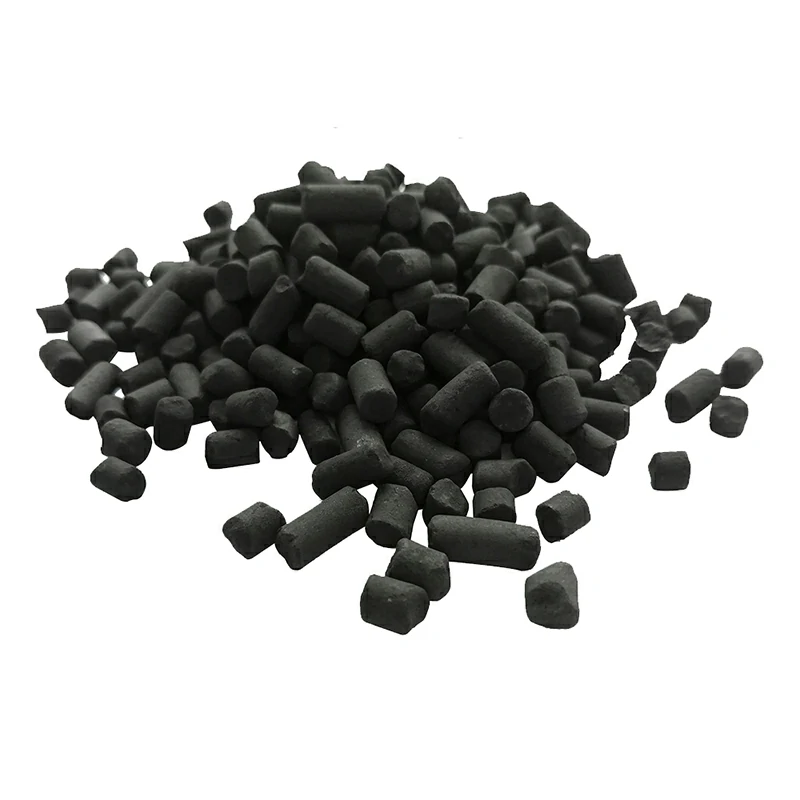 Carbon Molecular Sieve Supplier Checklist | How to Choose CMS Manufacturer in China
 How to Reduce PSA Nitrogen Generator Operating Cost | Carbon Molecular Sieve Guide