What are the impacts of insufficient air compressor pressure on PSA nitrogen generation systems?
In industries such as industrial production, electronic manufacturing, and food preservation, stable nitrogen gas with high purity is required. PSA nitrogen generation technology is the mainstream method for obtaining nitrogen gas. However, the stable operation of this sophisticated system highly depends on the continuous supply of compressed air at the designed pressure by the front-end air compressor. Once the air compressor experiences insufficient pressure, it will cause significant problems, affecting the nitrogen production purity and efficiency of the PSA nitrogen generation system, and shortening the equipment’s lifespan. This article will delve into the specific and far-reaching impacts of insufficient air compressor pressure on the PSA nitrogen generation system.

1. The pressure of the air compressor undermines the foundation of nitrogen generation
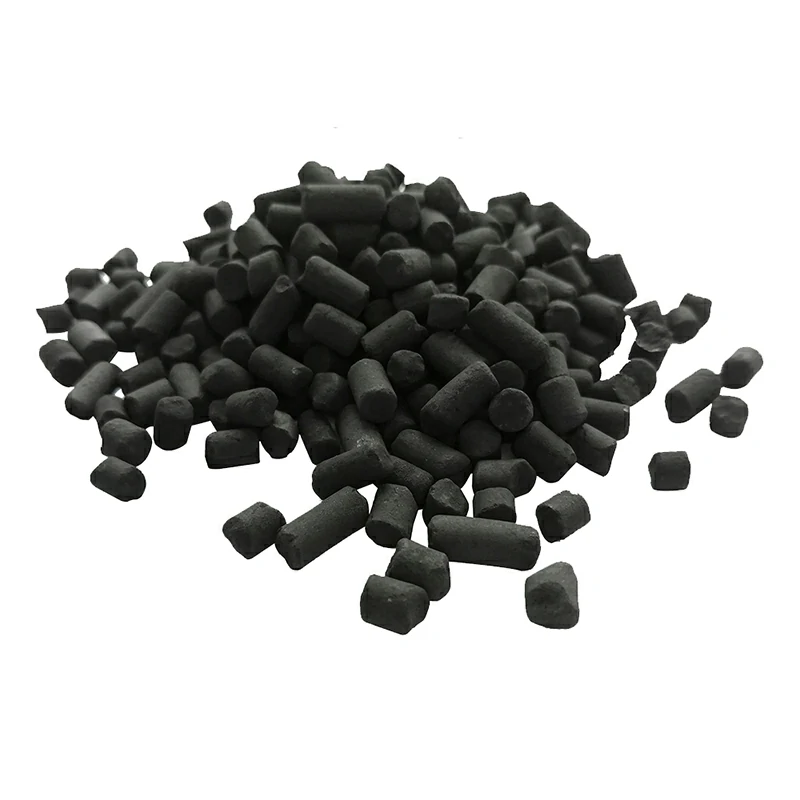
The PSA nitrogen generation system relies on the adsorption characteristics of carbon molecular sieves under pressure differences to achieve oxygen and nitrogen separation. Under high pressure, the molecular sieves preferentially adsorb oxygen, and when the pressure drops, they are desorbed for regeneration. Industry standards require the air compressor to consistently supply a pressure of 0.6 to 0.8 MPa. At this pressure, the molecular sieves have the strongest oxygen adsorption capacity. If the pressure is insufficient, for example, dropping below 0.4 MPa, the oxygen adsorption capacity of the molecular sieves will decrease by more than 30%, and the oxygen-nitrogen separation effect will be severely compromised.
2. Triggering equipment malfunctions
1. Both production volume and purity decline
Insufficient air compressor pressure will worsen the performance of the nitrogen generation system. Firstly, the production volume will sharply decrease. For example, a 40 Nm³/h model, when the pressure is insufficient, the production volume may drop below 25 Nm³/h; secondly, the purity does not meet the standard and fluctuates. When the pressure is below 0.5 MPa, the purity often drops from 99.99% to below 95%.
2. Accelerating equipment wear and tear
Long-term insufficient pressure will cause damage to the nitrogen generation system in multiple areas: the lifespan of the carbon molecular sieves will be shortened, and replacing them will cost 40% of the equipment’s total price; the probability of control system failures will double; energy consumption will increase instead.
3. Triggering system chain failures and threatening production safety
Low-pressure operation will bring a series of troubles: the pre-filter is prone to clogging, and the pressure loss is more severe; the adsorption tower does not clean the reverse blowing properly, and the produced gas is contaminated by oxygen. In high-risk scenarios such as powder metallurgy, the failure of nitrogen gas protection will cause the workpiece to be scrapped, with a single loss reaching tens of thousands of yuan. Frequent start-stop of the equipment will also accelerate the wear of the air compressor and valves.
Nitrogen generation system back view
3. Addressing the issue of insufficient air compressor pressure
The first step is to calibrate the equipment’s compatibility. The output pressure of the air compressor should be 0.1 to 0.2 MPa higher than the actual pressure required by the PSA nitrogen generation system. This can offset the pressure loss during the transmission process. For example, if the PSA nitrogen generation system requires 0.75 MPa of pressure, then the air compressor should be selected to output 0.85 MPa to ensure the pressure is within the range when it reaches the nitrogen generation system.
The second step is to enhance pressure monitoring. Install a pressure alarm device at the outlet of the air compressor, setting 0.6 MPa as the minimum warning value. Once the pressure drops below this value, the device will alarm, allowing for the timely detection of insufficient pressure issues and avoiding subsequent impacts on nitrogen generation.
The third step is to optimize system configuration. Add a storage tank to the system, with the exhaust volume of the storage tank being 3 to 5 times that of the air compressor. This can buffer pressure fluctuations and make the gas supply more stable.
At the same time, replace the precision filter’s filter element once every 6 months to prevent blockage and affect the pressure.In addition, regular maintenance is required, such as checking if the belt is tight and if the cylinder is worn. Maintaining from the source can prevent the hidden danger of insufficient pressure.
In summary, the air compressor is to the PSA nitrogen generation system what the “heart” is to the human circulatory system. The stable output pressure is the key for the nitrogen generation system to achieve efficient nitrogen production, ensure nitrogen purity, and extend the equipment’s lifespan. Only by clearly understanding the severity of the impact of insufficient pressure and realizing that it will affect the entire system, and then taking proactive measures such as timely detection of abnormal pressure, regular equipment maintenance, etc., can the invisible and intangible but crucial nitrogen gas be continuously, stably and purily supplied, supporting the normal operation of modern industries.