What is the function of the “adsorption tower” in a PSA nitrogen generator?
The nitrogen gas produced by a PSA nitrogen generator is widely used in numerous industries such as steel, chemical, and electronics. Nitrogen, as an inert gas, can be dried and does not react easily. So, when nitrogen and other gases mix in the air, how can high-purity nitrogen be extracted from this mixture of impurities? It is undoubtedly the two seemingly insignificant adsorption towers in the PSA nitrogen generator. Don’t underestimate the adsorption tower; it is not such a simple container. During operation, one tower adsorbs nitrogen under high pressure, while the other desorbs and regenerates under low pressure, thus achieving continuous nitrogen production.
I. The physical core of the adsorption tower
In the PSA nitrogen generator system, the adsorption tower is usually a dual-tower or multiple-tower combination, belonging to cylindrical pressure vessels. Its core function is to selectively adsorb impurities such as oxygen in the air, allowing nitrogen molecules to pass through and accumulate. This process is not a chemical reaction; it is based on the weak physical forces between gas molecules and the differences in molecular size and polarity of the adsorbent (carbon molecular sieve) used.
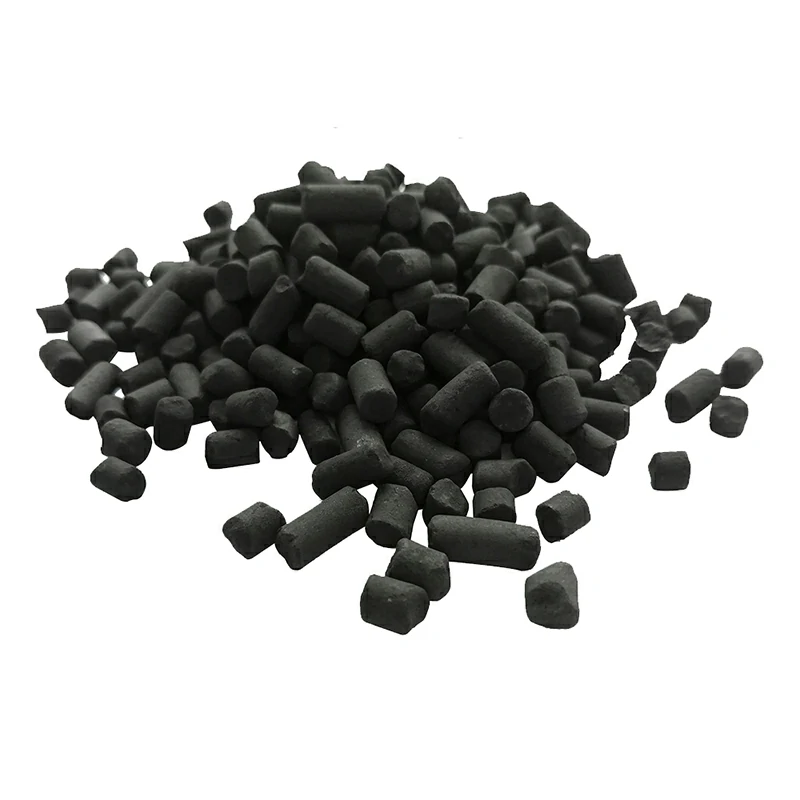
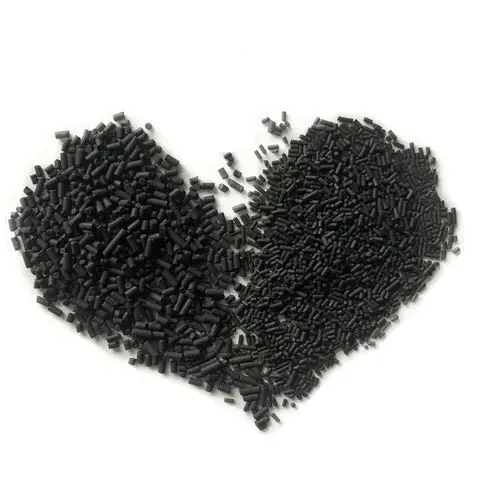
Each adsorption tower is filled with a large amount of granular molecular sieve adsorbents. The tower body is equipped with pneumatic valves, pipelines, pressure and concentration sensors, and is controlled by a system to ensure that the dual-tower adsorption towers work in harmony and alternately. One tower operates under high pressure to adsorb and produce nitrogen, while the other completes desorption and regeneration under low pressure, thus cycling continuously to achieve continuous nitrogen production.
II. Precision in designing the adsorption tower and performance control
The performance of the adsorption tower directly determines the efficiency, nitrogen purity, recovery rate, and energy consumption of the PSA nitrogen generator system. Its reasonable design integrates multiple scientific knowledge. The core lies in the selection and filling of the adsorbent. Commonly used carbon molecular sieves need to have excellent pore size distribution, adsorption capacity, and strength. Uniform and compact filling can avoid channeling, ensuring the distribution of gas flow and separation effect. The height-to-diameter ratio of the tower body is a key parameter that affects contact time and pressure drop. Internal distributors are often installed to prevent bed layer impact. High-speed pneumatic valves and precise control systems (such as PLC/DCS) work together to achieve rapid pressure switching within seconds and can automatically optimize the sequence based on purity and flow feedback, ensuring the intelligent, stable, and efficient operation of the device.
III. Extending component lifespan
The adsorption tower also plays a role in protecting the molecular sieve and extending its service life. The inner walls of the tower body are usually specially treated to prevent the molecular sieve from wearing and pulverizing under pressure changes and air flow impacts. At the same time, the reasonable airflow distribution structure at the inlet and outlet of the adsorption tower ensures that compressed air can uniformly pass through the molecular sieve bed layer, avoiding excessive adsorption of certain molecular sieves in a localized area that affects the overall separation effect, and also ensuring more thorough adsorption and regeneration of the molecular sieve, thereby extending the service life of the molecular sieve and reducing the maintenance cost of the equipment.
In conclusion, the adsorption tower in a PSA nitrogen generator is not such a simple container; it is a component that integrates multiple functions such as separation, purification, and regeneration protection. It can be said that the performance of the adsorption tower directly determines the nitrogen production efficiency, nitrogen purity, and operational stability of the PSA nitrogen generator. It is the key support for the wide application of PSA nitrogen technology. In actual use, maintaining and servicing the adsorption tower properly, ensuring its sealing performance, airflow distribution, and structural integrity, is indispensable for ensuring the normal operation of the nitrogen generator.