What is the startup sequence of the purifier when the air separation equipment is turned on?
I. The role and structure of the purifier in the air separation equipment
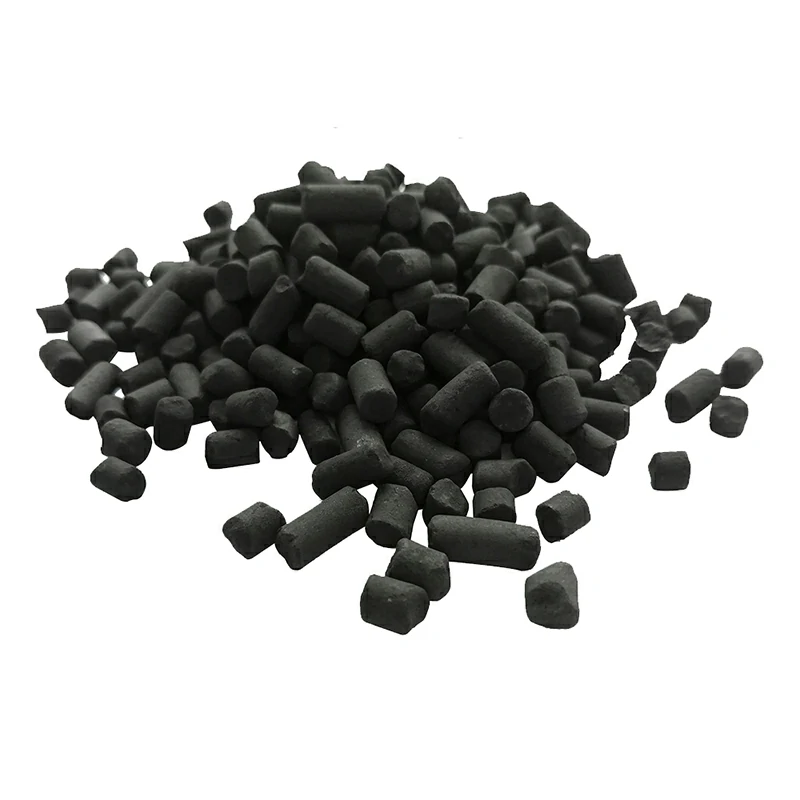
The purifier uses the adsorption principle, filled with adsorbents such as molecular sieves and activated alumina inside, and achieves continuous air purification through periodic switching. Its main removal targets include:
Water: To prevent freezing and blocking of pipelines and equipment at low temperatures
Carbon dioxide: To avoid the formation of dry ice and blockage during low-temperature distillation
Hydrocarbons: To eliminate explosive hazards
The purifier system consists of two adsorbers. When one is in the adsorption working state, the other is in the regeneration or cooling state. They are automatically switched through program control to ensure continuous gas supply.
II. The preparation stage of the purifier before the air separation equipment is turned on1. Before startup, check the purifier system: First, confirm whether the molecular sieves and activated alumina are filled in place and whether there is any powdering; then check whether all the switching valves and regulating valves are in the correct position and whether they can be switched smoothly without sticking; at the same time, calibrate the thermometers, pressure gauges, and online analyzers to ensure that the readings are normal; finally, test the controller or DCS system to check if the functions are correct and if the timing positions are accurate.
2. System blowdown and airtightness test are important steps before startup. Use dry and oil-free air or nitrogen to thoroughly blow down the entire system to remove any residual welding slag, dust, and other impurities from installation or maintenance. After the blowdown is completed, an airtightness test must be conducted to gradually check for any leaks in the system, with a focus on valve sealing points, weld connections, and other critical areas to ensure the entire system is tight and reliable.
III. The startup sequence of the purifier
Phase 1: Pre-cooling and pressure equalization
First, slowly introduce the compressed air from the air compressor into the purifier system. The pressurization process must be smooth to avoid disturbing the adsorbent bed or breaking the molecular sieves due to air flow impact. Then, when the pressures of the two adsorbers are basically balanced, perform uniform operations to reduce overall pressure fluctuations in the system.
Start initial adsorption: First, put one adsorber (A unit) into operation and enter the adsorption working state; the other adsorber (B unit) is on standby and in the ready state.
Phase 2: Regeneration system startup
Start the electric heater or steam heater of the purifier and slowly increase the temperature to the set temperature of 160-220°C. Then, draw out 10% to 15% of the outlet dry air as regeneration gas, heat it, and reverse it into the adsorber to be regenerated. Throughout this process, strictly control the regeneration temperature according to the temperature curve. The temperature should neither be too high to damage the adsorbent nor too low to affect the regeneration effect.
Phase 3: Establishment of normal cycle
When the moisture and carbon dioxide content in the outlet air of the working adsorber is stable and meets the standards, and the regeneration adsorber has cooled to the appropriate temperature, the first automatic switch can be made. Based on actual outlet purity, bed temperature, and other parameters, fine-tune the switching cycle, regeneration gas volume, and heating temperature to achieve the optimal operating state of the system. Usually, after 2 to 3 complete cycles of adjustment, the purifier can enter a stable operating stage.
In summary, as the purification principle of the air separation equipment, the correct startup sequence of the purifier is crucial for the operational efficiency and safety of the entire air separation unit. The basic steps are “check and prepare → slowly pressurize → establish regeneration → smoothly switch → optimize operation”, while closely monitoring changes in key parameters such as temperature, pressure, and purity. With the development of air separation technology towards large-scale, intelligent, and low-energy consumption, the optimized operation of the purifier system will become an important link in improving the economic benefits of the air separation unit.