Why does the VPSA oxygen generator use vacuum pressure swing adsorption?
I. Determine the core: How does the “vacuum pressure swing adsorption” of the VPSA oxygen generator separate oxygen and nitrogen?
To understand this technology choice, it is essential to grasp its basic working mechanism – the core relies on the “pressure selectivity” and “pressure swing cycle” of the adsorbent:
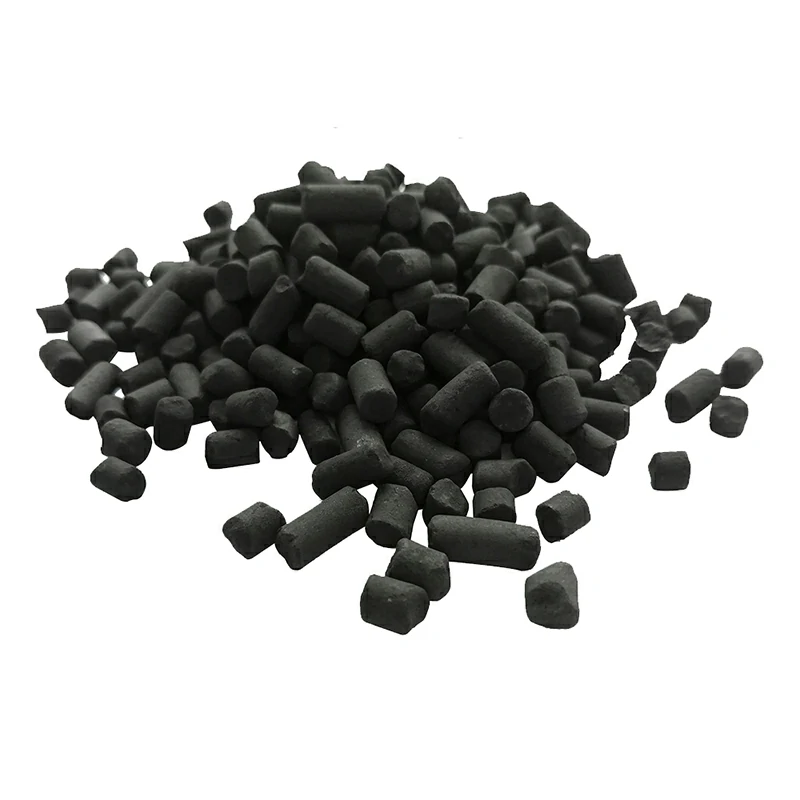
1. Selectivity of the adsorbent: The core material is zeolite molecular sieve, which has a strong adsorption capacity for nitrogen and a weak one for oxygen. Due to the matching of the molecular sieve pore diameter and the nitrogen molecule diameter, and the strong polarity of nitrogen molecules, they are easily captured; oxygen molecules are smaller and have weaker polarity, making them difficult to adsorb and allowing them to pass through the molecular sieve.
2. Pressure swing cycle: The adsorption capacity of the adsorbent varies with pressure – the higher the pressure, the stronger the adsorption capacity; the lower the pressure, the weaker the adsorption capacity. Based on this characteristic, oxygen is produced through a two-step cycle:
– Pressurized adsorption (oxygen production): The fan pressurizes the air and sends it into the adsorption tower. Nitrogen is adsorbed, and oxygen becomes the “product oxygen” and is output.
– Vacuum desorption (regeneration): When the molecular sieve is saturated with nitrogen adsorption, the vacuum pump creates a vacuum, releasing the nitrogen and allowing the molecular sieve to regain its adsorption capacity.
3. Dual-tower/multi-tower design: A single tower cannot continuously produce oxygen, so a dual-tower or multi-tower design is used, with one tower adsorbing and producing oxygen while the other is undergoing vacuum desorption and regeneration. Valves are used to switch between the two towers to achieve continuous oxygen output.
II. Reasons: Why choose “vacuum pressure swing adsorption” over other technologies?
Compared to traditional oxygen generation technologies (deep cryogenic air separation, PSA pressure swing adsorption), the “vacuum pressure swing adsorption” design of the VPSA oxygen generator has significant advantages in energy consumption, cost, and flexibility, which are the core reasons for its popularity:
1. Lower energy consumption: Replacing the traditional PSA’s “high-pressure depressurization” with “vacuum” reduces energy waste. In traditional PSA, energy is directly wasted during depressurization, while the VPSA oxygen generator does not require high pressure and the vacuum system can recover some energy. Its energy consumption is only 60% to 70% of that of traditional PSA, making it suitable for long-term continuous operation scenarios (such as 24-hour oxygen supply in hospitals).
2. Higher adsorbent utilization: The vacuum environment allows for more thorough desorption of nitrogen. In traditional PSA, nitrogen desorption is incomplete at atmospheric pressure, while the vacuum environment in VPSA ensures complete release of nitrogen, maintaining oxygen purity (93% ± 2%, standard type is 93%) and extending the adsorbent’s lifespan.
3. Smaller equipment size and lower cost: Suitable for medium and low-scale demands. Deep cryogenic air separation equipment is large, expensive, and has a slow start-up time, making it unsuitable for small and medium-scale scenarios. The VPSA oxygen generator has no refrigeration system, simple core components, small size (portable), quick start-up (5-15 minutes), and low cost, making it suitable for medium and low purity (90%-95%) and medium production (1-100 Nm³/h) scenarios.
4. More stable operation: Smaller pressure fluctuations reduce equipment wear. The working pressure range of the VPSA oxygen generator is narrower, resulting in less pressure fluctuation in the system compared to traditional PSA, reducing the wear of valves, pipes, and other components, and lowering equipment failure rates and maintenance costs.
III. Scene adaptation: The irreplaceable nature of VPSA oxygen generator technology
The characteristics of vacuum pressure swing adsorption make it almost irreplaceable in specific scenarios:
1. Aquaculture/Environmental protection: Fish and shrimp farming and wastewater aeration require low purity (82%-90%). Small VPSA equipment can be made into portable units, providing oxygen on demand at a much lower cost than purchasing bottled oxygen.
2. Industrial combustion/cutting: Small and medium-sized mechanical factories, glass factories, etc., require medium purity oxygen (above 90%). VPSA equipment can be installed nearby (reducing oxygen transportation costs), and it can be started and stopped flexibly, unlike deep cryogenic air separation which requires long-term full-load operation.
3. Medical scenarios: Hospitals need continuous and stable oxygen supply for 24 hours and are sensitive to energy consumption (long-term operating costs need to be controlled). The low energy consumption, high stability, and quick start-up characteristics of the VPSA oxygen generator are perfectly suited. In summary, the VPSA oxygen generator adopts vacuum pressure swing adsorption technology, which is not merely a technical preference but a perfect match between “demand orientation” and “technical characteristics”. Through the cycle of “pressurized adsorption + vacuum desorption”, it strikes the best balance among “energy consumption, cost, efficiency, and stability”. It can not only meet the core demand for medium and low-purity oxygen but also adapt to small and medium-scale, flexible operation scenarios. Eventually, it has become the mainstream oxygen generation solution in fields such as medical care, industry, and environmental protection.