Carbon Molecular Sieve Powdering in PSA Nitrogen Generators: Causes & Solutions | CMS Manufacturer Guide
Why does carbon molecular sieve (CMS) powdering occur in PSA nitrogen generators? Learn the main causes, prevention strategies, and how to choose high-quality CMS for long service life and stable nitrogen purity. Expert insights from a professional CMS manufacturer.
Carbon Molecular Sieve Powdering in PSA Nitrogen Generators: Causes, Prevention & How to Choose the Right CMS
As a professional carbon molecular sieve (CMS) manufacturer, one of the most common questions we receive from global customers is:
“Why does carbon molecular sieve powdering occur in PSA nitrogen generators?”
Powdering is not just a material issue—it directly affects nitrogen purity, energy consumption, equipment stability, and operating costs. In this article, we explain the real causes of CMS powdering, how to prevent it, and how to select high-quality carbon molecular sieve for long-term industrial performance.
What Is Carbon Molecular Sieve (CMS)?
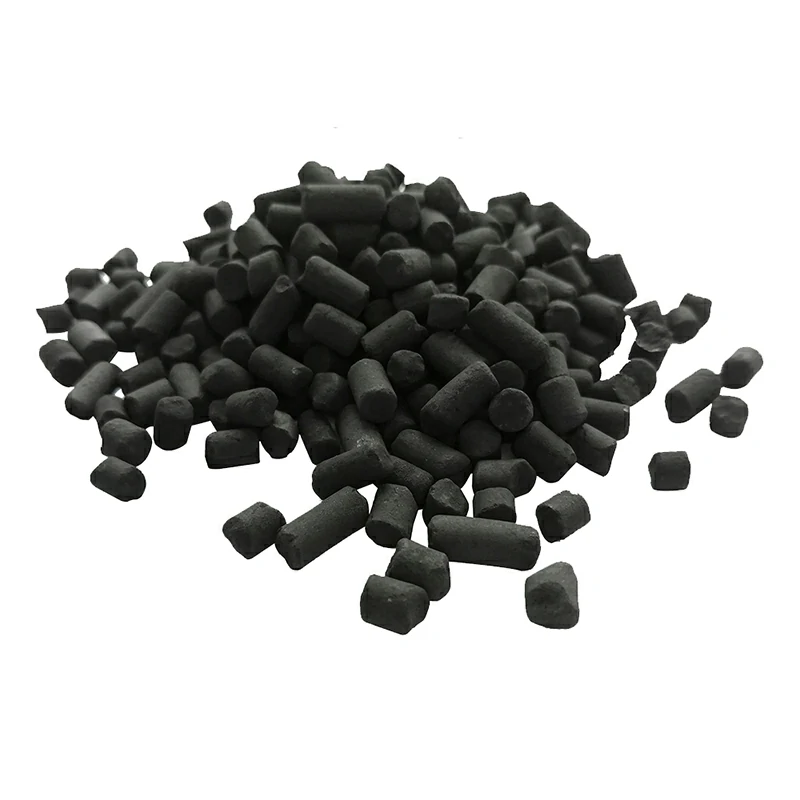
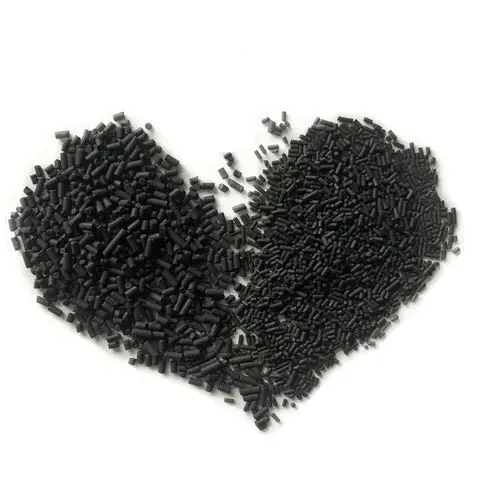
Carbon Molecular Sieve (CMS) is the core adsorbent material used in PSA (Pressure Swing Adsorption) nitrogen generators. It separates nitrogen from compressed air by selectively adsorbing oxygen, CO₂, and trace gases.
High-performance CMS ensures:
-
Stable nitrogen purity (95%–99.999%)
-
Low energy consumption
-
Long service life
-
Reliable continuous operation
However, under improper operating conditions, carbon molecular sieve powdering may occur.
Main Causes of Carbon Molecular Sieve Powdering
1. High Gas Velocity & Poor Flow Distribution
In PSA nitrogen systems, rapid switching between pressurization and depressurization cycles can create excessive airflow impact.
If:
-
Gas velocity exceeds 0.5 m/s
-
Air distributors are uneven or partially blocked
-
Bed filling is not compact
Then CMS particles may experience:
-
Severe friction
-
Particle collision
-
Localized fluidization
-
Surface erosion
Over time, this leads to particle breakage and dust formation.
2. Pressure Cycling Fatigue
PSA systems typically operate between:
-
0.6–0.8 MPa (adsorption pressure)
-
0.05–0.1 MPa (desorption pressure)
If pressure rises too quickly (>0.2 MPa/min) or blowdown is too aggressive, internal stress develops inside CMS particles. Repeated pressure cycling causes:
-
Micro-cracks
-
Structural fatigue
-
Particle fragmentation
Unstable compressors and frequent start-stop cycles accelerate this damage.
3. Moisture Contamination (Major External Cause)
Moisture is one of the most destructive factors for carbon molecular sieve.
If the air dryer fails or dew point control is insufficient:
-
Water molecules occupy CMS micropores
-
Particles absorb moisture and expand
-
Internal stress exceeds mechanical strength
-
Structural cracking occurs
Additionally, water may react with ash or impurities, damaging the carbon framework.
Recommended dew point: ≤ -40°C
4. Oil Contamination from Compressors
Lubricating oil leakage or filter failure allows oil vapor to enter the adsorption tower.
Consequences include:
-
Micropore blockage
-
Reduced nitrogen purity
-
Particle agglomeration
-
Surface brittleness
-
Increased breakage under airflow impact
Oil contamination not only causes powdering but also permanently reduces adsorption efficiency.
5. High or Low Temperature Operation
High Temperature (>40°C)
-
Weakens carbon structure
-
Reduces adsorption capacity
-
Increases airflow demand
-
Accelerates mechanical wear
Low Temperature (<0°C)
-
Water condensation or freezing
-
Uneven airflow distribution
-
Indirect mechanical stress damage
Proper temperature control significantly extends CMS lifespan.
6. Low-Quality CMS or Improper Loading
Not all carbon molecular sieve products are manufactured to the same standard.
Low-quality CMS may have:
-
Insufficient forming pressure
-
Poor binder ratios
-
Low mechanical strength
-
Uneven pore distribution
Additionally, improper loading can cause:
-
Uneven bed density
-
Large void spaces
-
Particle movement and friction
What Happens When CMS Powdering Occurs?
If powdering develops, you may notice:
-
Nitrogen purity drops (e.g., 99.99% → below 99%)
-
Bed pressure drop increases
-
Compressor energy consumption rises 10–20%
-
Black dust appears at outlet
-
Valve and filter blockage
-
Unexpected downtime
If particle breakage rate exceeds 5%, replacement is recommended.
How to Prevent Carbon Molecular Sieve Powdering
1. Optimize PSA Operating Parameters
-
Pressurization rate ≤ 0.15 MPa/min
-
Blowdown velocity ≤ 0.3 m/s
-
Improve gas distribution design
-
Maintain stable compressor operation
2. Strengthen Air Pretreatment System
-
Replace precision filters regularly
-
Oil removal efficiency ≥ 99%
-
Maintain dew point ≤ -40°C
-
Inspect dryer performance routinely
Proper pretreatment is the key to extending CMS service life.
3. Choose High-Quality Carbon Molecular Sieve
As an experienced CMS manufacturer, we recommend selecting products with:
-
Compressive strength ≥ 150N/particle
-
Low abrasion rate
-
Controlled pore size distribution
-
High nitrogen selectivity
-
Strict quality inspection standards
High-quality CMS significantly reduces powdering risk and ensures long-term nitrogen purity stability.
4. Correct Loading Procedure
-
Fill in layers (≤ 50 cm per layer)
-
Avoid free-fall dumping
-
Compact evenly
-
Prevent foreign particle contamination
Professional installation prevents early mechanical failure.
Why Choose Our Carbon Molecular Sieve?
As a dedicated carbon molecular sieve supplier for PSA nitrogen generators, we provide:
✔ High mechanical strength CMS
✔ Optimized pore structure for oxygen adsorption
✔ Long operational lifespan
✔ Stable nitrogen purity output
✔ Strict QC before shipment
✔ OEM & bulk supply for global distributors
Our CMS is widely used in:
-
Industrial nitrogen generation
-
Food packaging nitrogen systems
-
Chemical plants
-
Electronics manufacturing
-
Oil & gas industries
Final Thoughts
Carbon molecular sieve powdering is caused by multiple interacting factors: airflow design, pressure cycling, moisture, oil contamination, temperature fluctuation, and material quality.
By:
-
Controlling PSA operating parameters
-
Ensuring proper air pretreatment
-
Selecting premium-grade CMS
-
Following correct installation procedures
You can significantly extend the service life of your PSA nitrogen generator and reduce operational costs.
Looking for Reliable Carbon Molecular Sieve Supplier?
If you are sourcing high-performance carbon molecular sieve for PSA nitrogen generators, our technical team is ready to support your project with customized solutions and competitive bulk pricing.
Contact us today for:
-
Free technical consultation
-
CMS sample testing
-
Detailed product specifications
-
International shipping support
Let’s optimize your nitrogen generation system together.