Carbon Molecular Sieve Safety Under High Pressure | PSA Nitrogen Generator Manufacturer Guide
Is carbon molecular sieve safe under high pressure? Learn about CMS strength, risks, and best practices for PSA nitrogen generators. Trusted manufacturer insights.
Is Carbon Molecular Sieve Safe Under High Pressure?
A Manufacturer’s Guide for PSA Nitrogen Generators
When investing in a PSA nitrogen generator, one of the most critical components to evaluate is the carbon molecular sieve (CMS). As the core adsorbent material, CMS directly determines nitrogen purity, system efficiency, and long-term operational stability.
A common question we receive from global buyers is:
“Is carbon molecular sieve safe under high pressure?”
As an experienced manufacturer, we’ll break this down from material properties, potential risks, and best practices—helping you make a confident purchasing decision.
1. High-Pressure Performance of Carbon Molecular Sieve
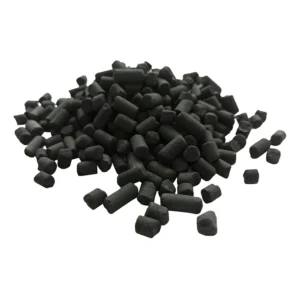
Carbon molecular sieve is specifically engineered for pressure swing adsorption (PSA) systems. Its structure consists of highly stable carbon frameworks with precisely controlled micropores, allowing selective adsorption of oxygen under pressure.
Key Strength Advantages:
- High compressive strength: عادة exceeds 10 MPa, far above typical PSA working pressure (0.5–1.6 MPa)
- Rigid pore structure: Maintains integrity under repeated pressure cycles
- Fatigue resistance: Designed to withstand tens of thousands of PSA cycles
In normal operating conditions, high pressure does not damage CMS structure. This is why PSA nitrogen generation has been safely used worldwide in industries like oil & gas, electronics, and food processing for decades.
2. Potential Risks in High-Pressure Operation
While CMS itself is highly stable, improper usage can create operational issues. These are not inherent material failures but system-level risks.
2.1 CMS Dusting (Powder Formation)
Dusting is the most common issue under pressure conditions.
Causes:
- Low-quality CMS with insufficient strength
- Improper filling (voids or uneven packing)
- High-velocity gas impact
- Operation beyond design pressure
Impact:
- Reduced nitrogen purity
- Blocked pipelines or filters
- Increased system pressure
Important: Dusting rarely causes safety hazards, but it significantly affects performance and maintenance costs.
2.2 Overpressure Conditions
If system pressure exceeds CMS limits (e.g., due to valve or control failure), structural damage may occur.
What happens:
- CMS particle breakage
- Pressure imbalance in adsorption towers
- Equipment vibration or abnormal noise
However, CMS is:
- Non-flammable
- Non-toxic
- Chemically stable
This means even in extreme cases, it does NOT cause explosions or hazardous gas release.
3. How to Ensure Safe CMS Operation in High Pressure
From a manufacturer’s perspective, safety depends on correct system design and material selection.
3.1 Choose High-Quality Carbon Molecular Sieve
Look for:
- Low dusting rate (<0.5%)
- High dynamic compressive strength
- Proven PSA cycle performance
Reliable CMS ensures longer service life and stable nitrogen purity.
3.2 Proper Filling and Installation
Correct loading is critical:
- Uniform packing density
- No internal voids
- Controlled vibration during filling
This minimizes particle friction and prevents early-stage damage.
3.3 Advanced Pressure Control System
A well-designed PSA system should include:
- Real-time pressure monitoring
- Safety valves for overpressure protection
- Stable adsorption/desorption cycles
Pressure stability = CMS longevity.
3.4 Routine Maintenance & Monitoring
We recommend monitoring:
- Nitrogen purity levels
- System pressure fluctuations
- Dust presence in outlet gas
Early detection prevents major downtime.
4. Why Global Buyers Trust PSA Technology
PSA nitrogen generators using carbon molecular sieve have been widely deployed for over 30 years.
Across industries:
- Petrochemical
- Food packaging
- Electronics manufacturing
There have been no major safety incidents caused by CMS under pressure when systems are properly designed and operated.
5. Final Conclusion: Is CMS Safe Under High Pressure?
Yes — carbon molecular sieve is absolutely safe under high pressure when used correctly.
The key points are:
- CMS strength far exceeds normal PSA operating pressure
- Risks like dusting are manageable and non-hazardous
- Proper system design eliminates overpressure concerns
In short:
Safety is not a limitation of the material, but a result of proper engineering and quality control.
Looking for Reliable Carbon Molecular Sieve Supplier?
As a professional manufacturer, we provide:
- High-strength CMS for PSA nitrogen generators
- Low dusting, long service life products
- Technical support for system optimization
Contact us today to improve your nitrogen generation efficiency and reduce operational costs.