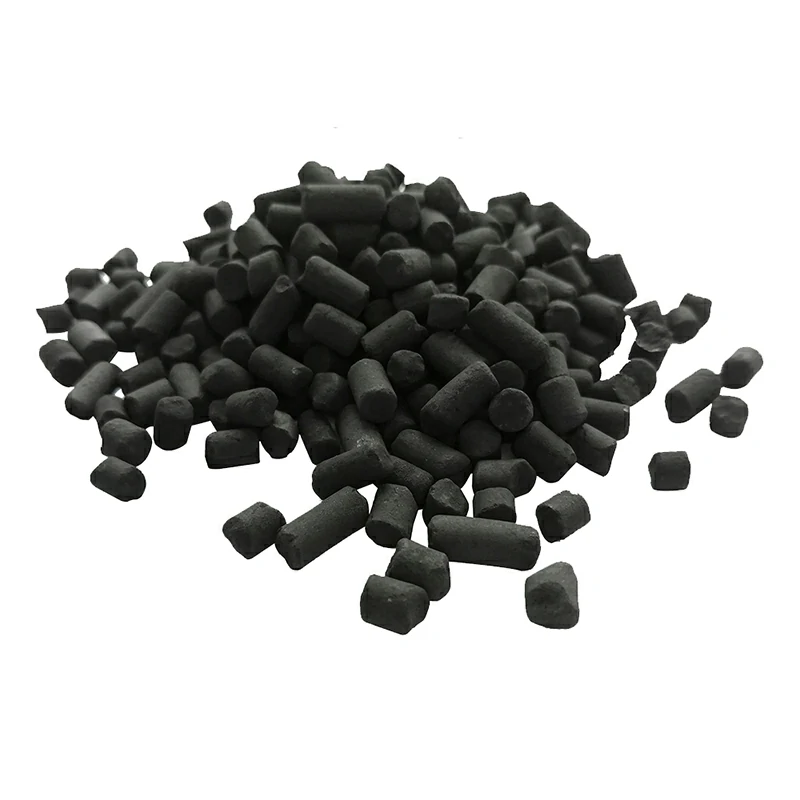
What factors affect the price of carbon molecular sieves for PSA nitrogen generators?
Analysis of factors affecting the price of carbon molecular sieves for PSA nitrogen generators
Carbon molecular sieves are the core adsorption materials in pressure swing adsorption (PSA) nitrogen generators. They achieve efficient separation of nitrogen by selectively adsorbing oxygen, carbon dioxide and other impurities in the air. Fluctuations in their prices directly affect the procurement costs and operational economics of nitrogen generation equipment. Understanding the factors influencing their prices is of great significance for enterprises to control costs. The following is a multi-dimensional analysis of the core drivers of carbon molecular sieve prices:
I. Raw Material Costs: The Fundamental Variable of Price Fluctuations
The main raw materials of carbon molecular sieves are carbon-based materials (such as anthracite, coconut shell carbon, wood-based carbon, etc.) and binders (such as coal tar, resin, etc.). Fluctuations in the prices of raw materials are the core factor affecting the cost of carbon molecular sieves.
Carbon-containing substrates: Anthracite is a commonly used substrate, and its price is significantly influenced by the supply and demand in the coal market and policy regulations (such as environmental protection production restrictions). For instance, in 2021, the coal price rose sharply, directly increasing the production cost of carbon molecular sieves; coconut shell carbon, as a high-end substrate, due to the scarcity of raw materials (relying on coconut shell supply from Southeast Asia), usually has a higher price than coal-based materials.
Binder: High-quality binders (such as phenolic resin) can enhance the compressive strength and stability of molecular sieves, but they are costly. If low-cost binders are used, the price can be reduced, but the product performance may decline.
Raw materials account for more than 60% of the total cost of carbon molecular sieves, and their price fluctuations are directly passed on to the final product pricing.
II. Production Process and Technology: Determining the Added Value of Products
The production process of carbon molecular sieves includes raw material crushing, mixing, molding, carbonization, activation, screening and other steps. The level of the process directly affects the performance and cost of the product.
Activation technology: Advanced activation processes (such as high-temperature steam activation and chemical activation) can optimize the pore structure of molecular sieves (the ratio of micropores to mesopores), enhancing the efficiency and yield of nitrogen adsorption. Such processes require high-precision equipment (such as controllable atmosphere furnaces) and technological research and development, resulting in higher costs and more expensive products.
– Forming process: The forming pressure and mold precision of columnar molecular sieves will affect their compressive strength (to avoid pulverization during use). High-precision forming processes require specialized equipment, which increases production costs.
Environmental treatment: The waste gas (such as VOCs) and wastewater generated during the production process must be discharged up to standard. In regions with strict environmental requirements (such as the European Union and eastern China), enterprises need to invest in more environmental protection equipment, further increasing costs.
III. Product Performance Indicators: The Core Manifestation of Value Differences
The performance indicators of carbon molecular sieves directly determine their market pricing. The key indicators include:
Nitrogen production rate: The amount of nitrogen gas (Nm³/h·kg) produced by a unit weight of molecular sieve within a unit of time. Molecular sieves with a high nitrogen production rate can reduce the volume of adsorption towers, lower equipment investment, and their prices are usually 20% – 30% higher than those of ordinary products.
Adsorption capacity: The adsorption capacity for oxygen (mL/g). The greater the adsorption capacity, the longer the service life of the molecular sieve, the longer the replacement cycle, and the lower the long-term cost. Therefore, the price is higher.
Compressive strength: The ability to resist pressure (N/cm). Molecular sieves with insufficient strength are prone to pulverization, which leads to increased resistance and reduced efficiency in PSA nitrogen generators. High-strength products offer better value for money.
Service life: Generally 3 to 5 years, and high-quality products can last 6 to 8 years. Although long-life products have a higher initial price, their overall cost is lower and they enjoy a significant market premium.
IV. Market Supply and Demand Relationship: The Key to Short-Term Price Fluctuations
The demand for carbon molecular sieves is closely related to the development of downstream industries such as chemical engineering, electronics, food packaging, and new energy.
Demand growth: In recent years, the expansion of the new energy industry (such as the need for high-purity nitrogen for lithium battery production) and the electronic semiconductor industry (the need for ultra-pure nitrogen in wafer manufacturing) has driven the rapid growth of carbon molecular sieve demand. When supply falls short of demand, prices rise.
Supply pattern: The global carbon molecular sieve market has a relatively high concentration, with a few enterprises (such as Takeda of Japan and BF of Germany) holding the core technologies. If the production capacity is insufficient or the supply chain is disrupted (such as logistics being blocked due to the epidemic), the price will soar in the short term. Although domestic enterprises are gradually rising, they still rely on imports for high-end products, and import tariffs and transportation costs further push up the price.
V. Policies and Standards: The Hidden Impact of Compliance Costs
Environmental protection policies: The state’s requirements for carbon emissions and waste gas treatment are becoming increasingly strict. Enterprises need to increase their environmental protection investment (such as desulfurization and denitrification equipment), and this part of the cost will be passed on to the product prices.
Industry standards: Different countries/regions have different performance standards for carbon molecular sieves (such as nitrogen purity and impurity content). Exported products need to meet the standards of the target market (such as the EU REACH regulation), which increases the cost of testing and certification, and the price is correspondingly raised.
VI. Differences in Application Fields: Premium for Customization Demands
The requirements for carbon molecular sieves vary significantly across different industries:
In the high-end sector, the electronics and semiconductor industry requires ultra-pure nitrogen (above 99.9995%), which demands precise molecular sieve pore distribution and extremely low impurity content. The price of customized products is 2 to 3 times that of ordinary industrial-grade ones.
Ordinary industries: such as chemical storage and food preservation, which have relatively low requirements for nitrogen purity (99.5%), can use conventional molecular sieves, and the price is relatively affordable.
Summary
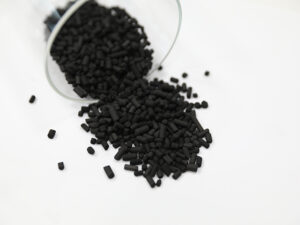
The price of carbon molecular sieves is the result of multiple factors working together, including raw material costs, production processes, performance indicators, market supply and demand, policy compliance, and application requirements. When making purchases, enterprises should comprehensively consider product performance, service life, and overall cost, rather than simply pursuing low prices. With technological advancements and breakthroughs in domestic enterprise research and development, the price of carbon molecular sieves may gradually become more reasonable in the future. However, the value differences of high-end products will still persist for a long time.