PSA Nitrogen Generator Carbon Molecular Sieve Replacement Cycle & Lifespan Factors | Manufacturer Guide
Learn the carbon molecular sieve replacement cycle in PSA nitrogen generators. Discover lifespan factors, maintenance tips, failure signs, and how to extend CMS service life from a professional manufacturer.
psa-nitrogen-generator-carbon-molecular-sieve-replacement-cycle
PSA Nitrogen Generator Carbon Molecular Sieve Replacement Cycle: Lifespan, Influencing Factors & Maintenance Guide
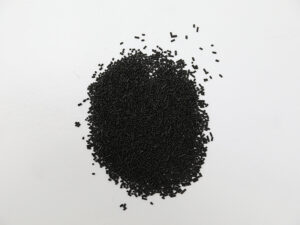
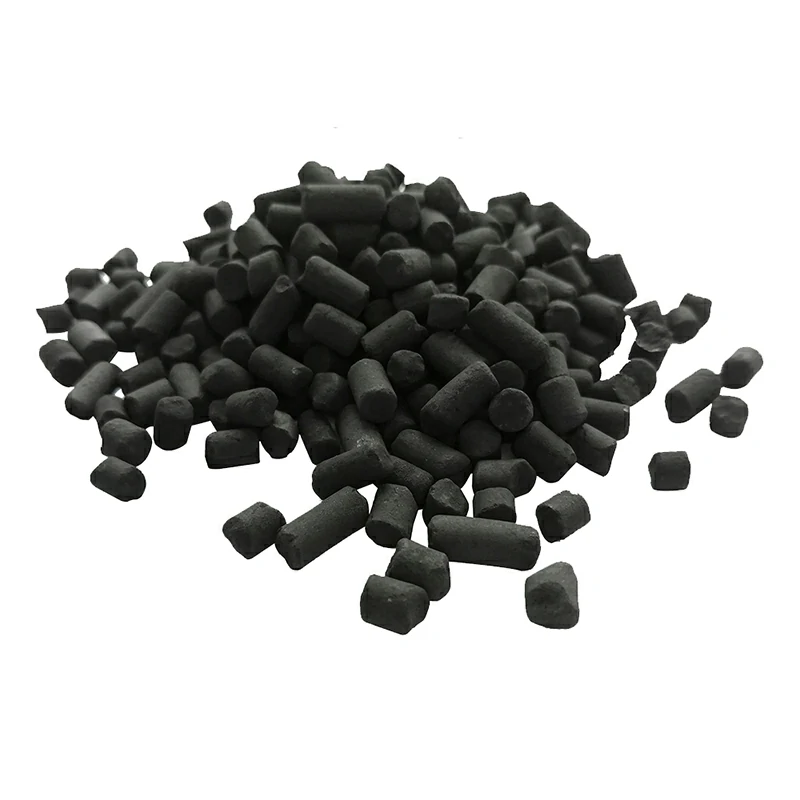
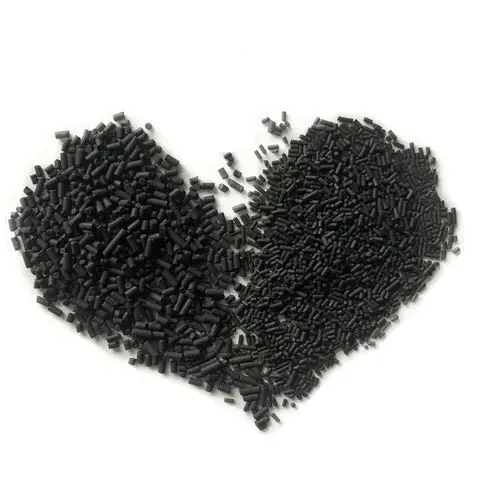
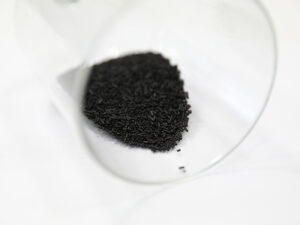
Carbon Molecular Sieve (CMS) is the core adsorption material inside a PSA nitrogen generator. It separates nitrogen from compressed air by selectively adsorbing oxygen, carbon dioxide, and trace impurities under pressure swing adsorption (PSA) technology.
As a professional nitrogen generator manufacturer, we are frequently asked:
How often should carbon molecular sieve be replaced?
The answer depends on multiple operating and environmental factors. Typically, the carbon molecular sieve replacement cycle ranges from 3–5 years. With proper maintenance, it can last 6–8 years. However, poor air quality and incorrect operation may reduce its service life to just 1–2 years.
In this guide, we explain:
-
Key factors affecting carbon molecular sieve lifespan
-
Signs your PSA nitrogen generator needs CMS replacement
-
Practical methods to extend CMS service life
-
How to reduce long-term nitrogen production costs
1. What Determines Carbon Molecular Sieve Replacement Cycle?
1.1 Compressed Air Quality (The Most Critical Factor)
Compressed air is the raw material of a PSA nitrogen generator. Oil, water, and dust are the primary enemies of carbon molecular sieve.
Oil Contamination
Oil (liquid oil, oil mist, and vapor) can:
-
Block CMS micropores
-
Destroy adsorption selectivity
-
Rapidly reduce oxygen adsorption capacity
If compressed air oil content exceeds 0.01 mg/m³, CMS lifespan may decrease by over 30%.
Recommended standard:
-
Oil content ≤ 0.003 mg/m³
Installing multi-stage filtration and high-efficiency oil removal systems is essential.
Moisture Impact
Moisture causes:
-
CMS pore blockage
-
Reduced adsorption activity
-
Particle agglomeration and hardening
If air dew point is not maintained below -40°C, premature aging occurs.
Recommended standard:
-
Pressure dew point ≤ -40°C
An adsorption air dryer is highly recommended for stable nitrogen purity.
Dust and Particulate Damage
Dust particles:
-
Wear down CMS surface
-
Cause particle pulverization
-
Increase airflow resistance
-
Reduce nitrogen production efficiency
Recommended filtration accuracy:
-
Particle size ≤ 1 μm
1.2 Operation & Maintenance Practices
Even high-quality carbon molecular sieve can fail early due to improper operation.
Frequent Start-Stop Cycles
Frequent pressure changes cause:
-
Mechanical friction between CMS particles
-
Powdering and structural breakdown
Recommendation:
-
Limit start-stop cycles to ≤ 2 times per day
Insufficient Regeneration
PSA nitrogen generators operate via adsorption-regeneration cycles.
If:
-
Regeneration time is too short
-
Backflow purge gas is insufficient
Then oxygen is not fully desorbed, leading to CMS “poisoning” and continuous performance decline.
Pressure Fluctuation
If adsorption tower pressure fluctuates beyond 0.05 MPa, it may:
-
Damage CMS structure
-
Accelerate aging
Stable pressure control extends service life significantly.
1.3 Carbon Molecular Sieve Quality
Not all CMS materials are equal.
High-quality carbon molecular sieve features:
-
Optimized micropore size distribution (0.3–0.5 nm)
-
High compressive strength (≥95%)
-
Strong thermal stability
-
Low dust generation rate
Low-grade CMS often:
-
Has uneven pore distribution
-
Breaks easily
-
Has half the lifespan of premium material
Choosing a reliable nitrogen generator manufacturer directly impacts your long-term operating cost.
1.4 Equipment Load Conditions
Overloading (Most Common Issue)
If actual nitrogen output exceeds rated capacity by more than 10%:
-
CMS remains in constant high adsorption state
-
Aging accelerates
-
Nitrogen purity drops faster
Underloading
Operating below 50% load may extend CMS life but:
-
Prolonged idle periods can cause moisture absorption
Balanced, stable operation is ideal.
2. Signs Your Carbon Molecular Sieve Needs Replacement
Timely replacement prevents production interruption.
2.1 Nitrogen Purity Cannot Reach Design Standard
If nitrogen purity drops from:
-
99.99% to below 99%
-
And parameter adjustments no longer solve the issue
This is the clearest indicator of CMS failure.
2.2 Reduced Nitrogen Output
If:
-
Production capacity decreases by more than 10%
-
Or filling time increases significantly
CMS adsorption efficiency may be declining.
2.3 Abnormal Pressure in Adsorption Tower
Symptoms include:
-
Increased pressure during adsorption
-
Inability to reach proper desorption pressure
-
Higher system resistance
These may indicate CMS blockage or powdering.
2.4 Visible Carbon Powder
If black dust appears:
-
In exhaust ports
-
Inside filters
-
At the bottom of adsorption towers
CMS particles are severely damaged.
Immediate inspection is recommended.
3. How to Extend Carbon Molecular Sieve Service Life
As a nitrogen generator manufacturer, we recommend the following best practices:
3.1 Upgrade Air Pretreatment System
Install:
-
Multi-stage filters (primary + fine filtration)
-
Refrigerated or desiccant air dryer
-
High-efficiency oil removal filter
Maintenance schedule:
-
Replace filter elements every 3–6 months
-
Inspect air dryer regularly
Target parameters:
-
Oil ≤ 0.003 mg/m³
-
Dew point ≤ -40°C
-
Particle size ≤ 1 μm
3.2 Standardized Operation
-
Avoid frequent start-stop cycles
-
Maintain stable pressure
-
Set correct adsorption and regeneration time
-
Ensure adequate purge gas volume
3.3 Routine Inspection Plan
Quarterly:
-
Check seals and leakage
Semi-annually:
-
Clean filters
-
Remove accumulated dust
Annually:
-
Full system inspection
-
Replace aging valves
3.4 Avoid Overloading
If nitrogen demand increases:
-
Do not exceed rated output
-
Consider system expansion instead
Overloading shortens CMS lifespan significantly.
4. Typical Carbon Molecular Sieve Replacement Timeline
| Operating Condition | Estimated CMS Lifespan |
|---|---|
| Excellent maintenance | 6–8 years |
| Standard industrial operation | 3–5 years |
| Poor air quality / improper use | 1–2 years |
5. Final Thoughts: Reduce Long-Term Nitrogen Production Cost
The carbon molecular sieve replacement cycle is not fixed — it is the result of air quality, operational discipline, CMS quality, and system load.
With:
-
High-quality carbon molecular sieve
-
Proper compressed air treatment
-
Stable operating parameters
-
Regular maintenance
You can significantly extend CMS lifespan, reduce downtime, and lower total cost of ownership (TCO) for your PSA nitrogen generator.
Looking for Reliable PSA Nitrogen Generator Solutions?
As a professional nitrogen generator manufacturer, we provide:
-
High-performance carbon molecular sieve
-
Customized PSA nitrogen systems
-
Technical support & replacement guidance
-
Global export service
Contact us today to optimize your nitrogen production efficiency and maximize equipment lifespan.