PSA Nitrogen Generator Carbon Molecular Sieve Adsorption Unevenness: Causes & Solutions | CMS Manufacturer Guide
Learn the main causes of uneven adsorption in PSA nitrogen generators and how to prevent it. Expert insights from a carbon molecular sieve (CMS) manufacturer covering selection, filling, operation, system design, and maintenance strategies.
psa-nitrogen-generator-carbon-molecular-sieve-uneven-adsorption-solutions
PSA Nitrogen Generator Carbon Molecular Sieve Adsorption Unevenness: Causes & Prevention Strategies
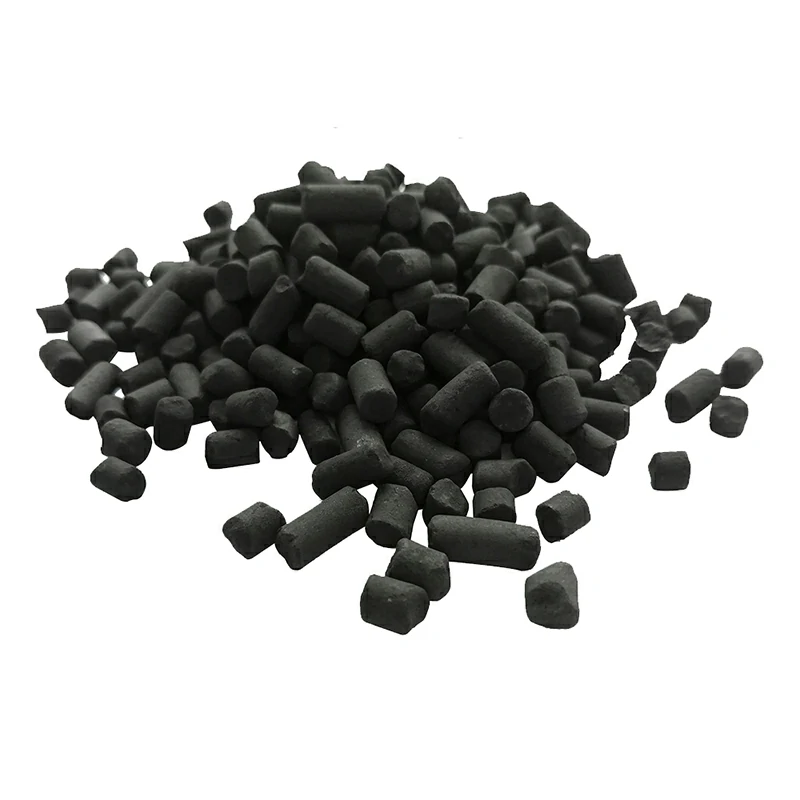
In a PSA nitrogen generator, the performance of the entire system depends heavily on the quality and stability of the Carbon Molecular Sieve (CMS). As a professional CMS manufacturer, we frequently help clients solve one critical issue: uneven adsorption in the PSA nitrogen generation system.
Uneven adsorption can lead to:
-
Fluctuating nitrogen purity
-
Increased compressed air consumption
-
Higher energy costs
-
Shortened carbon molecular sieve service life
-
Increased maintenance frequency
In this guide, we explain the root causes of uneven adsorption in PSA nitrogen generators and provide practical solutions from selection to maintenance.
1. Correct Carbon Molecular Sieve Selection: The Foundation of Uniform Adsorption
The physical and structural properties of carbon molecular sieve directly determine adsorption balance inside the adsorption tower.
1.1 Optimized Pore Structure Distribution
High-quality CMS must maintain a balanced distribution of:
-
Micropores (<2nm) – responsible for oxygen/nitrogen separation
-
Mesopores (2–50nm) – ensure rapid gas diffusion
If pore structure is inconsistent, localized oxygen saturation may occur, leading to uneven nitrogen purity output.
As a CMS manufacturer, we recommend:
-
Nitrogen/Oxygen separation coefficient ≥ 4.5
-
Bulk density ≥ 0.65 g/cm³
-
Stable adsorption rate curve
1.2 Particle Size Uniformity
Particle size deviation should be controlled within ±10%.
Why it matters:
-
Smaller particles may block airflow channels
-
Larger particles create void spaces
-
Result: gas channeling and uneven adsorption zones
1.3 High Compressive Strength
Compressive strength ≥95% is recommended to prevent:
-
Particle crushing during pressure cycling
-
Powder generation
-
Bed void formation
Broken CMS particles are a common hidden cause of uneven adsorption.
2. Proper CMS Filling Procedure: Eliminating Void Spaces and Bridging
Improper filling is one of the most overlooked causes of PSA nitrogen generator performance instability.
2.1 Layered Filling Structure
We recommend:
-
Bottom layer: larger particles or inert support material
-
Middle layer: standard CMS particles
-
Top layer: slightly finer CMS for sealing
This structure prevents particle migration and bed settlement.
2.2 Controlled Vibration Compaction
Use low-frequency vibration (amplitude ≤5mm).
Avoid:
-
Manual hammering
-
Aggressive mechanical compaction
Target bed density deviation: ≤3%.
2.3 Anti-Bridging Measures
Slow and evenly distributed loading prevents arch formation inside the tower.
After filling, ensure:
-
Bed height deviation between towers ≤2cm
Balanced twin towers are essential in PSA nitrogen generator systems.
3. Compressed Air Pretreatment: Preventing CMS Contamination
Oil, moisture, and dust contamination are major contributors to localized adsorption failure.
3.1 Dust Filtration
Install precision filters (≤1 μm) upstream.
3.2 Air Drying
Maintain inlet air dew point ≤ -40°C using refrigerated or desiccant air dryers.
Moisture can:
-
Block CMS micropores
-
Damage internal pore structure
-
Reduce adsorption efficiency
3.3 Oil Removal
Control oil content ≤0.01 mg/m³ using coalescing filters and activated carbon filters.
CMS “oil poisoning” leads to permanent performance degradation.
Replace pretreatment filter elements every 3–6 months to maintain stable air quality.
4. Optimizing PSA Nitrogen Generator Operating Parameters
Stable operation ensures uniform adsorption performance.
4.1 Stable Adsorption Pressure
Recommended adsorption pressure: 0.6–0.8 MPa
Pressure fluctuation: ≤ ±0.05 MPa
Excessive pressure shocks disturb bed structure.
4.2 Controlled Air Flow Rate
Overloading causes:
-
Partial bed saturation
-
Purity drop
-
Shorter cycle life
Keep flow fluctuation within ±5%.
4.3 Proper Adsorption-Regeneration Cycle
Typical cycle time: 60–120 seconds
Ensure:
-
Regeneration pressure ≤0.05 MPa
-
Purge time ≥30 seconds
Incomplete regeneration is a common cause of uneven next-cycle adsorption.
4.4 Temperature Control
Inlet temperature ≤40°C
Higher temperature reduces oxygen adsorption capacity and leads to localized saturation.
5. PSA Nitrogen Generator System Design Optimization
System design directly impacts airflow distribution.
5.1 Air Distribution System
Use multi-hole distributor plates or gas caps with:
-
Hole diameter ≤5mm
-
Uniform spacing ≤10cm
This ensures even gas entry into the CMS bed.
5.2 Tower Height-to-Diameter Ratio
Recommended ratio: 3:1 to 5:1
Too short → poor distribution
Too wide → channeling risk
5.3 Fast Switching Valves
Switching time ≤0.5 seconds
Slower valves cause pressure shock and disturb bed structure.
5.4 Pressure Equalization Design
Pressure balancing between twin towers before switching reduces mechanical stress and airflow turbulence.
6. Regular Maintenance & Performance Monitoring
Preventive maintenance significantly reduces adsorption unevenness risk.
6.1 Periodic Bed Inspection
Every 6–12 months:
-
Check bed settlement (>5% requires refill)
-
Inspect for crushing or agglomeration
6.2 Monitor Nitrogen Purity & Pressure Drop
Warning signs of uneven adsorption:
-
Sudden nitrogen purity decline
-
Increased tower pressure difference
-
Higher compressed air consumption
6.3 Annual Deep Regeneration
Perform:
-
High-temperature purge
-
Vacuum desorption (if system supports)
This removes stubborn accumulated impurities.
Why Uniform Adsorption Matters for PSA Nitrogen Generator Performance
By controlling carbon molecular sieve selection, filling procedures, pretreatment quality, operating parameters, system design, and maintenance, you can:
-
Improve nitrogen purity stability
-
Extend CMS service life
-
Reduce compressed air consumption
-
Lower overall nitrogen production cost
As a professional carbon molecular sieve manufacturer, we provide high-strength, uniform pore-structure CMS specifically designed for PSA nitrogen generators to ensure stable and long-term adsorption performance.
If you are experiencing nitrogen purity fluctuation or high energy consumption, uneven adsorption may be the root cause.
Contact us today for technical consultation and customized CMS solutions for your PSA nitrogen generator system.