Carbon Molecular Sieve for Nitrogen Generators | Reusability, Lifespan & PSA Technical Analysis
Learn how carbon molecular sieve (CMS) works in PSA nitrogen generators, its reusability, lifespan (3–5 years), maintenance tips, and factors affecting performance. Professional insights from a nitrogen generator manufacturer.
carbon-molecular-sieve-nitrogen-generator-reusability-lifespan
Carbon Molecular Sieve Reusability in PSA Nitrogen Generators: Technical Analysis from a Manufacturer
As a professional nitrogen generator manufacturer, we are often asked:
Can carbon molecular sieve (CMS) be reused?
How long does carbon molecular sieve last in a PSA nitrogen generator?
What affects the lifespan of CMS?
In this article, we provide a comprehensive technical explanation of carbon molecular sieve reusability, working principles, lifespan factors, and maintenance strategies to help industrial users maximize system performance and reduce operating costs.
1. What Is Carbon Molecular Sieve (CMS)?
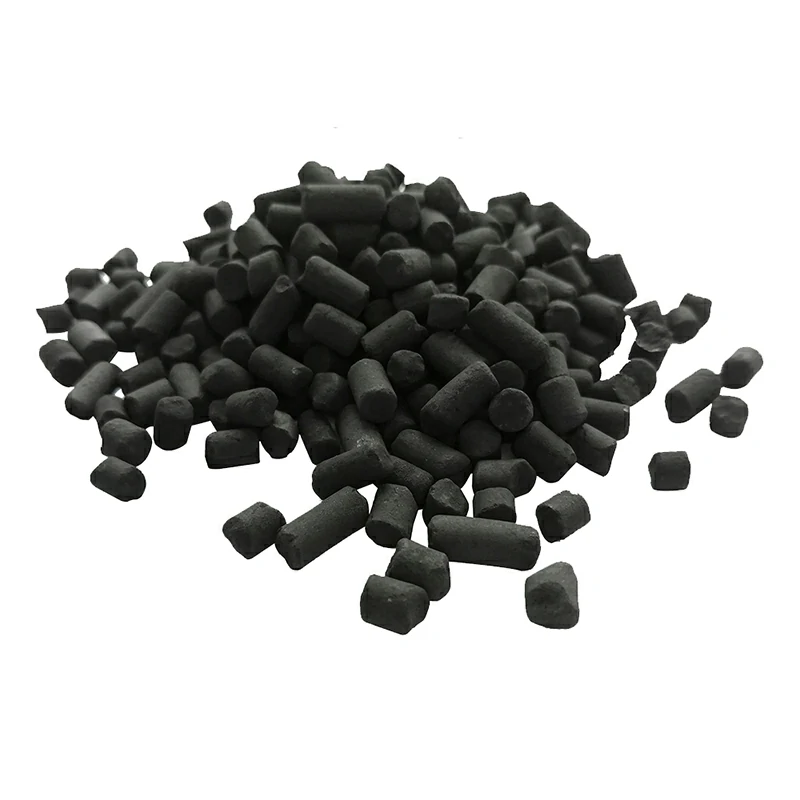
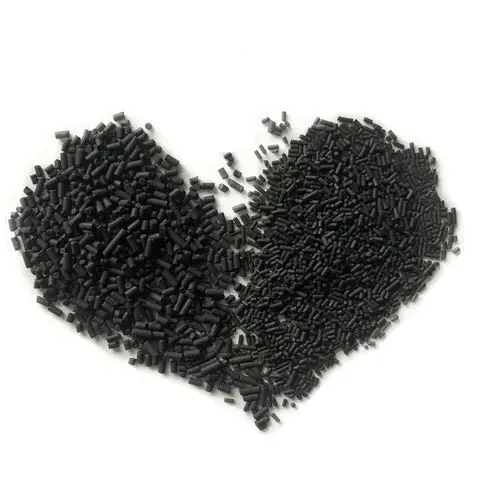
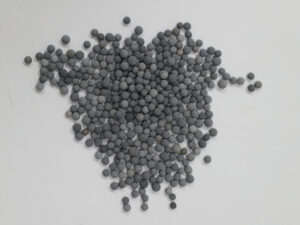
Carbon Molecular Sieve (CMS) is the core adsorbent material used in PSA nitrogen generators. It is typically produced from high-quality coal or coconut shell through carbonization and activation processes, forming a highly controlled microporous structure.
Typical pore size: 0.3–0.5 nm
This precise pore distribution enables selective oxygen adsorption, which is the foundation of nitrogen separation technology.
2. PSA Nitrogen Generator Working Principle
PSA stands for Pressure Swing Adsorption.
The separation process is based on the slight difference in molecular size:
-
Oxygen molecular diameter: ~0.346 nm
-
Nitrogen molecular diameter: ~0.364 nm
Under pressure (usually 0.6–0.8 MPa):
-
CMS preferentially adsorbs oxygen
-
Nitrogen passes through and becomes enriched
-
High-purity nitrogen (95%–99.999%) is produced
During depressurization:
-
Adsorbed oxygen is released
-
CMS regenerates automatically
-
The system enters the next adsorption cycle
Each PSA cycle typically lasts 1–2 minutes, repeating continuously.
This adsorption–desorption process is reversible, which makes carbon molecular sieve reusable.
3. Can Carbon Molecular Sieve Be Reused?
Yes. Carbon molecular sieve is fully reusable under normal operating conditions.
Because PSA technology relies on physical adsorption (not chemical reaction), CMS can undergo thousands of pressure cycles without losing functionality—provided its structure is not damaged.
In properly maintained systems, CMS service life typically reaches:
3–5 years
In some high-quality systems with ideal air treatment, it can last even longer.
4. Key Factors Affecting Carbon Molecular Sieve Lifespan
Although CMS is reusable, its durability depends heavily on operating conditions.
4.1 Compressed Air Contamination
This is the most critical factor.
If inlet air contains:
-
Oil mist
-
Water vapor
-
Dust particles
These contaminants can:
-
Block micropores
-
Create irreversible adsorption layers
-
Destroy internal pore structure
Oil contamination is particularly damaging and often leads to permanent performance loss.
Recommended inlet air quality:
-
Oil content ≤ 0.01 mg/m³
-
Pressure dew point ≤ -40°C
Proper air pretreatment is essential.
4.2 Mechanical Stress and Pressure Fluctuation
Frequent start-stop cycles or sudden pressure surges may cause:
-
Particle pulverization
-
Dust formation
-
Bed channeling
-
Valve and pipeline blockage
Stable continuous operation significantly extends CMS life.
4.3 Operating Conditions
Operating outside design parameters accelerates degradation:
-
Excess pressure (>0.8 MPa long-term)
-
High temperature (>40°C)
-
Excessive airflow velocity
Improper regeneration timing can also increase mechanical wear.
4.4 CMS Material Quality
Not all carbon molecular sieves are equal.
High-quality CMS features:
-
Uniform micropore distribution
-
High mechanical strength
-
Low dust rate
-
Stable adsorption kinetics
Premium-grade CMS typically lasts 3–5 years.
Low-grade material may require replacement within 1–2 years.
5. How to Extend Carbon Molecular Sieve Service Life
As a nitrogen generator manufacturer, we recommend the following best practices:
5.1 Install Complete Air Pretreatment System
A proper system should include:
-
Precision filters
-
Activated carbon filters
-
Refrigerated or desiccant air dryer
Clean and dry air is the foundation of CMS longevity.
5.2 Maintain Stable Operating Parameters
-
Pressure: 0.6–0.8 MPa
-
Ambient temperature: normal room temperature
-
Avoid frequent shutdown/startup
-
Operate continuously when possible
5.3 Periodic Inspection
Inspect adsorption towers regularly:
-
Check for powder accumulation
-
Monitor nitrogen purity
-
Observe production capacity decline
If bottom dust exceeds 10%, partial or full replacement may be necessary.
5.4 Avoid Over-Regeneration
Excessively deep depressurization or extended regeneration time increases mechanical fatigue and reduces lifespan.
Proper PSA program tuning is essential.
6. When Should Carbon Molecular Sieve Be Replaced?
Replacement is recommended when:
-
Nitrogen purity drops below required levels (e.g., below 99.5%)
-
Nitrogen output decreases by more than 20%
-
Significant bed pulverization occurs
-
Stable performance cannot be restored through system adjustment
Used CMS generally cannot be fully restored due to structural damage and is usually treated as industrial waste. In limited cases, it may be reused for low-grade adsorption applications.
7. Final Thoughts: Is Carbon Molecular Sieve Truly Reusable?
Yes—carbon molecular sieve is designed for repeated use in PSA nitrogen generators.
Its reusability is based on reversible physical adsorption.
With proper system design, high-quality CMS, and effective air pretreatment, a service life of 3–5 years is fully achievable.
However, neglecting maintenance, allowing oil contamination, or operating outside design limits can drastically shorten its lifespan.
Choosing a reliable nitrogen generator manufacturer and implementing proper maintenance protocols are the most cost-effective ways to protect your investment.