Carbon Molecular Sieve Regeneration for PSA Nitrogen Generator | CMS Manufacturer Guide
Learn how carbon molecular sieve regeneration works in PSA nitrogen generators. Discover vacuum desorption, pressure swing adsorption, purge regeneration, and how to extend CMS lifespan. Direct manufacturer supply for high-purity nitrogen systems.
Carbon Molecular Sieve Regeneration in PSA Nitrogen Generators: Technology, Principles & Manufacturer Insights
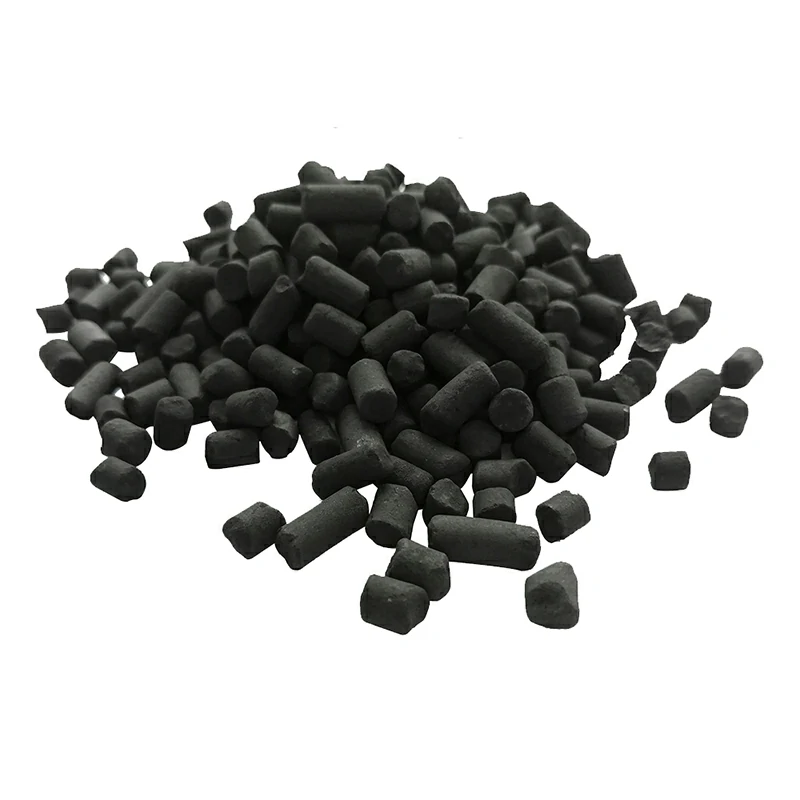
As a professional carbon molecular sieve (CMS) manufacturer, we understand that regeneration performance directly determines the efficiency, nitrogen purity, and service life of a PSA nitrogen generator.
In Pressure Swing Adsorption (PSA) systems, carbon molecular sieve is the core adsorbent responsible for separating oxygen from compressed air. However, many nitrogen generator users overlook a critical factor: proper CMS regeneration.
In this guide, we explain how carbon molecular sieve regeneration works, the main regeneration methods (atmospheric, vacuum, and purge regeneration), and how to optimize PSA nitrogen generator performance for high-purity nitrogen production.
1. The Fundamentals: Pressure Swing Adsorption (PSA) Cycle
PSA nitrogen generation is based on the selective adsorption properties of carbon molecular sieve.
Under high pressure (typically 0.6–1.0 MPa):
-
CMS preferentially adsorbs O₂, CO₂, and moisture
-
Nitrogen (N₂) passes through as product gas
When pressure decreases:
-
Adsorption equilibrium shifts
-
Oxygen desorbs from CMS micropores
-
The adsorbent is regenerated for the next cycle
Most PSA nitrogen generators use a dual-tower design:
-
Tower A: Adsorption (nitrogen production)
-
Tower B: Regeneration (oxygen desorption)
Efficient regeneration is critical for:
-
Maintaining 95%–99.999% nitrogen purity
-
Extending CMS lifespan (normally 3–5 years)
-
Reducing energy consumption
Main Carbon Molecular Sieve Regeneration Methods
1. Atmospheric Desorption (Pressure Reduction Regeneration)
Working Principle
After adsorption saturation:
-
The inlet valve closes
-
The exhaust valve opens
-
Pressure drops from adsorption pressure to 1 atm
Lower pressure weakens oxygen adsorption force, causing desorption from CMS micropores.
Process Steps
-
Equalization depressurization (energy recovery step)
-
Atmospheric venting
-
Oxygen discharge
Advantages
-
Simple system structure
-
No vacuum pump required
-
Lower initial investment
-
Suitable for 95%–99% nitrogen purity
Limitations
-
Incomplete desorption
-
Residual oxygen remains in micropores
-
Long-term efficiency decline
This method is commonly used in cost-sensitive industrial nitrogen applications.
2. Vacuum Desorption (Vacuum Regeneration)
For high-purity nitrogen systems, vacuum regeneration is the preferred solution.
Working Principle
After atmospheric depressurization:
-
A vacuum pump reduces tower pressure to –0.06 to –0.08 MPa
-
The larger pressure differential significantly enhances oxygen desorption
The greater the pressure difference, the more complete the regeneration.
Process Sequence
-
Equalization depressurization
-
Vacuum pumping (30–60 seconds typical)
-
Pressure recovery for next adsorption cycle
Advantages
-
More complete regeneration
-
Higher CMS utilization efficiency
-
Nitrogen purity up to 99.99%+
-
Stable long-term performance
Considerations
-
Additional vacuum system required
-
Slightly higher energy consumption
Vacuum PSA systems are widely used in:
-
Electronics manufacturing
-
Pharmaceutical production
-
Laser cutting
-
Food packaging
For customers requiring high-purity nitrogen generation, vacuum regeneration is strongly recommended.
3. Purge Regeneration (Nitrogen Backflow Purging)
Purge regeneration is typically combined with pressure or vacuum desorption.
How It Works
A portion (10%–20%) of dry product nitrogen from the operating tower is redirected:
-
Reverse-flow into the regeneration tower
-
Sweeps out desorbed oxygen
-
Dilutes residual impurities
Key Technical Requirements
-
Purge nitrogen must be dry (dew point ≤ –40°C)
-
Flow rate must be precisely controlled
-
Over-purging wastes product gas
-
Under-purging reduces regeneration efficiency
Why Purge Regeneration Matters
-
Prevents impurity accumulation
-
Improves bed uniformity
-
Stabilizes nitrogen purity
-
Extends carbon molecular sieve lifespan
Most modern PSA nitrogen generators use vacuum + purge regeneration for optimal performance.
Key Factors Affecting Carbon Molecular Sieve Regeneration Efficiency
1. Pressure Differential
Higher pressure difference = better desorption performance.
Vacuum regeneration offers significantly greater pressure swing compared to atmospheric systems.
2. Regeneration Time
Insufficient regeneration time leads to:
-
Reduced nitrogen purity
-
Lower nitrogen output
-
Increased energy consumption
Cycle timing must be precisely engineered according to tower size and CMS specification.
3. Temperature Control
Adsorption = exothermic
Desorption = endothermic
Moderate temperature increase can accelerate desorption, but excessive heat damages CMS micropore structure.
Standard PSA systems operate at ambient temperature to protect adsorbent integrity.
4. Air Pretreatment Quality
Carbon molecular sieve is highly sensitive to:
-
Oil contamination
-
Moisture
-
Dust particles
Improper pretreatment causes:
-
Micropore blockage
-
Chemical poisoning
-
Irreversible performance loss
Advanced systems may require periodic high-temperature nitrogen activation (300–400°C) to restore partial adsorption capacity.
How Regeneration Impacts CMS Service Life
Proper regeneration ensures:
-
Stable nitrogen purity
-
Consistent nitrogen flow rate
-
Reduced energy consumption
-
3–5 years typical CMS lifespan
Poor regeneration may reduce service life to 1–2 years.
As a professional carbon molecular sieve supplier, we recommend matching CMS specification with:
-
PSA cycle design
-
Regeneration method
-
Air pretreatment quality
-
Target nitrogen purity
Choosing the Right Regeneration Method
| Application Requirement | Recommended Regeneration |
|---|---|
| 95%–99% Nitrogen | Atmospheric + Purge |
| 99%–99.9% Nitrogen | Optimized Pressure Swing + Purge |
| 99.99%+ High Purity | Vacuum + Purge Regeneration |
Why Carbon Molecular Sieve Quality Matters
Not all CMS materials are equal.
High-performance carbon molecular sieve features:
-
Narrow micropore distribution
-
High oxygen adsorption selectivity
-
Fast adsorption kinetics
-
Strong mechanical strength
-
Low attrition rate
Proper regeneration can only achieve optimal performance if the CMS quality is consistent and engineered for PSA nitrogen generators.
Partner with a Reliable Carbon Molecular Sieve Manufacturer
With years of experience in PSA nitrogen generator adsorbent solutions, we provide:
-
High-performance carbon molecular sieve for 95%–99.999% nitrogen
-
Customized CMS grades for different PSA cycle designs
-
Technical support for regeneration optimization
-
Stable bulk supply for international distributors
-
OEM & private label packaging
If you are a:
-
PSA nitrogen generator manufacturer
-
Industrial gas equipment supplier
-
Engineering contractor
-
Nitrogen plant operator
We are ready to support your project with reliable CMS solutions.
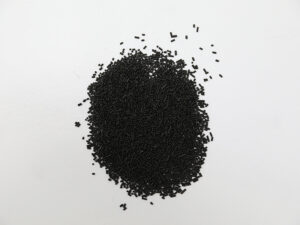
Contact Us for CMS Samples & Technical Consultation
Looking to improve nitrogen purity or extend your carbon molecular sieve lifespan?
Contact our technical team today for:
-
Product specifications
-
Sample testing
-
Regeneration optimization advice
-
Bulk pricing quotation
Upgrade your PSA nitrogen generator performance with high-quality carbon molecular sieve from a trusted manufacturer.