Posted by Admin

How to Extend Carbon Molecular Sieve Regeneration Cycle in PSA Nitrogen Generators | CMS Manufacturer Guide

Read More

How to Extend Carbon Molecular Sieve Regeneration Cycle in PSA Nitrogen Generators | CMS Manufacturer Guide

Learn how to extend the regeneration cycle of carbon molecular sieve (CMS) in PSA nitrogen generators. Expert tips from a professional CMS manufacturer to improve nitrogen purity, reduce energy consumption, and extend CMS service life.
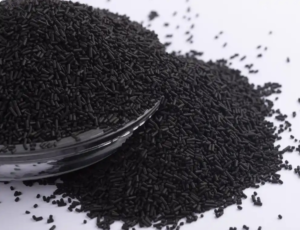
How to Extend Carbon Molecular Sieve Regeneration Cycle in PSA Nitrogen Generators

As a professional carbon molecular sieve (CMS) manufacturer, we are often asked by overseas customers:

How can we extend the regeneration cycle of carbon molecular sieve in a PSA nitrogen generator?

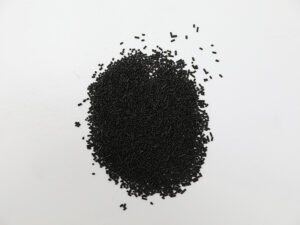
The regeneration cycle directly impacts nitrogen purity, energy consumption, CMS lifespan, and overall operating cost. By optimizing system design and protecting the adsorbent, you can significantly improve performance and reduce replacement frequency.

In this guide, we share practical, field-proven solutions to help you maximize the performance of your PSA nitrogen generator carbon molecular sieve.

1. Strengthen Air Pretreatment to Prevent CMS Contamination

The most critical factor affecting the regeneration cycle of carbon molecular sieve is contamination from compressed air impurities.

1.1 Remove Moisture and Oil

Water vapor and oil are the biggest threats to CMS performance:

  • Moisture blocks micropores and can reduce oxygen adsorption capacity by over 30%.
  • Oil vapor causes irreversible poisoning by coating the microporous structure.

Recommended Solutions:

  • Install high-efficiency oil filters (filtration accuracy ≤ 0.01 μm)
  • Use refrigerated dryers or desiccant air dryers
  • Maintain inlet air dew point ≤ -40°C
  • Replace filter elements every 3–6 months

Proper pretreatment ensures stable oxygen adsorption capacity, which directly extends the CMS regeneration interval.

1.2 Remove Dust and Hydrocarbons

  • Dust causes mechanical wear and increases pressure drop.
  • Hydrocarbons (lubricant vapors) may chemically damage the carbon structure.

Best Practice:

  • Install activated carbon filters for hydrocarbon removal
  • Use high-efficiency air filters (≤ 1 μm)
  • Keep dust ≤ 0.1 mg/m³
  • Keep hydrocarbon content ≤ 5 ppm

Clean inlet air means longer adsorption time and fewer regeneration cycles.

2. Optimize PSA Operating Parameters

The performance of a PSA nitrogen generator using carbon molecular sieve depends heavily on process settings.

2.1 Optimize Adsorption Pressure and Time

Higher pressure does not always mean better performance.

  • Recommended adsorption pressure: 0.6–0.8 MPa
  • Typical cycle time: 60–120 seconds
  • Avoid over-saturation of CMS

Real-time nitrogen purity monitoring helps determine optimal timing:

  • Purity ≥ 99.9% → adsorption time may be extended
  • Purity ≤ 99.5% → adsorption time should be shortened

Proper balance improves adsorption efficiency and reduces unnecessary regeneration.
2.2 Improve Regeneration Conditions

Effective regeneration ensures full oxygen desorption from CMS micropores.

Key factors:

  • Vacuum level: ≥ -0.08 MPa (≤ 0.02 MPa absolute pressure)
  • Nitrogen purge gas: 10–15% of product nitrogen
  • Regeneration time: Match vacuum and purge timing
  • Inlet air temperature: ≤ 40°C

Every 10°C increase in inlet temperature can reduce adsorption capacity by approximately 10%. Temperature control is critical for maintaining stable CMS performance.

With optimized PSA parameters, regeneration cycles can typically be extended by 10–20%.

3. Protect the Carbon Molecular Sieve Bed Structure

Maintaining bed integrity is essential for long-term CMS performance.

3.1 Control Air Flow Velocity

  • Superficial velocity ≤ 0.15 m/s
  • Pressure change rate ≤ 0.05 MPa/s during startup/shutdown

Rapid pressure fluctuations can cause CMS particle attrition and bed compaction.

3.2 Proper Bed Loading and Support

  • Use ceramic balls or quartz sand as bottom support layers
  • Ensure uniform filling to avoid channeling
  • Regularly monitor pressure drop

If pressure drop increases by more than 10%, inspect for dust accumulation or bed compaction.

Stable bed structure ensures uniform airflow distribution and more complete regeneration.

4. Perform Regular Maintenance and Performance Recovery

Even high-quality carbon molecular sieve for PSA nitrogen generation requires periodic monitoring.

Monthly Inspection Checklist:

  • Nitrogen purity
  • Pressure drop
  • Vacuum level
  • Dew point of compressed air

If performance declines:

  • Extend vacuum regeneration time by 10–20 seconds
  • Increase purge gas flow by 5%
  • Conduct deep regeneration with warm nitrogen (≤ 60°C)

Preventive maintenance can extend CMS service life from 3–5 years to 5–7 years.

Why Choosing High-Quality Carbon Molecular Sieve Matters

Even with optimized operating conditions, the quality of the carbon molecular sieve adsorbent is decisive.

Premium CMS offers:

  • Higher nitrogen production efficiency
  • Faster adsorption kinetics
  • Stronger mechanical strength
  • Lower attrition rate
  • Longer regeneration cycle stability

As a dedicated carbon molecular sieve manufacturer and supplier, we design our CMS with:

  • Narrow micropore size distribution
  • High bulk density
  • Superior crushing strength
  • Stable long-term oxygen selectivity

This ensures better compatibility with high-purity PSA nitrogen generators (99.5%–99.999%).

Final Thoughts

Extending the regeneration cycle of carbon molecular sieve requires:

  • Strict compressed air pretreatment
  • Optimized PSA operating parameters
  • Proper bed protection
  • Regular preventive maintenance

By implementing these strategies, regeneration cycles can be extended by 20–30%, while significantly reducing energy consumption and replacement costs.

If you are looking for high-performance carbon molecular sieve for PSA nitrogen systems, our technical team is ready to support your project with:

  • CMS model selection
  • System optimization recommendations
  • OEM customization
  • Global export supply

Contact us today to improve your nitrogen generation efficiency and reduce operating costs.

You may also like

Related posts

Scroll