How to Prevent Carbon Molecular Sieve Performance Decline in PSA Nitrogen Generators | CMS Manufacturer Guide
Learn how to prevent carbon molecular sieve (CMS) adsorption capacity decline in PSA nitrogen generators. Expert maintenance guide from a professional CMS manufacturer to extend service life and improve nitrogen purity.
How to Prevent Carbon Molecular Sieve Performance Decline in PSA Nitrogen Generators
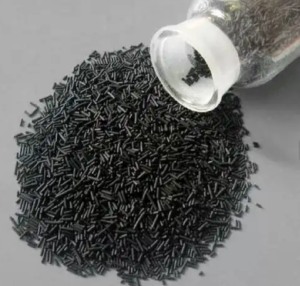
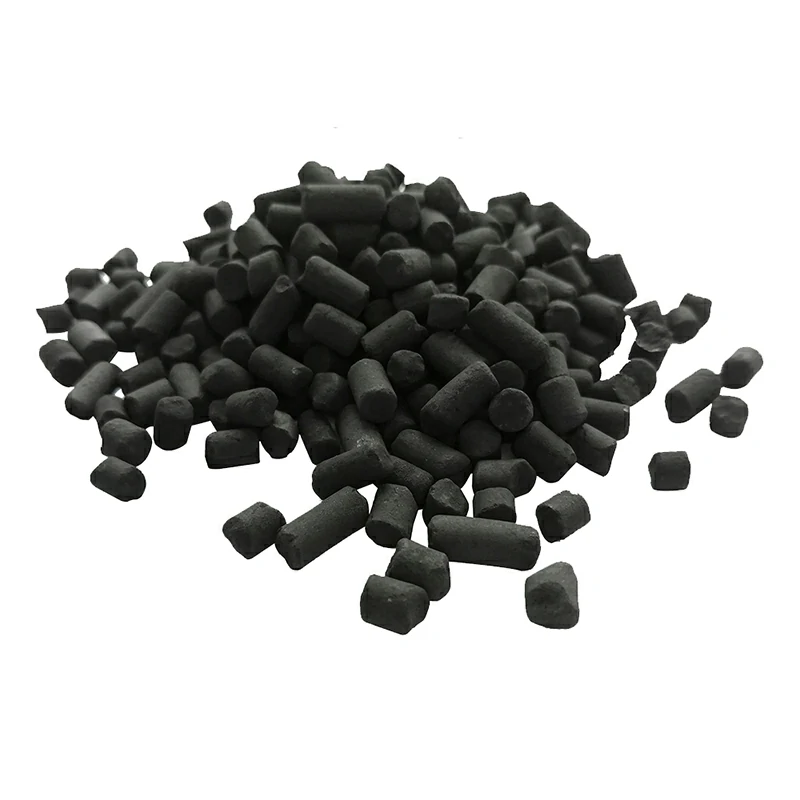
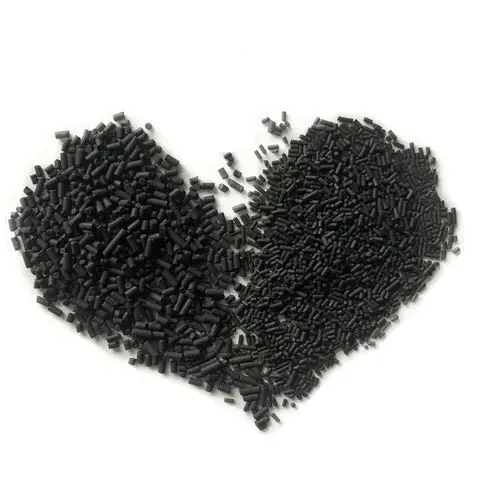
Carbon Molecular Sieve (CMS) is the core adsorbent material used in PSA nitrogen generators. Its performance directly determines nitrogen purity, nitrogen output efficiency, and energy consumption.
When carbon molecular sieve adsorption capacity declines, nitrogen purity drops, compressed air consumption increases, and operational costs rise. In severe cases, the entire PSA nitrogen system lifespan is shortened.
As a professional carbon molecular sieve manufacturer, we share practical and proven strategies to help you prevent CMS performance degradation and maximize the service life of your PSA nitrogen generator.
1. Strengthen Compressed Air Pretreatment (Critical for CMS Protection)
The most common cause of carbon molecular sieve deactivation is contaminated compressed air.
Moisture Control – Keep Dew Point ≤ -40°C
Water vapor blocks the micropores of carbon molecular sieve, drastically reducing oxygen adsorption efficiency. Long-term exposure causes pore swelling and permanent damage.
Recommended solution:
- Install refrigerated air dryers or desiccant air dryers
- Maintain compressed air dew point below -40°C
- Regularly drain condensate from air tanks
- Replace activated alumina or desiccant materials on schedule
Proper moisture control can extend CMS lifespan by 30–50%.
Oil Removal – Oil Content ≤ 0.1 mg/m³
Oil contamination is irreversible. Liquid oil and oil vapor permanently clog CMS micropores.
Recommended filtration system:
- High-efficiency oil-water separator
- Coalescing filter
- Activated carbon filter
- Replace filter elements every 3 months
Oil-free air is essential for long-term nitrogen generator stability.
Dust Filtration – Filtration Accuracy ≥ 1 μm
Dust causes:
- Surface abrasion
- Powdering of CMS pellets
- Increased pressure drop
Install multi-stage precision air filters if operating in dusty industrial environments.
Sulfur Removal (If Applicable)
Hydrogen sulfide (H₂S) chemically damages carbon molecular sieve structure.
Install:
- Zinc oxide desulfurization towers
- Activated carbon sulfur removal systems
Maintain sulfur content ≤ 0.05 mg/m³.
2. Optimize PSA Nitrogen Generator Operating Parameters
Even high-quality carbon molecular sieve will degrade prematurely if operating parameters are unstable.
Maintain Stable Working Pressure
Pressure fluctuation should be controlled within ±0.05 MPa.
Sudden pressure shocks cause:
- Pellet collision
- CMS powdering
- Bed channeling
Install pressure regulating valves and regularly inspect pneumatic valves.
Control Inlet Air Temperature ≤ 40°C
Carbon molecular sieve adsorption capacity decreases as temperature increases.
In high ambient temperature regions:
- Install aftercoolers or plate heat exchangers
- Clean heat exchangers regularly to prevent scaling
- Improve compressor cooling efficiency
Lower inlet temperature = higher nitrogen purity.
Optimize PSA Cycle Time (Typically 60–120 Seconds)
If cycle time is too short:
- Oxygen not fully adsorbed
- Nitrogen purity drops
If too long:
- Production efficiency decreases
Adjust cycle time based on:
- CMS model
- Nitrogen purity target (95%–99.999%)
- System design
3. Prevent Physical Damage and CMS Powdering
Mechanical damage is another major factor in adsorption performance decline.
Avoid High-Speed Air Impact
Install:
- Air distributors
- Buffer plates
- Soft valve switching systems
Sudden airflow directly hitting CMS bed leads to:
- Pellet cracking
- Dust formation
- Uneven bed distribution
Proper CMS Filling During Installation
Incorrect filling causes channeling and uneven airflow.
Correct method:
- Layer-by-layer filling
- Vibration compaction
- Ensure uniform bed density
If pressure drop increases abnormally, inspect for CMS powdering.
4. Ensure Complete Regeneration
Regeneration restores adsorption capacity by desorbing oxygen.
Regeneration Pressure Control
For vacuum regeneration:
- Pressure ≤ 0.02 MPa
For pressure swing adsorption:
- Ensure desorption time ≥ 50% of total cycle time
Incomplete regeneration leads to gradual nitrogen purity decline.
Regeneration Gas Must Be Dry and Clean
Regeneration gas dew point ≤ -40°C.
For heated regeneration systems:
- Temperature: 80–120°C
- Maximum limit ≤ 150°C (avoid CMS structural damage)
5. Reduce Aging and Extend Carbon Molecular Sieve Lifespan
Even premium-grade carbon molecular sieve has a natural lifespan (typically 3–5 years under proper conditions).
You can extend service life by:
- Avoiding frequent start-stop operations
- Running continuously at stable load
- Monitoring nitrogen purity daily
- Tracking pressure, temperature, and dew point
If nitrogen purity continuously drops below specification (e.g., 99.5%) and cannot be recovered by parameter adjustment, CMS replacement may be required.
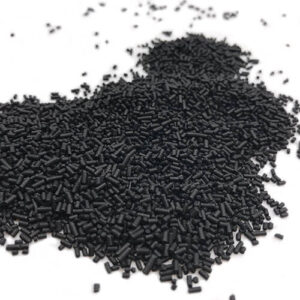
Why High-Quality Carbon Molecular Sieve Matters
Low-quality CMS often has:
- Weak compressive strength
- Poor pore size distribution
- Higher dust generation
- Shorter service life
As a professional carbon molecular sieve manufacturer, we provide:
- High adsorption capacity CMS
- Low attrition rate
- Uniform pore distribution
- Long service life (3–5+ years)
- Customized solutions for 95%–99.999% nitrogen purity systems
Our CMS is widely used in:
- Industrial nitrogen generators
- Laser cutting nitrogen systems
- Food packaging nitrogen systems
- Chemical and pharmaceutical industries
Final Thoughts
Preventing carbon molecular sieve adsorption capacity decline requires a systematic approach:
- Strict compressed air pretreatment
- Stable operating conditions
- Proper regeneration control
- Mechanical protection
- Continuous monitoring
By implementing these measures, you can significantly improve nitrogen generator performance, reduce operational costs, and extend CMS lifespan.
Looking for Reliable Carbon Molecular Sieve Supplier?
If you are:
- A nitrogen generator manufacturer
- A PSA system integrator
- An industrial gas distributor
- A maintenance service provider
We are ready to support your business with stable quality, competitive pricing, and fast global delivery.
Contact us today to get samples, technical data sheets, and customized CMS solutions for your PSA nitrogen system.