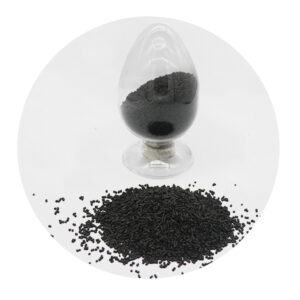
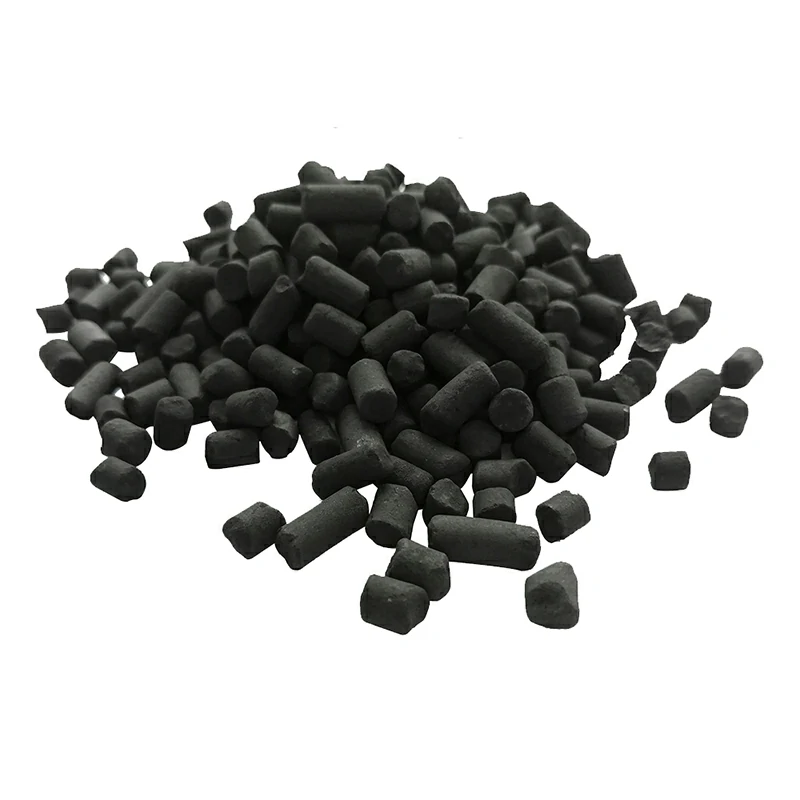
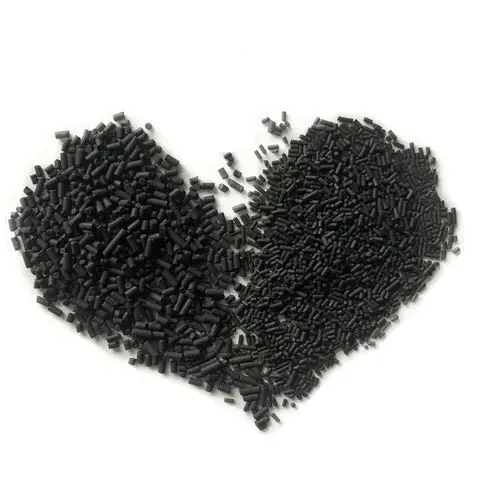
Carbon Molecular Sieve for Nitrogen Generators: How to Control Heat of Adsorption & Improve PSA Performance
Learn how to reduce heat of adsorption in PSA nitrogen generators using high-quality Carbon Molecular Sieve (CMS). Improve nitrogen purity, extend CMS lifespan, and optimize system stability. Manufacturer insights for global buyers.
How to Control Heat of Adsorption in PSA Nitrogen Generators
Manufacturer’s Guide to Improving Carbon Molecular Sieve Performance
In PSA nitrogen generators, Carbon Molecular Sieve (CMS) is the core adsorbent that determines nitrogen purity, stability, and operating cost.
However, many industrial users overlook one critical factor: heat of adsorption.
As a professional Carbon Molecular Sieve manufacturer, we frequently help international clients solve performance issues caused by excessive heat accumulation inside adsorption beds. In this article, we explain:
- Why heat of adsorption affects CMS performance
- How it reduces nitrogen purity
- Practical engineering solutions to extend CMS lifespan
- How to optimize your PSA nitrogen generation system
If you are purchasing Carbon Molecular Sieve for nitrogen generators, this guide will help you make a smarter decision.
1. Why Heat of Adsorption Matters in PSA Nitrogen Generators
PSA (Pressure Swing Adsorption) nitrogen systems separate oxygen from compressed air using CMS.
During operation:
- Oxygen is selectively adsorbed into CMS micropores (0.3–0.5 nm)
- The adsorption process is exothermic
- Heat of O₂ adsorption ≈ 20 kJ/mol
If this heat is not effectively dissipated, bed temperature rises rapidly.
Problems Caused by Excessive Heat
1️⃣ Reduced Adsorption Capacity
According to adsorption thermodynamics, oxygen adsorption capacity decreases as temperature increases.
- Every 10°C rise can reduce CMS capacity by 5–8%
- Nitrogen purity may drop from 99.99% to below 99.5%
- Oxygen breakthrough increases
For industries requiring high-purity nitrogen (laser cutting, electronics, food packaging), this directly affects production quality.
2️⃣ Shortened Carbon Molecular Sieve Lifespan
Long-term operation above 60°C may:
- Damage CMS microporous structure
- Cause pore collapse
- Lead to irreversible adsorption decline
- Increase dust formation
Normal CMS lifespan: 5–8 years
Overheated systems: 2–3 years only
For overseas buyers, this means higher replacement costs and downtime risk.
3️⃣ Channeling and Thermal Imbalance
Heat accumulation creates local hotspots inside the adsorption tower.
This may cause:
- Gas channeling
- Uneven airflow distribution
- Further localized overheating
- Accelerated CMS pulverization
This negative cycle severely impacts PSA nitrogen generator stability.
2. How to Reduce Heat of Adsorption: Engineering Solutions
Based on years of CMS manufacturing and field support experience, we recommend a multi-dimensional optimization strategy.
A. Control Heat Input from the Source
1️⃣ Optimize Compressed Air Pretreatment
Compressed air quality directly influences heat accumulation.
Air Cooling
- Install aftercoolers or heat exchangers
- Reduce inlet air temperature to below 30°C (ideal: 25°C)
- Every 10°C reduction can lower adsorption heat load by approx. 15%
Deep Drying
- Use refrigerated dryer + desiccant dryer combination
- Control dew point below -40°C
- Water adsorption heat (~44 kJ/mol) is more than double oxygen
Removing moisture significantly reduces additional thermal load.
2️⃣ Optimize PSA Cycle Time
Typical PSA cycle: 60–120 seconds.
If adsorption time is too long:
- Heat accumulates
- Bed temperature increases
Example:
Reducing cycle time from 120s to 90s lowered peak bed temperature from 58°C to 45°C in one industrial case.
Proper cycle design balances:
- Nitrogen production rate
- Heat dissipation efficiency
- CMS durability
B. Improve Heat Dissipation in Adsorption Towers
1️⃣ Upgrade Bed Structure
Add High Thermal Conductivity Materials
- 5–10% graphite powder
- Aluminum oxide particles
Graphite thermal conductivity ≈ 150 W/(m·K)
This helps distribute heat evenly and avoid hotspots.
Layered Packing Design
- 10–15% ceramic balls at bottom
- Mesh support at top
- Ensure uniform airflow distribution
This reduces channeling risk.
2️⃣ Improve Tower Cooling Design
For high-capacity nitrogen generators:
- Add aluminum cooling fins
- Increase surface heat exchange area
- Improve natural convection efficiency by 30%
For heavy-duty continuous operation:
- Install cooling jacket
- Circulate 20–25°C cooling water
- Actively remove bed heat
C. Optimize Operating Parameters
1️⃣ Control Adsorption Pressure
Recommended adsorption pressure: 0.6–1.0 MPa
Pressure above 1.2 MPa:
- Rapid increase in adsorption heat
- Higher thermal stress
Operating at ~0.8 MPa offers:
- Stable nitrogen purity
- Lower temperature fluctuation (<5°C)
2️⃣ Strengthen Desorption Cooling Effect
Desorption is endothermic.
Use:
- Vacuum desorption (down to 0.02 MPa)
- 5–10% nitrogen purge
This can reduce bed temperature by 10–15°C, offsetting adsorption heat.
3️⃣ Smart Temperature Monitoring
Install temperature sensors at:
- Top
- Middle
- Bottom of adsorption bed
When temperature exceeds 55°C:
- Shorten adsorption time
- Reduce airflow by 10%
- Stabilize system automatically
Intelligent PSA control systems significantly extend CMS service life.
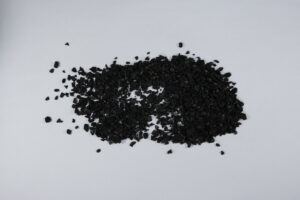
3. Maintenance Tips for Long-Term CMS Performance
Semi-Annual Inspection
Check for:
- Clumping
- Channeling
- Dust formation
Repack using vibration filling method.
Optimal packing density: 0.65–0.7 g/cm³.
Controlled Regeneration
If performance declines:
- Use 150–200°C nitrogen purge
- Flow rate: 20% of rated nitrogen output
- Do not exceed 200°C
Proper regeneration restores micropore efficiency without structural damage.
4. Why High-Quality Carbon Molecular Sieve Matters
Not all CMS performs the same under thermal stress.
High-quality CMS should provide:
- Uniform micropore size distribution
- High mechanical strength
- Low dust generation rate
- Stable adsorption kinetics
- Excellent thermal resistance
As a professional Carbon Molecular Sieve manufacturer, we engineer our CMS specifically for:
- PSA nitrogen generators (95%–99.999% purity)
- Laser cutting nitrogen systems
- Oil & gas nitrogen production
- Food-grade nitrogen systems
Our CMS is designed to minimize heat sensitivity and maintain stable performance under continuous operation.
Conclusion: Heat Control = Longer CMS Life + Stable Nitrogen Purity
Heat of adsorption is one of the most overlooked factors in PSA nitrogen generation.
By:
- Reducing inlet air temperature
- Optimizing cycle time
- Improving bed structure
- Enhancing cooling design
- Using premium-grade Carbon Molecular Sieve
You can extend CMS service life by more than 30% and maintain long-term nitrogen purity stability.
Looking for Reliable Carbon Molecular Sieve for Your Nitrogen Generator?
We supply high-performance Carbon Molecular Sieve for PSA nitrogen systems worldwide.
If you are:
- Nitrogen generator manufacturer
- Industrial gas distributor
- OEM integrator
- Plant operator
Contact us today for technical consultation and free sample evaluation.
Let’s optimize your PSA nitrogen system together.