PSA Nitrogen Generator Adsorption Bed Design | Carbon Molecular Sieve Optimization Guide
Learn how to design an efficient PSA nitrogen generator adsorption bed using carbon molecular sieve (CMS). Improve nitrogen purity, reduce pressure drop, and extend CMS lifespan with expert insights from a professional manufacturer.
PSA Nitrogen Generator Adsorption Bed Design: A Complete Guide for Carbon Molecular Sieve Optimization
As a professional manufacturer of carbon molecular sieve (CMS), we understand that the adsorption bed is the core component of any PSA nitrogen generator. A well-designed adsorption bed directly impacts nitrogen purity, production efficiency, energy consumption, and CMS service life.
In this guide, we share practical design principles and engineering insights to help you optimize your PSA system and maximize the performance of your carbon molecular sieve.
1. Adsorption Bed Structure & Material Selection
The adsorption vessel should typically adopt a cylindrical structure, which ensures uniform stress distribution during frequent pressure fluctuations in PSA cycles.
Key design considerations:
- Operating pressure range: 0.6–1.0 MPa (adsorption) and 0.05–0.1 MPa (desorption)
- Material options:
- Stainless steel (304 / 316L): Ideal for high-purity nitrogen applications
- Carbon steel with anti-corrosion lining: Cost-effective for industrial use
- Compliance with pressure vessel standards (e.g., ASME or equivalent)
- High-quality welding (TIG/argon arc) for leak-proof performance
A robust structure ensures long-term stability and safe operation under cyclic pressure conditions.
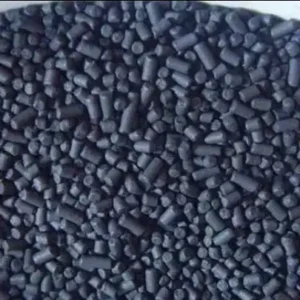
2. Carbon Molecular Sieve Loading Optimization
Proper CMS loading is critical to achieving high nitrogen purity and efficient oxygen adsorption.
Key parameters:
- Typical CMS oxygen adsorption capacity: 15–20 mL/g (ambient conditions)
- Bulk density after compaction: 600–700 kg/m³
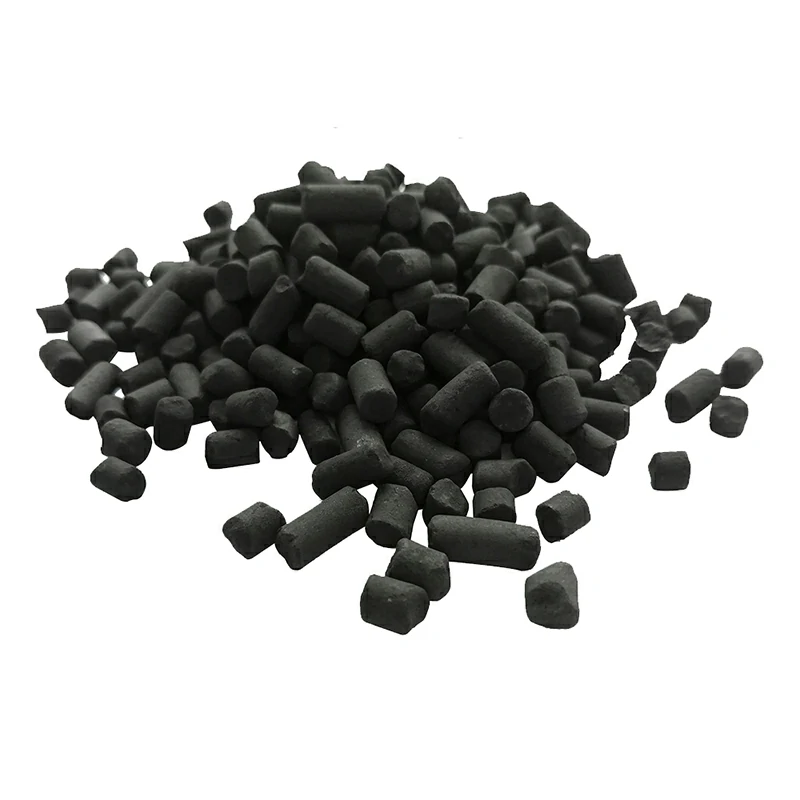
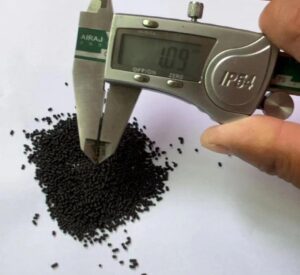
- Particle size: 1.5–2.5 mm
Best practices:
- Use dense loading with vibration compaction to avoid channeling
- Maintain 5–10% free space at the top for bed expansion
- Ensure uniform packing to maximize adsorption efficiency
Accurate loading improves gas distribution and extends CMS lifespan (typically 3–5 years).
3. Gas Distribution System Design
Uniform airflow distribution is essential to prevent channeling and underutilization of CMS.
Recommended configuration:
- Inlet:
- Perforated plate (10–15% open area)
- Gas distribution pipes (diameter = 1/5–1/6 of vessel diameter)
- Outlet:
- Stainless steel mesh (100–200 mesh)
- Quartz sand support layer
Design ratio:
- Bed diameter-to-height ratio: 1:3 to 1:6
This ensures even gas flow, stable nitrogen purity, and reduced pressure drop.
4. Pressure Cycling & Equalization Design
PSA systems operate under frequent pressurization and depressurization cycles, requiring high mechanical durability.
Key features:
- Pressure change rate: ≤ 0.2 MPa/s
- Use pressure equalization lines between twin towers
- Minimize dead zones to ensure complete desorption
- High-quality sealing (e.g., fluororubber gaskets)
Optimized pressure cycling reduces energy consumption and protects the CMS structure.
5. Temperature Control in Adsorption Beds
Temperature has a direct impact on CMS adsorption capacity. Higher temperatures reduce oxygen adsorption efficiency.
Control strategies:
- Maintain bed temperature: 20–40°C
- Pre-treat compressed air:
- Drying to dew point ≤ -40°C
- Cooling before entering the adsorption bed
- Optional jacketed vessel design with cooling water circulation
Effective thermal management ensures consistent nitrogen purity and stable operation.
6. Carbon Molecular Sieve Protection System
Contaminants such as oil, moisture, and dust can severely damage CMS and reduce its lifespan.
Recommended filtration system:
- Pre-filter: ≥10 μm particles
- Fine filter: ≥1 μm particles
- Activated carbon filter: residual oil ≤0.01 mg/m³
Additional protection measures:
- Control desorption airflow velocity: 0.5–1.0 m/s
- Maintain slight positive pressure during shutdown (0.1–0.2 MPa)
- Prevent moisture ingress
A proper protection system is essential for maintaining CMS performance over time.
7. Pressure Drop & Cycle Time Optimization
Balancing pressure drop and cycle time is key to achieving high efficiency.
Design targets:
- Pressure drop: 0.05–0.1 MPa
- Air velocity (space velocity): 500–1000 h⁻¹
- Adsorption time: 30–120 seconds
- Equalization time: 5–15 seconds
Optimized cycle timing prevents oxygen breakthrough while maximizing CMS utilization.
Conclusion: Integrated Design for High-Performance PSA Systems
Designing an efficient PSA adsorption bed is a system-level engineering process. Every factor—structure, airflow, pressure, temperature, and CMS protection—must work together.
With proper design and high-quality carbon molecular sieve, you can achieve:
- Nitrogen purity up to 99.999%
- Stable long-term operation
- Reduced energy consumption
- CMS lifespan of 3–5 years or more
Work with a Trusted Carbon Molecular Sieve Manufacturer
As an experienced CMS manufacturer, we not only supply high-performance carbon molecular sieve but also provide technical support for PSA system design and optimization.
If you are looking to improve your nitrogen generation system or source reliable CMS, feel free to contact us for customized solutions.