How to Determine Carbon Molecular Sieve Regeneration Frequency in PSA Nitrogen Generators
Learn how to optimize carbon molecular sieve regeneration frequency in PSA nitrogen generators. Improve nitrogen purity, extend CMS lifespan, and reduce operating costs with expert insights from a leading manufacturer.
How to Determine Carbon Molecular Sieve Regeneration Frequency in PSA Nitrogen Generators
As a professional carbon molecular sieve (CMS) manufacturer, we often receive questions from global clients about one critical issue:
“How often should carbon molecular sieve be regenerated in a PSA nitrogen generator?”
The answer is not fixed. It depends on operating conditions, feed air quality, nitrogen purity requirements, and CMS performance over time.
In this guide, we explain how to determine the optimal regeneration frequency, helping you maximize nitrogen production efficiency, purity stability, and CMS service life.

What Is Carbon Molecular Sieve Regeneration?
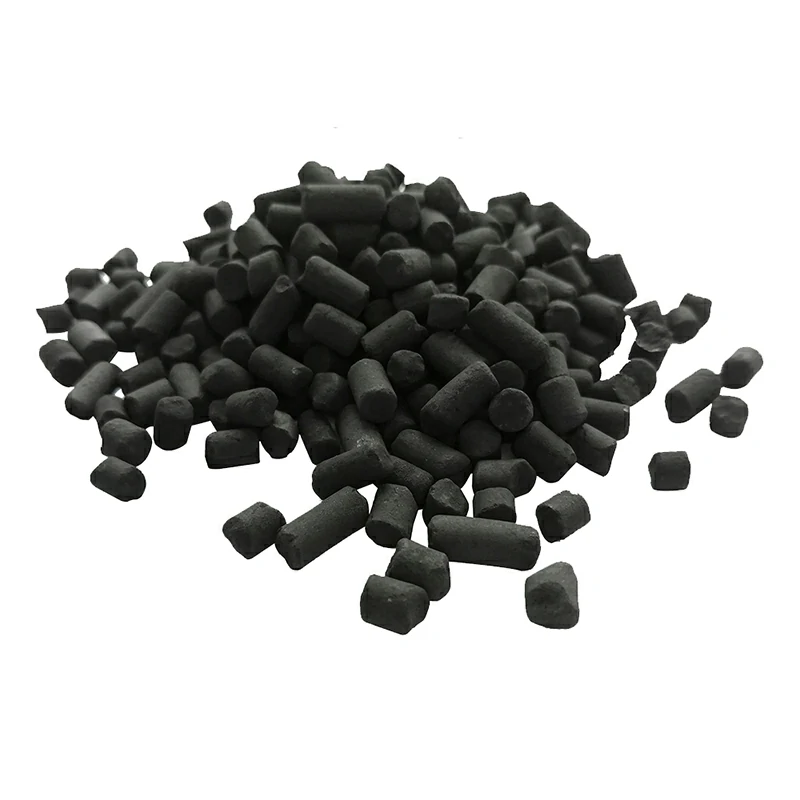
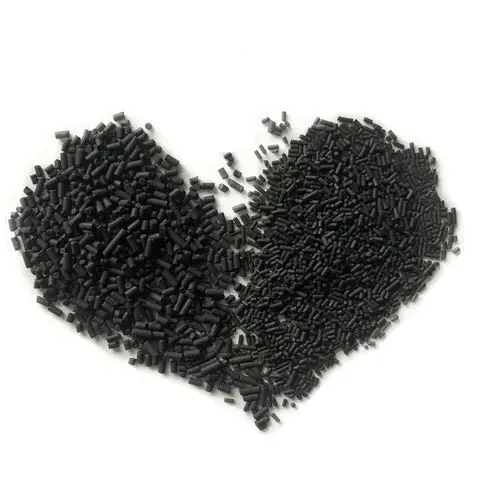
Carbon molecular sieve is the core adsorbent used in PSA (Pressure Swing Adsorption) nitrogen generators. It selectively adsorbs oxygen, CO₂, and moisture from compressed air.
The regeneration process involves:
- Depressurization
- Desorption of impurities
- Purge gas cleaning
This restores the adsorption capacity of CMS for the next cycle.
In most PSA systems, adsorption and regeneration alternate continuously in cycles (e.g., 60–90 seconds).
Key Factors Affecting Regeneration Frequency
1. Feed Air Quality
Feed air condition is the #1 factor affecting CMS performance.
- High humidity: Water vapor occupies CMS micropores → faster saturation
- Oil contamination: Causes irreversible poisoning of CMS
- Dust particles: Block pores and increase pressure drop
In humid environments (rainy seasons or tropical regions), regeneration frequency typically needs to increase by 10–20%.
✔ Manufacturer Tip:
Always install high-quality:
- Air filters
- Refrigerated or desiccant dryers
- Oil removal systems
2. Operating Load of Nitrogen Generator
The higher the load, the faster the CMS reaches saturation.
- Full load operation: Requires standard or higher regeneration frequency
- Partial load (e.g., 50%): Allows longer adsorption cycles
- Intermittent operation: Requires additional regeneration before restart
Example:
- Full load → 60-second cycle
- 50% load → extend to 90 seconds
3. Required Nitrogen Purity
Higher purity = deeper adsorption = faster saturation.
- 99% purity → standard cycle
- 99.9% purity → increased regeneration frequency
- 99.99%+ purity → significantly higher regeneration demand
👉 Increasing purity from 99% to 99.99% may require:
- 20–30% higher regeneration frequency
- More purge gas consumption
4. CMS Aging and Performance Decline
Over time, CMS experiences:
- Micropore structure degradation
- Reduced adsorption capacity
Typical lifespan: 3–5 years
- 10% performance loss → increase regeneration frequency by 10–15%
- 30% loss → replacement is recommended
Manufacturer Insight:
Increasing regeneration frequency can delay replacement, but cannot fully restore degraded CMS.
How to Determine the Optimal Regeneration Frequency
Step 1: Start from Manufacturer Design Parameters
Every PSA nitrogen generator is designed with a standard cycle.
Typical example:
- Total cycle: 60 seconds
- Adsorption: 45 seconds
- Regeneration: 15 seconds
This equals:
- 1,440 regeneration cycles per day
Step 2: Adjust Based on Real-Time Data
Monitor these critical indicators:
✔ Nitrogen Purity
- If purity drops → shorten cycle time
- If purity is stable → slightly extend cycle
✔ Pressure Behavior
- Rising pressure drop → indicates blockage or saturation
- Solution: increase regeneration frequency
✔ Exhaust Gas Analysis
- High oxygen concentration in exhaust = effective regeneration
Step 3: Adjust for Special Conditions
High Humidity Environment
- Increase regeneration ratio (30% → 40%)
- Increase purge gas flow
Continuous High Load Operation
- After 72 hours continuous running
- Reduce cycle time by 5–10%
Temporary High Purity Demand
- Increase regeneration frequency by 30%+
- Use high-purity nitrogen for purging
Best Practices for Stable CMS Performance
✔ Do NOT blindly reduce regeneration frequency
→ This leads to:
- Poor nitrogen purity
- Deep contamination of CMS
- Shortened lifespan
✔ Optimize regeneration parameters together:
- Pressure
- Purge flow rate
- Time
✔ Maintain pre-treatment system regularly:
- Replace filters
- Service air dryers
✔ Record and analyze operating data:
- Build performance curves
- Enable predictive maintenance
Why Regeneration Frequency Matters for Buyers
For industrial users and OEM buyers, proper regeneration control directly impacts:
- ✅ Nitrogen purity stability
- ✅ Energy consumption
- ✅ CMS replacement cost
- ✅ Equipment lifespan
A well-optimized system can reduce operating costs by 15–30% annually.
Conclusion
Determining the correct carbon molecular sieve regeneration frequency is a dynamic optimization process, not a fixed setting.
It requires balancing:
- Feed air quality
- Operating load
- Purity requirements
- CMS condition
As a trusted CMS manufacturer and PSA solution provider, we recommend continuous monitoring and adjustment to ensure maximum efficiency and long-term reliability.
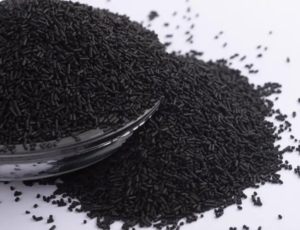
Looking for High-Performance Carbon Molecular Sieve?
We supply:
- High adsorption capacity CMS
- Long service life materials
- Customized solutions for PSA nitrogen systems
Contact us today to get:
- Free technical consultation
- CMS selection guidance
- Competitive factory pricing