Carbon Molecular Sieve Failure Symptoms in Nitrogen Generators | PSA Nitrogen System Issues
Discover the key symptoms of carbon molecular sieve failure in PSA nitrogen generators. Learn how reduced nitrogen purity, low output, and high energy costs impact your system—and when to replace your CMS.
Carbon Molecular Sieve Failure Symptoms in PSA Nitrogen Generators
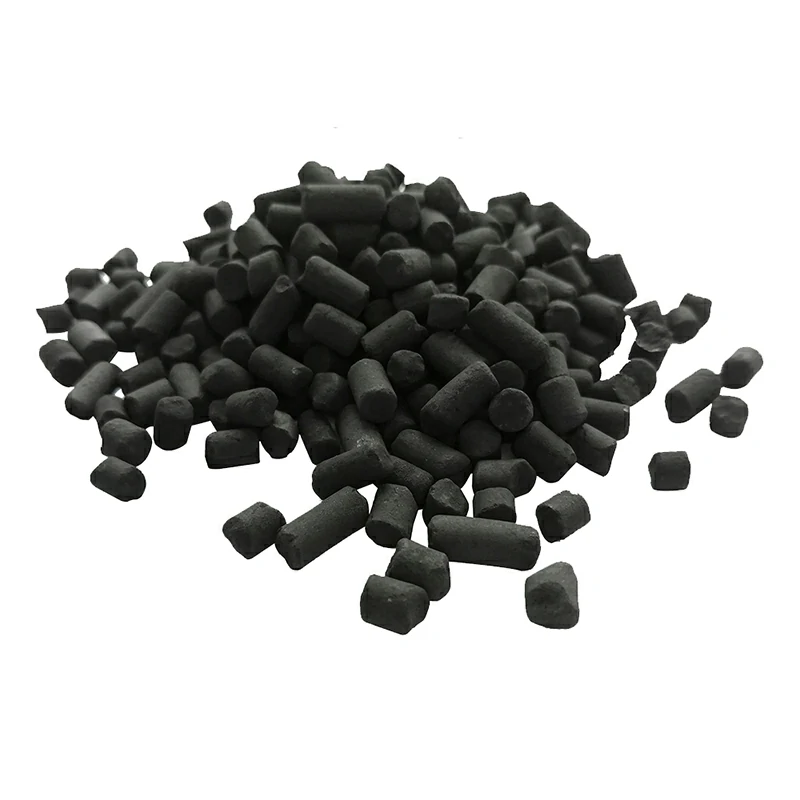
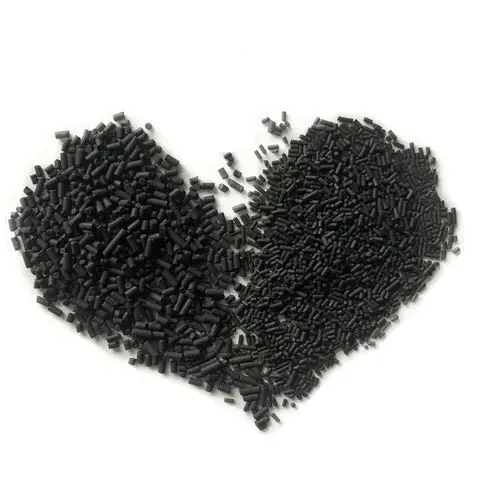
Carbon Molecular Sieve (CMS) is the core material in PSA (Pressure Swing Adsorption) nitrogen generators, responsible for separating nitrogen from oxygen and other gases.
When CMS becomes degraded due to aging, contamination, or mechanical damage, it directly affects nitrogen purity, production efficiency, and operating cost.
As a professional CMS manufacturer, we’ll walk you through the most common symptoms of carbon molecular sieve failure, helping you quickly diagnose issues and decide when replacement is necessary.
1. Drop in Nitrogen Purity (Most Critical Indicator)
One of the earliest and most obvious signs of CMS failure is declining nitrogen purity.
Typical symptoms:
- Nitrogen purity drops below design levels (e.g., from 99.99% to <99%)
- Oxygen analyzer shows increasing O₂ concentration
- Product oxidation or quality issues in downstream applications
Root cause:
CMS relies on micropores (0.3–0.5 nm) to selectively adsorb oxygen. When these pores are:
- Blocked by oil or moisture
- Damaged due to pressure fluctuations
- Poisoned by organic contaminants
…the adsorption capacity drops, leading to poor gas separation.
2. Reduced Nitrogen Output Capacity
Another common issue is a decline in nitrogen flow rate under the same operating conditions.
What you may notice:
- Lower nitrogen output than rated capacity
- Need to reduce purity (e.g., to 98%) to maintain flow
- Insufficient nitrogen supply for production lines
Why it happens:
- Reduced adsorption capacity limits oxygen removal per cycle
- Shortened adsorption time reduces overall production
- Channeling inside the bed allows gas to bypass CMS
3. Increased Energy Consumption
If your nitrogen generator suddenly consumes more power, CMS degradation could be the cause.
Common signs:
- Higher air compressor electricity usage
- Increased purge gas consumption
- Higher inlet pressure required to maintain performance
Explanation:
To compensate for reduced CMS performance, the system:
- Raises pressure
- Extends regeneration cycles
- Uses more compressed air
All of these lead to higher operating costs.
4. Unstable Adsorption-Regeneration Cycles
A failing CMS bed often causes cycle instability in PSA systems.
Observable issues:
- Faster switching cycles (e.g., 120s → 60s)
- Sudden pressure drops in adsorption towers
- Premature regeneration (“false saturation”)
Causes:
- Faster saturation due to lower adsorption efficiency
- Uneven CMS distribution inside the tower
- Localized failure zones in the bed
This not only affects performance but also accelerates valve wear and system fatigue.
5. CMS Powdering and System Blockage
Over time, degraded CMS can physically break down into fine powder.
Warning signs:
- Increased pressure drop across filters
- Black or gray dust in pipelines
- Frequent filter replacement
- Abnormal noise inside adsorption towers
Why it happens:
- Aging (typically after 5–8 years)
- Moisture exposure
- Repeated pressure shocks
Powdered CMS can:
- Block pipelines and valves
- Damage downstream equipment
- Reduce overall system reliability
6. Pressure Fluctuations and Unstable Flow
A healthy PSA system should maintain stable pressure. CMS failure disrupts this balance.
Symptoms:
- Fluctuating nitrogen outlet pressure (beyond ±0.05 MPa)
- Irregular pressure curves in adsorption towers
- Equipment malfunction downstream (e.g., laser cutters)
Root cause:
- Uneven airflow due to bed channeling or clogging
- Loss of adsorption efficiency
- Inability to maintain pressure equilibrium
Final Thoughts: When Should You Replace Carbon Molecular Sieve?
CMS failure symptoms are usually interconnected:
- Low purity → reduced output → higher energy cost
- Powdering → blockage → pressure instability
If you notice multiple issues simultaneously, it’s time to:
✔ Inspect CMS condition
✔ Test adsorption performance
✔ Replace with high-quality carbon molecular sieve
Why Choosing the Right CMS Supplier Matters
As a manufacturer, we understand that CMS quality directly determines nitrogen generator performance.
High-quality CMS offers:
- Stable nitrogen purity
- Longer service life
- Lower energy consumption
- Minimal dust formation
If you’re experiencing any of the above issues, upgrading your CMS can significantly improve efficiency and reduce operating costs.
Need Help Selecting the Right Carbon Molecular Sieve?
We provide:
- Customized CMS solutions for PSA nitrogen systems
- Technical support and performance evaluation
- Fast global delivery for replacement needs
Feel free to reach out—we’re here to help you optimize your nitrogen generation system.