Carbon Molecular Sieve for Nitrogen Generators in High Oxygen Environments | Manufacturer Guide
Can carbon molecular sieve (CMS) operate in high oxygen environments? Learn safety risks, performance impact, and expert solutions from a professional CMS manufacturer. Optimize your PSA nitrogen system today.
Carbon Molecular Sieve in High Oxygen Environments: A Manufacturer’s Perspective
As a professional manufacturer of carbon molecular sieve (CMS) for PSA nitrogen generators, one of the most common questions we receive from global clients is:
“Is carbon molecular sieve suitable for high oxygen concentration environments?”
The short answer is: it depends on the oxygen level, operating conditions, and system design.
In this article, we provide a practical, engineering-focused analysis to help you make the right decision for your nitrogen generation system.
1. How Carbon Molecular Sieve Works in PSA Nitrogen Systems
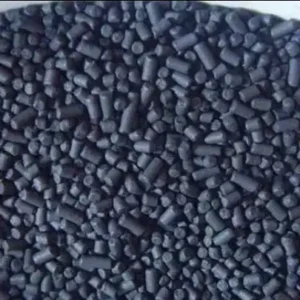
Carbon molecular sieve is the core adsorbent used in Pressure Swing Adsorption (PSA) nitrogen generation.
Its separation principle is based on kinetic selectivity:
- Oxygen (O₂) molecules are smaller (~0.346 nm)
- Nitrogen (N₂) molecules are slightly larger (~0.364 nm)
Because of this difference:
- Oxygen diffuses faster into CMS pores and is preferentially adsorbed
- Nitrogen passes through as the product gas
High-quality CMS features:
- Narrow micropore size distribution
- High surface area (>1000 m²/g)
- Strong mechanical durability
These properties ensure stable nitrogen purity and long service life—under normal air conditions (21% O₂).
2. What Happens in High Oxygen Concentration Environments?
When oxygen concentration rises above normal atmospheric levels (e.g., 30%–50% O₂ or oxygen-enriched air), two major challenges emerge:
2.1 Safety Risks: Oxidation and Combustion
Carbon is inherently reactive with oxygen under certain conditions.
In high oxygen environments:
- The auto-ignition temperature of CMS decreases significantly
- Heat from adsorption (exothermic process) may accumulate
- Contaminants like oil or dust can trigger combustion
Key risk factors include:
- Oxygen concentration >25%
- High pressure and temperature
- Poor air pretreatment (moisture, hydrocarbons)
👉 Result: Increased risk of oxidation damage or even self-ignition in extreme cases.
2.2 Performance Degradation: Reduced Adsorption Efficiency
Long-term exposure to high oxygen levels leads to gradual oxidation of CMS:
- Micropore structure becomes damaged
- Surface area decreases
- Selectivity between O₂ and N₂ weakens
Typical impacts:
- Nitrogen purity drops (e.g., from 99.9% to below 98%)
- Nitrogen output decreases (up to 20% loss)
- CMS lifespan shortens (from 3–5 years to 1–2 years or less)
3. Can CMS Be Used in High Oxygen Applications?
✔ Acceptable Conditions (With Optimization)
CMS can still be used if:
- Oxygen concentration is below ~25%
- Operation is short-term or intermittent
- System design is carefully optimized
⚠ Not Recommended for Long-Term Use
For:
- Oxygen concentration above 30%
- Continuous industrial operation
Using standard CMS is not recommended, due to:
- Higher replacement costs
- Reduced system reliability
- Increased safety risks
4. Engineering Solutions for High Oxygen Conditions
If your process requires operation in oxygen-enriched environments, we recommend the following strategies:
4.1 Advanced Air Pretreatment
- Dew point ≤ -40°C
- Oil removal < 0.01 mg/m³
- Efficient dust filtration
This minimizes oxidation triggers.
4.2 Optimized PSA Operating Parameters
- Lower adsorption pressure
- Shorter cycle times
- Reduced oxygen residence time
4.3 Oxygen-Resistant Carbon Molecular Sieve
As a manufacturer, we offer enhanced CMS products with:
- High-temperature treatment
- Anti-oxidation surface modification
These solutions can:
- Extend service life to 2–3 years in moderate oxygen enrichment
- Improve system stability
4.4 Safety Monitoring Systems
- Temperature sensors inside adsorption towers
- Oxygen concentration alarms
- Automatic pressure relief systems
5. Alternative Technologies to Consider
For high oxygen (>30%) continuous applications, alternative nitrogen generation methods may be more suitable:
- Membrane nitrogen generators
- Hybrid systems
These technologies offer better oxygen tolerance, though with different cost and purity trade-offs.
6. Final Recommendation from a CMS Manufacturer
Carbon molecular sieve is optimized for air-based nitrogen generation, and its performance is best under standard atmospheric conditions.
👉 In high oxygen environments:
- Short-term use is feasible with strict controls
- Long-term use requires specialized CMS or alternative solutions
Looking for High-Performance Carbon Molecular Sieve?
We supply:
- Standard CMS for PSA nitrogen systems
- Oxygen-resistant CMS for demanding environments
- Custom solutions based on your operating conditions
Contact us today to optimize your nitrogen generation system and reduce long-term operating costs.