Carbon Molecular Sieve for Nitrogen Generators: Safety, Performance & Industrial Applications
Is carbon molecular sieve (CMS) safe in nitrogen generators? Learn how CMS works, whether it produces harmful substances, and why it’s the best choice for PSA nitrogen generation systems.
Carbon Molecular Sieve in Nitrogen Generators: Is It Safe and Reliable?
As a professional manufacturer of carbon molecular sieve (CMS), one of the most common questions we receive from global buyers is:
Does carbon molecular sieve produce harmful substances during nitrogen generation?
The short answer is: No.
In this article, we provide a clear and technical explanation of CMS safety, working principles, and environmental impact—helping you make confident purchasing decisions for your nitrogen generation systems.
What Is Carbon Molecular Sieve (CMS)?
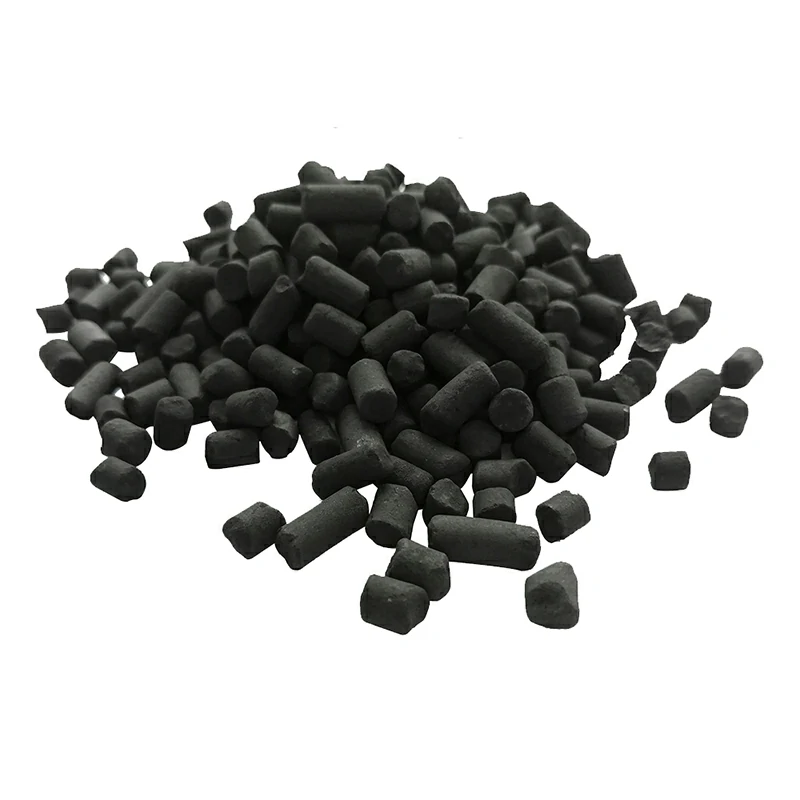
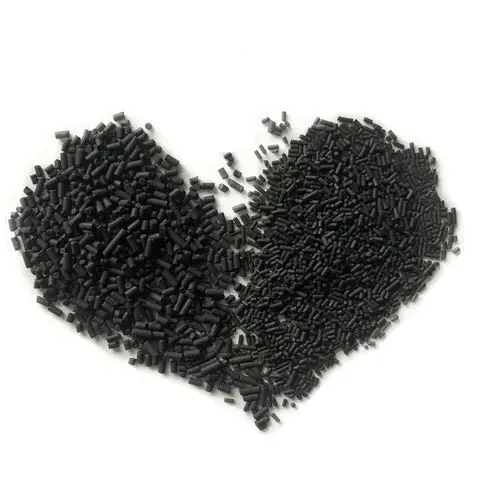
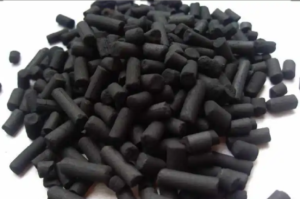
Carbon Molecular Sieve (CMS) is a high-performance adsorbent material widely used in PSA (Pressure Swing Adsorption) nitrogen generators.
It is produced from raw materials such as:
- Coconut shell
- Coal
- Resin or petroleum coke
Through advanced processes including:
- Carbonization (800–1000°C)
- Activation (steam or CO₂ treatment)
The result is a highly stable porous carbon material with a micro-pore size of approximately 0.3–0.5 nm, ideal for separating oxygen and nitrogen molecules.
Does CMS Produce Harmful Substances?
1. Pure Physical Separation Process
In PSA nitrogen generators, CMS works through physical adsorption, not chemical reactions:
- Oxygen molecules are adsorbed into CMS pores
- Nitrogen passes through as the output gas
- During regeneration, oxygen is released back into the air
Key Point:
No new substances are created. The system only separates existing air components.
2. No Toxic Emissions
Under normal operating conditions, CMS:
- Does not release VOCs (volatile organic compounds)
- Does not emit toxic gases
- Does not leach heavy metals
The exhaust gas typically contains:
- Oxygen
- Carbon dioxide
- Water vapor
All of which are naturally present in air.
3. Chemically Stable Material
CMS is:
- Over 90% pure carbon
- Structurally stable at standard temperatures and pressures
- Considered an inert material
This means it does not decompose or react to form harmful byproducts during operation.
What Happens When CMS Reaches End of Life?
The typical lifespan of carbon molecular sieve is 5–8 years, depending on operating conditions.
After deactivation:
- It remains a non-toxic solid material
- Can be safely disposed of as general industrial waste
Disposal Options:
- Landfill: No soil or groundwater contamination
- Recycling / Reuse: Possible in some industrial applications
- Combustion: Produces only CO₂ and inert ash
There is no hazardous waste classification under normal conditions.
Are There Any Risks in Abnormal Conditions?
Even in non-ideal situations, CMS remains safe:
High Temperature (>200°C)
- May cause slow carbon oxidation
- Produces CO₂ only, not toxic gases
Moisture Exposure
- Reduces adsorption efficiency
- No chemical reaction or harmful output
Contaminated Air (Oil, SO₂, etc.)
- Can damage CMS performance
- But contamination comes from incoming air, not CMS itself
Proper air filtration is essential for system longevity—not safety.
Compliance with International Standards
High-quality CMS products meet strict industrial standards, including:
- Low heavy metal content
- Minimal residual chemicals
- Controlled dust and purity levels
This ensures:
- Safe operation
- Stable nitrogen purity
- Long service life
Why Choose Our Carbon Molecular Sieve?
As a trusted manufacturer and exporter, we provide:
✔ High nitrogen yield and efficiency
✔ Long service life (5–8 years)
✔ Strict quality control and testing
✔ Stable performance in PSA systems
✔ Global export experience and technical support
Our CMS is widely used in:
- Oil & gas
- Food packaging
- Electronics manufacturing
- Chemical processing
Final Conclusion
Carbon Molecular Sieve is a safe, environmentally friendly, and highly efficient material for nitrogen generation.
✔ No harmful substances are produced
✔ No toxic emissions during operation
✔ Safe disposal after use
✔ Reliable under both normal and abnormal conditions
For industrial nitrogen generation, CMS remains the best and most trusted solution worldwide.
Looking for a Reliable CMS Supplier?
If you are sourcing carbon molecular sieve for nitrogen generators, we are here to help.
Contact us today for:
- Technical consultation
- Product specifications
- Competitive pricing
- test samples
Let us support your nitrogen generation system with high-performance, safe, and durable CMS solutions.