Carbon Molecular Sieve Static Electricity in Nitrogen Generators | CMS Manufacturer Guide
Does carbon molecular sieve produce static electricity in PSA nitrogen generators? Learn causes, risks, and proven anti-static solutions from a professional CMS manufacturer.
Does Carbon Molecular Sieve Generate Static Electricity in PSA Nitrogen Generators? (Manufacturer Insight)
As a professional carbon molecular sieve (CMS) manufacturer, one of the most common questions we receive from global clients is:
“Will carbon molecular sieve generate static electricity inside a nitrogen generator?”
The short answer is: Yes — and it must be properly controlled.
In this article, we will explain:
- Why static electricity occurs in PSA nitrogen systems
- The real risks to your CMS and equipment
- Proven industrial solutions to eliminate static buildup
This guide is designed to help you improve nitrogen purity, extend CMS lifespan, and ensure operational safety.
1. Why Does Carbon Molecular Sieve Generate Static Electricity?
Static electricity is caused by charge imbalance due to friction, contact, and separation of materials.
Inside a PSA nitrogen generator, this phenomenon becomes unavoidable due to the working conditions.
Key Causes:
1. Particle Friction and Collision
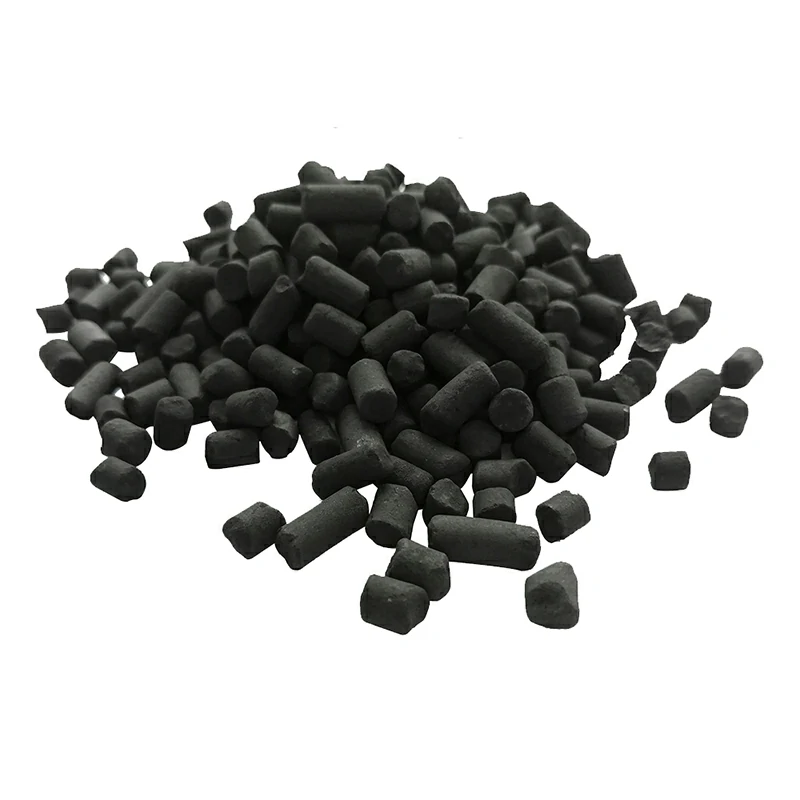
Carbon molecular sieve particles (0.5–2 mm) are constantly:
- Rubbing against each other
- Colliding under airflow pressure
This generates triboelectric charging, leading to charge accumulation.
2. High-Speed Airflow Impact
Compressed air flows through the CMS bed at:
- 1–3 m/s velocity
- Pressure: 0.6–1.0 MPa
This causes:
- Repeated contact and separation between CMS and tower walls
- Continuous electron transfer
3. Ultra-Dry Operating Conditions
PSA systems require:
- Low dew point (≤ -40°C)
Dry air has very low conductivity, meaning:
- Static charges cannot dissipate naturally
- Electricity accumulates over time
4. Large Surface Area of CMS
CMS has a highly porous structure, increasing:
- Contact surface with gas
- Probability of charge generation
2. Is Static Electricity in CMS Systems Dangerous?
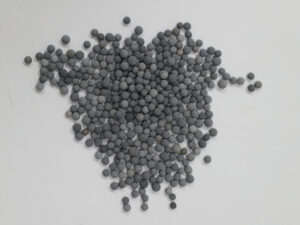
Yes — static electricity is not just a theoretical issue. It creates real operational and safety risks.
Main Risks Include:
⚠️ 1. Reduced Nitrogen Purity
Static discharge can:
- Damage CMS pore structure
- Reduce oxygen adsorption capacity
Result:
- Lower nitrogen purity
- Reduced production efficiency
2. Shortened CMS Lifespan
Electrostatic oxidation can:
- Degrade carbon structure
- Increase replacement frequency
Typical lifespan may drop from:
- 3–5 years → 1–2 years
3. Fire and Explosion Hazard
During desorption:
- Oxygen concentration increases
If static sparks occur:
- Carbon (flammable material) may ignite
This can lead to:
- Local burning
- Severe explosion risk
4. Equipment Malfunction
Static interference may affect:
- Pressure sensors
- Solenoid valves
- Control systems
3. Proven Anti-Static Solutions for Carbon Molecular Sieve Systems
As a trusted CMS supplier, we recommend the following industrial-grade solutions:
1. Optimize Airflow Design
- Control airflow velocity ≤ 1.5 m/s
- Use high-quality gas distributors
- Avoid turbulence and particle agitation
2. Proper Grounding System
- Install internal grounding mesh inside adsorption towers
- Ensure tank grounding resistance ≤ 4Ω
This allows:
- Static charges to safely dissipate into the ground
3. Adjust Air Humidity (Critical Balance)
- Increase dew point to around -25°C (if applicable)
This:
- Improves air conductivity
- Reduces static buildup
Must be carefully controlled to avoid CMS damage.
4. Use Anti-Static Carbon Molecular Sieve
We strongly recommend:
- Conductive CMS with additives (e.g., graphite)
Benefits:
- Lower electrical resistance
- Reduced charge accumulation
- Improved operational safety
5. Regular Inspection & Maintenance
- Monitor static voltage (<1 kV recommended)
- Remove dust buildup inside towers
- Check grounding system periodically
4. How to Choose the Right Carbon Molecular Sieve Supplier
Not all CMS products are equal. When sourcing internationally, ensure your supplier provides:
✔ Stable particle strength (low dust generation)
✔ Anti-static or conductive CMS options
✔ Consistent pore size distribution
✔ Long service life (3–5 years)
✔ Technical support for PSA system optimization
5. Final Thoughts from a CMS Manufacturer
Static electricity in PSA nitrogen generators is inevitable—but controllable.
With the right:
- CMS material selection
- System design
- Preventive measures
You can achieve:
- Higher nitrogen purity
- Longer CMS lifespan
- Safer plant operation
Looking for High-Quality Carbon Molecular Sieve?
As a leading carbon molecular sieve manufacturer and exporter, we offer:
- Standard & anti-static CMS grades
- Custom solutions for PSA nitrogen systems
- Fast global delivery
- Technical consultation support
Contact us today to get a free quotation and technical recommendation.