How to Prevent Carbon Molecular Sieve Clumping in PSA Nitrogen Generators | Manufacturer Guide
Learn how to prevent carbon molecular sieve clumping in PSA nitrogen generators. Expert tips from a manufacturer to improve nitrogen purity, extend CMS lifespan, and optimize performance.
How to Prevent Carbon Molecular Sieve Clumping in PSA Nitrogen Generators
A Manufacturer’s Practical Guide for Long-Term Performance
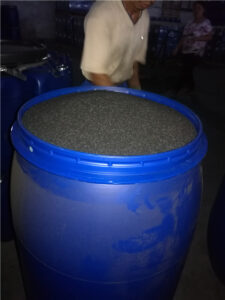
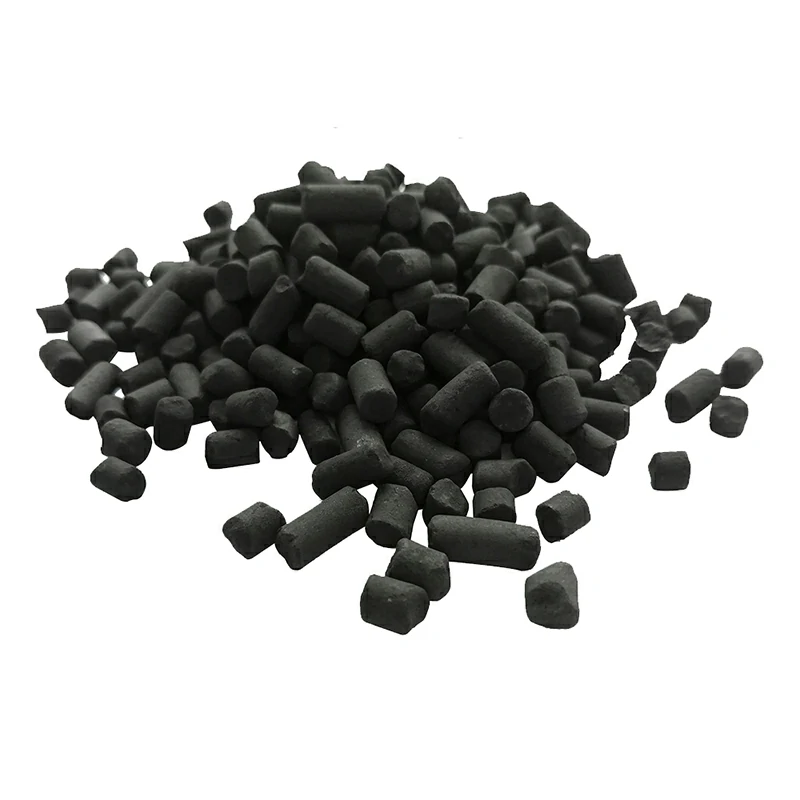
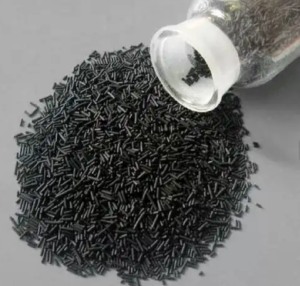
Carbon Molecular Sieve (CMS) is the core adsorbent used in PSA nitrogen generators, directly determining nitrogen purity, recovery rate, and system efficiency. However, carbon molecular sieve clumping is one of the most common issues affecting performance and lifespan.
From our years of manufacturing and field experience, clumping not only increases pressure drop but also reduces adsorption capacity and may even damage internal tower structures.
In this guide, we share proven strategies to prevent CMS clumping, helping you maximize performance and reduce operational costs.
1. Control Moisture in Compressed Air (Critical Factor)
Moisture is the primary cause of carbon molecular sieve failure and clumping.
CMS has slight hydrophilic properties. When exposed to water vapor:
- It undergoes irreversible expansion
- Micropores get blocked
- Particles stick together and form hard blocks
Best Practices:
- Use refrigerated dryers + desiccant air dryers for deep dehydration
- Maintain inlet air dew point below -40°C (depending on CMS grade)
- Regularly monitor dew point sensors
- Replace dryer desiccants when performance drops
Shutdown Protection:
During long shutdowns:
- Purge the system with dry nitrogen
- Seal the adsorption towers to prevent moisture ingress
2. Optimize Airflow Distribution and Velocity
Uneven airflow causes localized high-speed impact, leading to:
- CMS particle movement
- Friction and breakage
- Gradual clumping and channeling
Engineering & Operation Tips:
- Install uniform gas distributors (perforated plates or diffusers)
- Keep airflow velocity ≤ 0.15 m/s
- Avoid overloading the system
- Ensure smooth valve switching in PSA cycles
3. Control Regeneration Temperature
Excessive heat can damage CMS pore structure and cause sintering.
Recommended Limits:
- Heated regeneration: 120–150°C
- Maximum safety limit: <180°C
- Non-heated PSA: keep purge gas near ambient temperature
Monitoring:
- Install temperature sensors at tower inlet/outlet
- Investigate any abnormal temperature spikes immediately
4. Remove Oil and Dust Contaminants
Oil and fine particles are silent killers of CMS performance.
They:
- Block micropores
- Cause particle adhesion
- Accelerate clumping and deactivation
Filtration System Requirements:
- Multi-stage filtration setup:
- Pre-filter (dust removal)
- Coalescing filter (oil removal)
- Filtration precision: ≤0.1 μm
- Oil content: ≤0.1 mg/m³
- Dust content: ≤0.01 mg/m³
Maintenance:
- Replace filter elements when pressure drop ≥0.1 MPa
- Perform monthly contamination analysis
5. Ensure Proper CMS Loading
Incorrect loading leads to uneven bed density, causing collapse and clumping over time.
Correct Loading Procedure:
- Clean adsorption towers thoroughly before loading
- Use layer-by-layer filling (≤30 cm per layer)
- Apply gentle vibration for uniform packing
- Avoid dropping CMS from heights >1 meter
Bed Protection:
- Install support screens and hold-down grids
- Prevent particle fluidization during operation
6. Maintain Stable Pressure Conditions
Frequent pressure fluctuations cause:
- Particle compression and friction
- Powder formation → clumping
Operational Recommendations:
- Adsorption pressure: 0.6–0.8 MPa
- Regeneration pressure: 0.02–0.05 MPa
- Gradual startup: ≤0.1 MPa/min
- Avoid frequent start-stop cycles
7. Routine Monitoring and Preventive Maintenance
Early detection is key to avoiding major failures.
What to Monitor:
- Nitrogen purity trends
- Pressure drop across towers
- Dew point stability
- Flow rate consistency
Inspection Schedule:
- Check bed height every 6 months
- Replace CMS if:
- Bed drops >5%
- Visible clumping or powdering occurs
Why Choosing High-Quality CMS Matters
Even with perfect operation, low-quality carbon molecular sieve will fail prematurely.
As a professional manufacturer, we ensure:
- High mechanical strength (anti-crushing)
- Uniform pore size distribution
- Low dust generation
- Long service life
This directly reduces the risk of clumping and ensures stable nitrogen purity.
Conclusion
Preventing carbon molecular sieve clumping is a system-level strategy, involving:
- Air pretreatment
- Equipment design
- Proper loading
- Stable operation
- Continuous monitoring
By implementing these best practices, you can:
- Extend CMS lifespan
- Maintain high nitrogen purity
- Reduce maintenance costs
- Improve overall PSA system reliability
Looking for Reliable Carbon Molecular Sieve?
If you are sourcing high-performance CMS for PSA nitrogen generators, we can help.
We supply:
- Multiple CMS grades for different purity requirements
- OEM-compatible solutions
- Technical support for system optimization
Contact us today to get expert recommendations and competitive pricing.