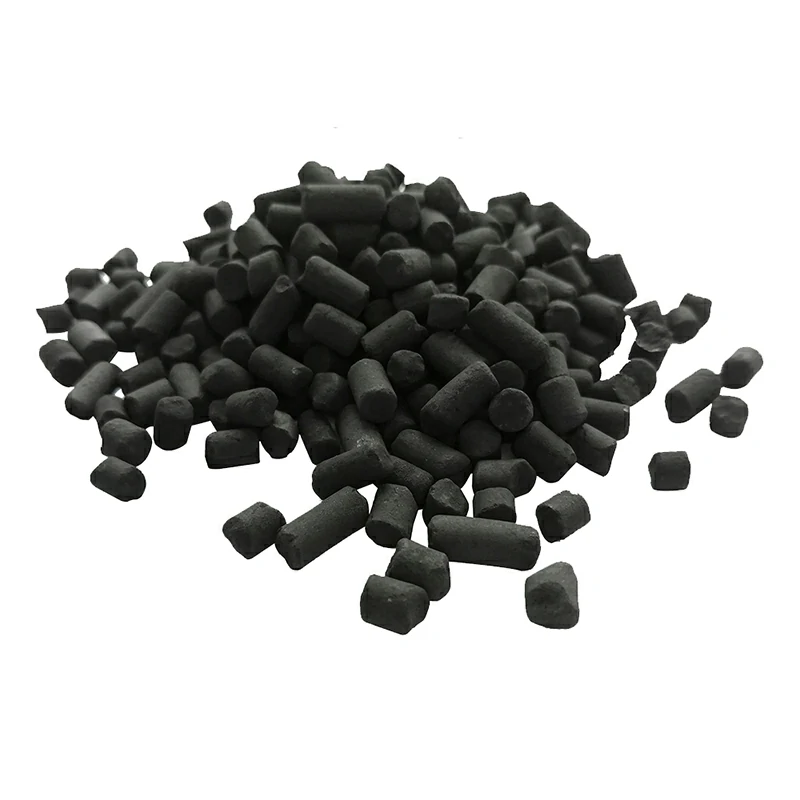
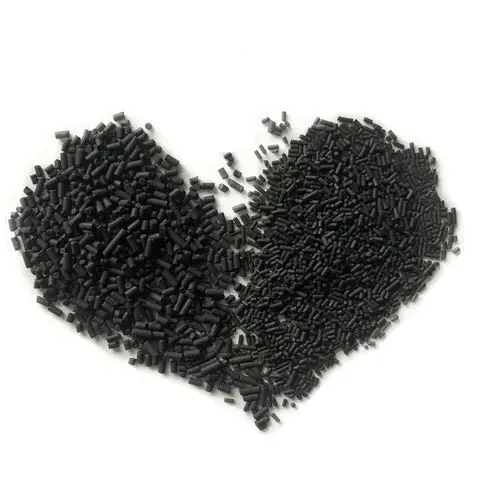
How to Choose Carbon Molecular Sieve for Nitrogen Generators | PSA & VPSA Guide
Learn how to select the right carbon molecular sieve (CMS) for PSA/VPSA nitrogen generators. Improve nitrogen purity, reduce energy costs, and extend system lifespan with expert insights from a professional manufacturer.
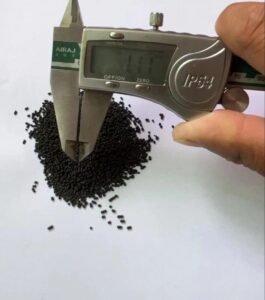
How to Choose the Right Carbon Molecular Sieve for Nitrogen Generators (PSA/VPSA Systems)
As a professional carbon molecular sieve (CMS) manufacturer, we understand that selecting the right CMS is critical to the performance of your nitrogen generation system. The correct match directly impacts nitrogen purity, output capacity, energy efficiency, and operational lifespan.
In this guide, we’ll walk you through how to choose the best carbon molecular sieve for your PSA (Pressure Swing Adsorption) or VPSA (Vacuum Pressure Swing Adsorption) nitrogen generator.
1. Match CMS with Your Nitrogen Generator Specifications
1.1 Nitrogen Output Capacity (Nm³/h)
Your required nitrogen flow rate determines the CMS filling volume.
- Higher CMS adsorption capacity → lower filling quantity required
- Compact system design → reduced capital cost
- Example: A 100 Nm³/h nitrogen generator requires optimized CMS loading based on cycle time and adsorption efficiency
Tip from manufacturer: Always calculate CMS loading based on both adsorption capacity and cycle time, not just output.
1.2 Nitrogen Purity Requirements
Different industries require different purity levels:
- 95–99% → metallurgy, tire inflation
- 99.9–99.999% → electronics, food packaging, pharmaceuticals
To achieve higher purity:
- Choose CMS with a high nitrogen-oxygen separation factor
- Ensure strong selective adsorption of oxygen
Higher selectivity = better purity with lower energy consumption
1.3 Operating Pressure Compatibility
- PSA systems: 0.6–1.0 MPa (pressurized adsorption)
- VPSA systems: atmospheric adsorption + vacuum desorption
CMS must be optimized for:
- High-pressure stability (PSA)
- Efficient desorption under vacuum (VPSA)
Using the wrong type can lead to performance loss and shorter service life
2. Key Performance Indicators of High-Quality CMS
2.1 Compressive Strength & Anti-Pulverization
Frequent pressure cycling can cause CMS breakdown.
Choose CMS with:
- High compressive strength (≥90%)
- Low abrasion rate
Why it matters:
- Prevents dust formation
- Avoids clogging valves and pipelines
- Ensures long-term stable operation
2.2 Adsorption Kinetics (Speed Matters)
Fast adsorption/desorption is essential for modern nitrogen generators.
- Typical cycle time: 30–120 seconds
- High-performance CMS reaches adsorption equilibrium quickly
Faster kinetics = higher efficiency + more nitrogen output
2.3 Contamination Resistance (Oil & Moisture)
Compressed air often contains:
- Oil vapor
- Moisture
- Dust particles
High-quality CMS should offer:
- Strong anti-oil contamination ability
- Moisture resistance or hydrophobic properties
This is especially critical if your air pretreatment system is limited
3. CMS Selection Based on Process Type
PSA Nitrogen Generators
- Require high adsorption capacity
- Need pressure-resistant CMS
- Focus on maximizing output per unit volume
VPSA Nitrogen Generators
- Require excellent desorption performance under vacuum
- Need stable structure under low pressure
Multi-Tower Systems
- CMS must have:
- Uniform particle size
- Proper bulk density
- Ensures even airflow distribution
4. Consider Real Operating Conditions
Temperature
- High temperatures reduce adsorption capacity
- Choose CMS with strong thermal stability
Humidity
- High humidity environments require:
- Better air drying systems
- Moisture-resistant CMS
Continuous Operation
- Industrial plants running 24/7 should prioritize:
- Long CMS lifespan (3–5 years)
- Stable performance over time
5. Cost vs Performance: Think Long-Term
| CMS Type | Initial Cost | Lifespan | Energy Efficiency | Total Cost |
|---|---|---|---|---|
| High-quality CMS | Higher | 3–5 years | High | Lower long-term |
| Low-cost CMS | Lower | 1–2 years | Lower | Higher overall |
Smart buyers focus on total lifecycle cost, not just price per ton
6. Practical Selection Tips from a Manufacturer
- Always follow your nitrogen generator supplier’s CMS specifications
- Avoid mixing different CMS types without testing
- Conduct pilot testing before large-scale replacement
- Inspect CMS before use:
- Uniform pellets
- No visible dust
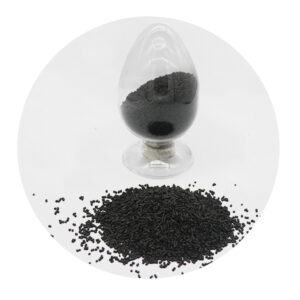
- Smooth surface
Why Choose Our Carbon Molecular Sieve?
As a trusted CMS manufacturer, we provide:
- High nitrogen yield & purity performance
- Excellent mechanical strength
- Long service life (up to 5 years)
- Custom solutions for PSA & VPSA systems
- Global export experience & technical support
Get Expert Support for Your Nitrogen System
Choosing the right carbon molecular sieve can significantly improve your nitrogen generator’s efficiency and reduce operating costs.
Contact us today for:
- Free technical consultation
- CMS model selection
- Customized solutions for your industry