Learn how to maintain your carbon molecular sieve for PSA nitrogen generators. Extend CMS lifespan, improve nitrogen purity, reduce air consumption, and avoid costly downtime.
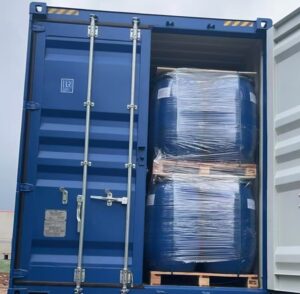
Carbon Molecular Sieve Maintenance and Lifespan Extension Guide
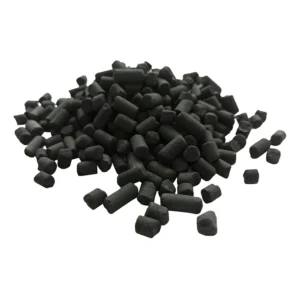
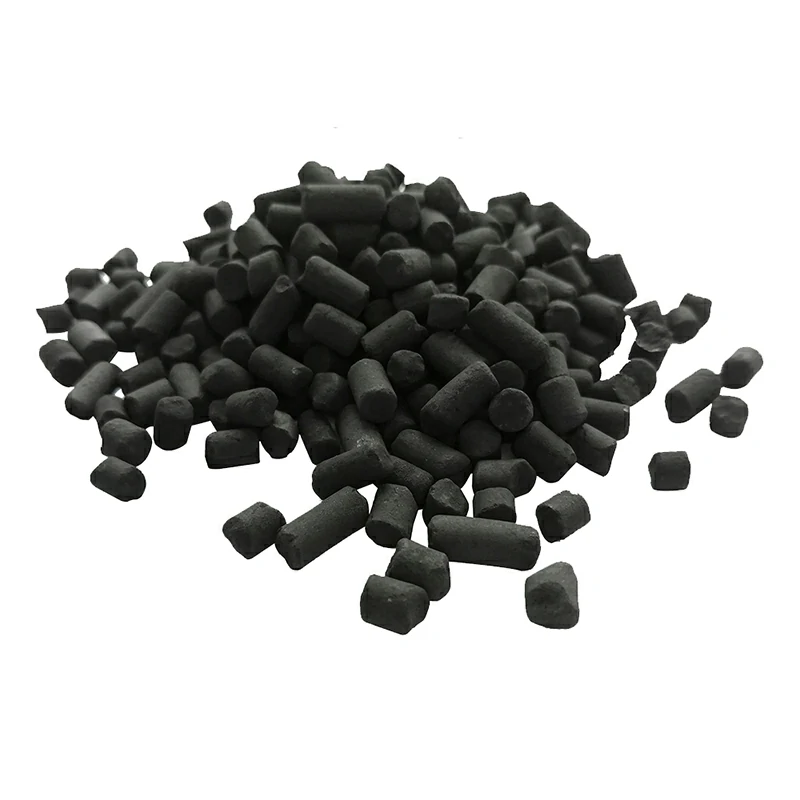
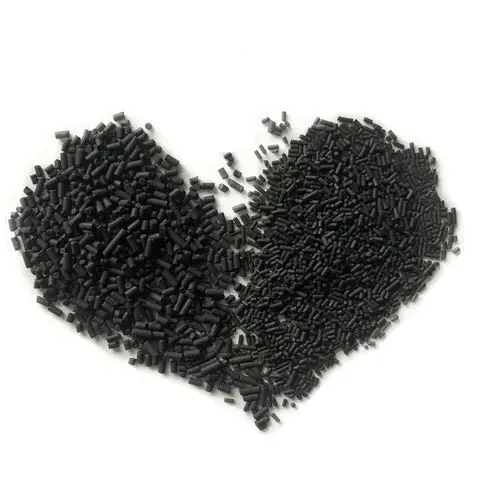
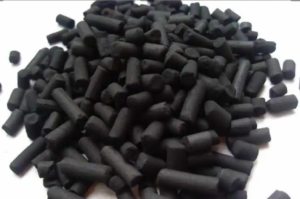
Carbon Molecular Sieve (CMS) is the core material in PSA nitrogen generators, determining nitrogen purity, air consumption, and system efficiency. High-quality CMS from China can provide years of stable operation, but proper maintenance is essential to maximize performance and lifespan.
For industrial users, understanding CMS maintenance can prevent costly downtime, reduce replacement frequency, and ensure consistent nitrogen production.
This guide will cover:
- Key maintenance practices
- Common CMS performance issues
- Tips to extend lifespan
- How to avoid expensive mistakes
Why CMS Maintenance Matters
CMS works by adsorbing oxygen from compressed air, leaving nitrogen as the product. Over time, performance can degrade due to:
- Dust accumulation
- Moisture contamination
- Improper regeneration
- Mechanical stress
- High temperature exposure
Neglecting maintenance can lead to:
- Reduced nitrogen purity
- Increased compressed air consumption
- Frequent CMS replacement
- PSA system damage
Proper CMS care ensures operational stability and cost savings.
Key CMS Maintenance Practices
1. Keep Compressed Air Clean and Dry
Compressed air quality is critical for CMS longevity.
Recommended measures:
- Use high-quality air filters
- Remove oil and water vapor
- Monitor dew point
- Regularly replace pre-filters
Contaminated air can block CMS pores, reduce adsorption capacity, and shorten service life.
2. Control PSA Operating Conditions
CMS performance depends on stable operation:
- Maintain recommended pressure and temperature ranges
- Avoid rapid pressure fluctuations
- Ensure proper regeneration cycles
- Monitor nitrogen purity regularly
Deviating from manufacturer guidelines can accelerate degradation and reduce lifespan.
3. Avoid Overloading the PSA System
Operating beyond design capacity stresses CMS:
- High airflow or excess load can damage pellets
- Increased air-to-nitrogen ratio reduces efficiency
- Mechanical stress may create dust or fractures
Follow manufacturer specifications for nitrogen demand and airflow.
4. Regular Inspection and Replacement of Valves and Filters
CMS relies on stable airflow distribution. Malfunctioning valves or clogged filters can cause:
- Uneven adsorption
- Increased dust generation
- Localized overheating
Inspect valves and filters regularly and replace worn components promptly.
5. Monitor Nitrogen Purity and Air Consumption
Keeping track of key performance indicators helps detect early signs of CMS degradation:
- Nitrogen purity below design specification indicates reduced adsorption capacity
- Rising air consumption signals efficiency loss
- Sudden pressure drop or flow fluctuations may point to pellet breakage
Early detection allows preventive maintenance and avoids system downtime.
Common CMS Problems and How to Avoid Them
1. Dust Generation
Cause:
- Low mechanical strength
- High vibration or improper handling
Solution:
- Choose high-strength CMS pellets
- Handle carefully during installation
- Maintain stable operation cycles
2. Moisture Damage
Cause:
- Poor air drying
- Water entering PSA system
Solution:
- Use high-quality dryers
- Monitor compressed air dew point
- Regularly check for water leaks
3. Reduced Nitrogen Purity
Cause:
- CMS aging or contaminated
- Improper regeneration
- Uneven airflow distribution
Solution:
- Replace or regenerate CMS as recommended
- Maintain pre-filters and valves
- Check system design and flow balance
4. Shortened Lifespan Due to Heat or Pressure Stress
Cause:
- Operating above recommended pressure or temperature
- Rapid cycling or system overload
Solution:
- Follow manufacturer’s operating instructions
- Monitor system conditions
- Adjust regeneration and cycle time accordingly
Tips to Extend CMS Lifespan
- Select high-quality CMS initially – Stable pore structure and high mechanical strength reduce maintenance needs.
- Test air quality regularly – Dry, oil-free air prevents pore blockage.
- Use proper PSA cycle settings – Maintain design pressure, flow, and regeneration schedules.
- Inspect and replace auxiliary components – Valves, filters, and compressors impact CMS performance.
- Document system performance – Track nitrogen purity, air consumption, and any abnormalities to predict CMS replacement.
Benefits of Proper CMS Maintenance
- Stable nitrogen purity for industrial processes
- Lower compressed air consumption
- Extended carbon molecular sieve lifespan
- Reduced replacement and maintenance costs
- Minimized PSA system downtime
In practice, good CMS maintenance can increase service life by 20–30% or more, delivering significant cost savings over the life of the nitrogen generator.
Choosing a CMS Supplier That Supports Maintenance
A professional carbon molecular sieve manufacturer should provide:
- Technical guidance for installation and operation
- Support on maintenance best practices
- Recommendations on pre-filters and air dryers
- Batch testing for consistency and reliability
- Long-term supply assurance
Working with a supplier who understands CMS maintenance ensures optimal performance and avoids costly operational issues.
Conclusion
Carbon Molecular Sieve is the backbone of PSA nitrogen generation systems. Even the highest-quality CMS will degrade if not properly maintained.
International buyers can maximize nitrogen purity, efficiency, and cost savings by:
- Ensuring clean, dry compressed air
- Operating within recommended pressure and temperature
- Maintaining valves, filters, and system components
- Monitoring nitrogen purity and air consumption
- Working with experienced CMS manufacturers
Proper CMS maintenance is an investment in system reliability, operational efficiency, and long-term profitability.