How Long Does Carbon Molecular Sieve Last in PSA Nitrogen Generators?
How long does carbon molecular sieve last? Learn the factors affecting CMS lifespan, how to extend service life, signs of replacement, and how high-quality CMS reduces PSA nitrogen generator costs.
How Long Does Carbon Molecular Sieve Last in PSA Nitrogen Generators?
One of the most common questions from PSA nitrogen generator users is:
“How long does carbon molecular sieve last?”
The lifespan of Carbon Molecular Sieve (CMS) directly affects:
- Nitrogen generator performance
- Maintenance frequency
- Operating cost
- Nitrogen purity stability
- Production efficiency
For industrial users, replacing CMS too frequently can increase downtime and maintenance expenses. At the same time, using expired or low-performance carbon molecular sieve can reduce nitrogen purity and increase compressed air consumption.
In this article, we explain:
- Typical CMS lifespan
- What affects carbon molecular sieve service life
- How to extend CMS lifespan
- Signs that CMS needs replacement
- How to choose long-lasting CMS from China
What Is Carbon Molecular Sieve?
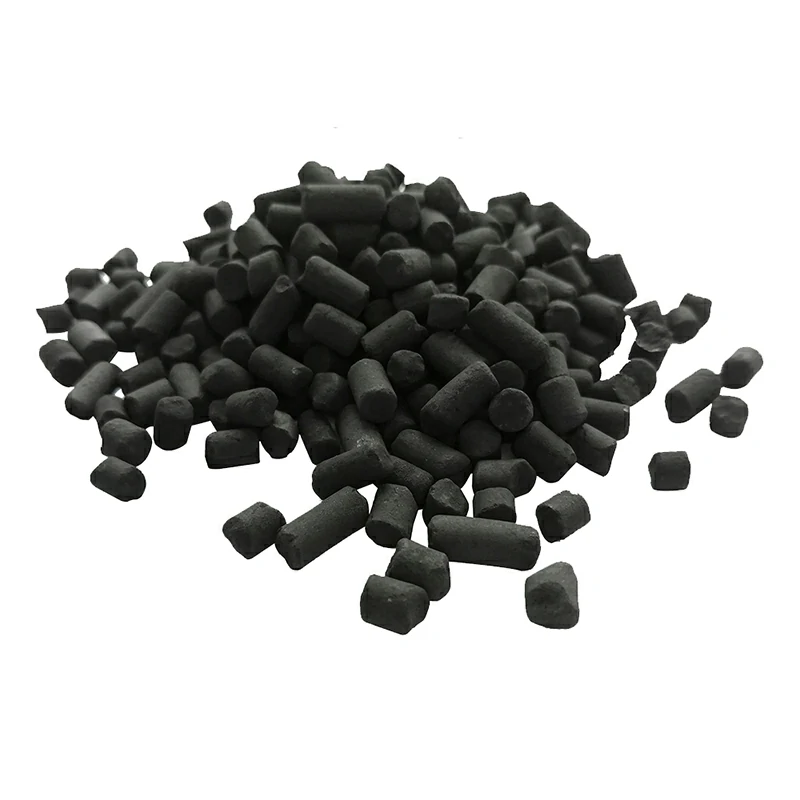
Carbon Molecular Sieve is the core adsorption material inside PSA nitrogen generators.
It separates oxygen and nitrogen from compressed air through selective adsorption.
During operation:
- Oxygen molecules are adsorbed into CMS pores
- Nitrogen passes through as the product gas
The efficiency and stability of the PSA nitrogen system depend heavily on CMS quality and operating conditions.
Typical Lifespan of Carbon Molecular Sieve
Under proper operating conditions, high-quality carbon molecular sieve typically lasts:
3 to 8 years
However, actual lifespan varies depending on:
- CMS quality
- Air treatment quality
- Operating conditions
- Maintenance practices
- PSA system design
Premium CMS products with proper maintenance can sometimes operate effectively for even longer.
Low-quality CMS may lose performance much earlier.
Main Factors Affecting Carbon Molecular Sieve Lifespan
1. CMS Product Quality
The quality of carbon molecular sieve is the biggest factor affecting lifespan.
High-quality CMS usually offers:
- Better pore structure stability
- Higher mechanical strength
- Lower dust generation
- More stable adsorption performance
Low-quality products often suffer from:
- Faster degradation
- Pellet breakage
- Reduced nitrogen purity
- High air consumption
This is why choosing the right carbon molecular sieve manufacturer is extremely important.
2. Compressed Air Quality
Clean and dry compressed air is essential for protecting CMS.
Contaminants such as:
- Oil vapor
- Water moisture
- Dust particles
can damage CMS pore structure and reduce adsorption efficiency.
Poor air treatment can dramatically shorten CMS lifespan.
Professional PSA systems should include:
- Air dryers
- Oil removal filters
- Dust filters
- Moisture control systems
3. Operating Pressure and Temperature
Extreme operating conditions can accelerate CMS aging.
Problems may occur if:
- Pressure fluctuates excessively
- Temperature becomes too high
- PSA cycle timing is unstable
Stable operating conditions help preserve adsorption performance over time.
4. PSA System Design
A well-designed PSA nitrogen generator helps CMS operate efficiently.
Poor system design may cause:
- Uneven airflow distribution
- Excessive pressure drop
- Overloading of CMS beds
- Mechanical stress on pellets
Professional PSA design improves:
- Nitrogen recovery efficiency
- CMS lifespan
- System stability
5. Maintenance Practices
Regular maintenance plays a major role in extending CMS service life.
Important maintenance tasks include:
- Replacing filters regularly
- Monitoring nitrogen purity
- Checking compressor condition
- Inspecting pneumatic valves
- Maintaining proper dew point
Good maintenance reduces contamination and prevents premature CMS failure.
Signs That Carbon Molecular Sieve Needs Replacement
Over time, carbon molecular sieve gradually loses adsorption efficiency.
Common warning signs include:
Reduced Nitrogen Purity
If the nitrogen generator can no longer maintain target purity levels, CMS performance may be declining.
Increased Air Consumption
When CMS becomes less efficient, the PSA system requires more compressed air to produce the same nitrogen output.
This increases:
- Electricity cost
- Compressor load
- Operating expenses
Longer Startup Time
Aging CMS may require longer adsorption cycles before reaching target purity.
This affects production efficiency.
Excessive Dust Generation
Broken CMS pellets create dust inside the PSA system.
Dust may:
- Damage valves
- Block pipelines
- Affect airflow distribution
High dust levels often indicate serious pellet degradation.
Pressure Instability
Degraded CMS can cause:
- Pressure fluctuation
- Unstable nitrogen flow
- PSA cycle imbalance
This may reduce overall system reliability.
How to Extend Carbon Molecular Sieve Lifespan
1. Use High-Quality CMS
The most effective way to extend service life is choosing reliable carbon molecular sieve from the beginning.
Premium CMS generally offers:
- Better adsorption stability
- Stronger pellets
- Lower dust generation
- Longer operational life
2. Keep Air Clean and Dry
Always maintain:
- Proper air filtration
- Stable dew point
- Oil-free compressed air
Moisture and oil contamination are among the biggest causes of premature CMS failure.
3. Avoid PSA System Overloading
Operating beyond designed nitrogen capacity can:
- Increase pressure stress
- Accelerate pellet wear
- Reduce adsorption efficiency
Stable operating conditions help maximize lifespan.
4. Perform Regular Maintenance
Routine inspection helps identify problems early before serious damage occurs.
Monitor:
- Nitrogen purity
- Air consumption
- Pressure stability
- Filter condition
Preventive maintenance significantly improves long-term performance.
Why High-Quality CMS Saves More Money Long-Term
Some buyers focus mainly on low purchase price.
However, low-quality carbon molecular sieve often causes:
- Higher energy consumption
- Frequent replacement
- More downtime
- Increased maintenance cost
In many cases, the hidden operating losses are far greater than the initial savings.
High-quality CMS helps reduce:
- Compressor energy usage
- System maintenance frequency
- Production interruptions
For industrial nitrogen users, long-term operating efficiency matters more than short-term purchasing cost.
Why Many Buyers Source CMS from China
China has become one of the world’s major carbon molecular sieve manufacturing centers because Chinese suppliers can offer:
- Competitive pricing
- Large production capacity
- Flexible OEM service
- Export experience
- Fast delivery
However, buyers should carefully evaluate:
- Product consistency
- Manufacturer experience
- Technical support capability
- Quality control systems
instead of choosing suppliers based only on low price.
Final Thoughts
The lifespan of carbon molecular sieve depends on:
- Product quality
- Operating conditions
- Air treatment quality
- PSA system design
- Maintenance practices
Under proper conditions, high-quality CMS can provide stable operation for many years while reducing:
- Energy consumption
- Maintenance cost
- Nitrogen purity problems
- Production downtime
Choosing the right carbon molecular sieve supplier is one of the most important investments for long-term PSA nitrogen generator performance.